When sourcing lace for fashion collections,bridal gowns,or decorative garments,buyers often find themselves comparing Cord Lace and embroidery lace.Although both are widely used in the apparel industry,their structure,appearance,production process,and end-use performance differ significantly.Understanding these differences is essential for designers,sourcing managers,and brands looking to balance aesthetics,durability,and cost.
Cord lace is known for its raised outlines and sculptural appearance,while Embroidery Lace emphasizes intricate stitched patterns on a fabric base.Choosing between them is not simply a matter of style;it directly affects garment weight,texture,longevity,and manufacturing feasibility.
Cord lace is characterized by the use of cords that outline floral or geometric motifs.These cords are stitched or laid onto a lace base,creating a three-dimensional effect that stands out visually and tactilely.This raised contour gives cord lace a luxurious and structured look,making it particularly attractive for statement garments.High-quality cord Lace fabric often uses polyester,rayon,cotton blends,or metallic threads to achieve both strength and flexibility.
Embroidery lace,by contrast,is created by stitching decorative patterns directly onto a net,mesh,or fabric ground.The design is formed entirely by embroidery threads,without the additional raised cord outlining.This results in a flatter,more delicate surface,often favored for lightweight garments or intricate detailing.While embroidery lace can be visually complex,it usually lacks the bold texture that defines cord lace.
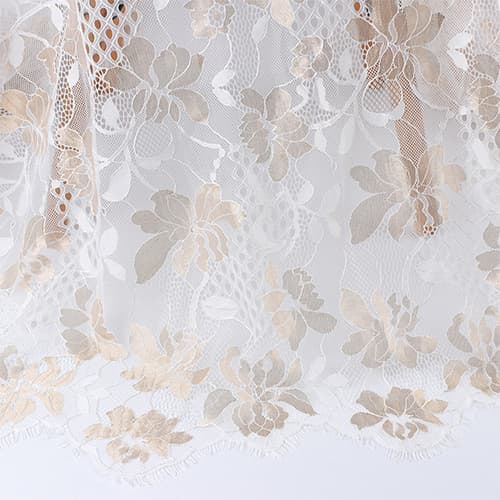
From a manufacturing perspective,cord lace requires more precise control during production.The placement of cords must be accurate to maintain pattern clarity and consistency,especially for large-scale orders.This is why working with an experienced cord lace manufacturer is critical.Skilled manufacturers ensure that cords are firmly attached,evenly spaced,and resistant to fraying during garment construction and wear.
Embroidery lace production,on the other hand,relies heavily on embroidery machines and thread quality.The process is generally faster and may involve fewer material components,which can make embroidery lace more cost-effective for certain applications.However,embroidery lace can be more prone to distortion or thread breakage if the base fabric is not properly stabilized.
In terms of durability,Cord Lace Fabric often outperforms embroidery lace.The raised cords add structural reinforcement to the design,helping the lace maintain its shape over time.This makes cord lace especially suitable for garments that require form retention,such as fitted dresses,bodices,or structured overlays.Embroidery lace,while elegant,may be more delicate and better suited for areas with less stress or movement.
Visual impact is another key difference.Cord lace delivers a bold,dimensional look that photographs well and adds depth to garments,an important factor for fashion brands targeting premium markets.Embroidery lace offers a softer,flatter aesthetic,ideal for romantic or minimalist designs.The choice depends on whether the brand prioritizes dramatic texture or subtle detailing.
Cost considerations also come into play.Cord lace fabric typically has a higher production cost due to the additional materials and labor involved.However,the perceived value is also higher,which can justify the investment for luxury or occasion wear.Embroidery lace may offer more flexibility for mass-market collections where cost efficiency is a priority.
From a sourcing standpoint,buyers should evaluate not only price but also consistency,customization capability,and quality control.A reliable cord lace manufacturer can customize patterns,cord thickness,colors,and base fabrics to align with brand identity.This level of customization is often more limited with standard embroidery lace designs.
Ultimately,the difference between cord lace and embroidery lace lies in structure,texture,durability,and visual presence.Cord lace is ideal for designers seeking depth,luxury,and a strong visual statement,while embroidery lace serves well for delicate,lightweight,and intricate designs.Understanding these distinctions allows buyers to select the most appropriate lace solution for their collections and work more effectively with specialized manufacturers.

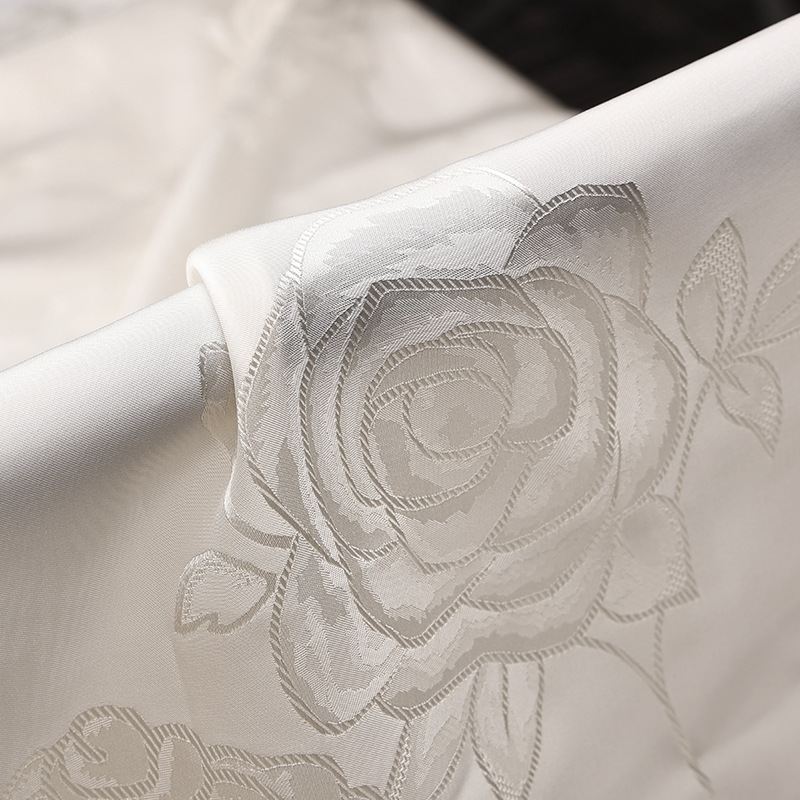
This fabric combines the smoothness and natural sheen of Mulberry Silk with the durability and versatility of Viscose, providing comfort and beauty for a variety of fashion applications.
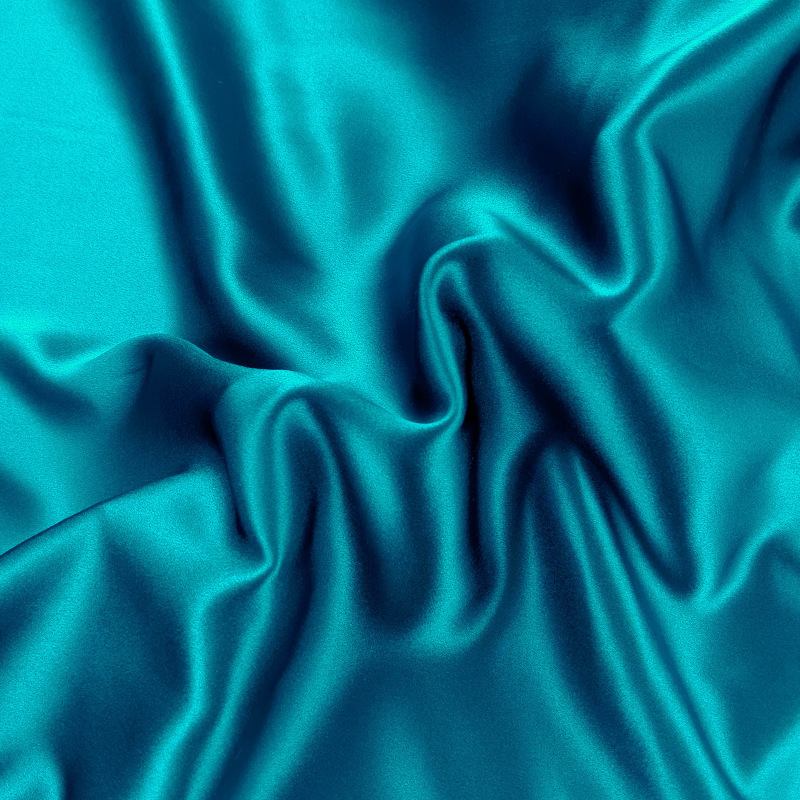
Used for all kinds of high-end silk bedding, such as silk four-piece sets, pillowcases, sheets, quilt covers, as well as silk scarves, summer pajamas, ladies' fashions and formal dresses, etc.
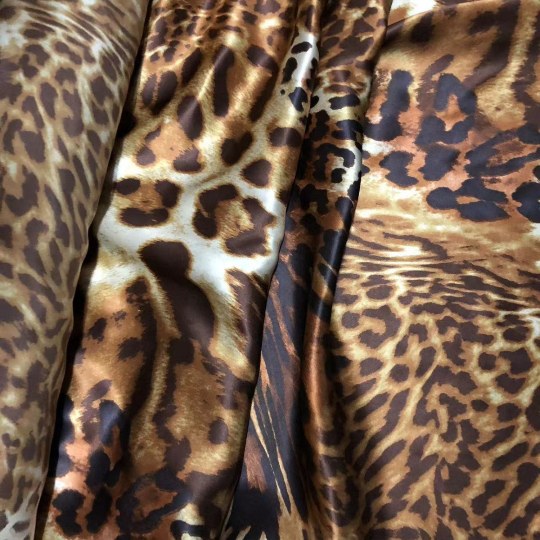
Leopard Jacquard Fabric is a luxurious and versatile textile characterized by its intricate woven patterns and elegant design.
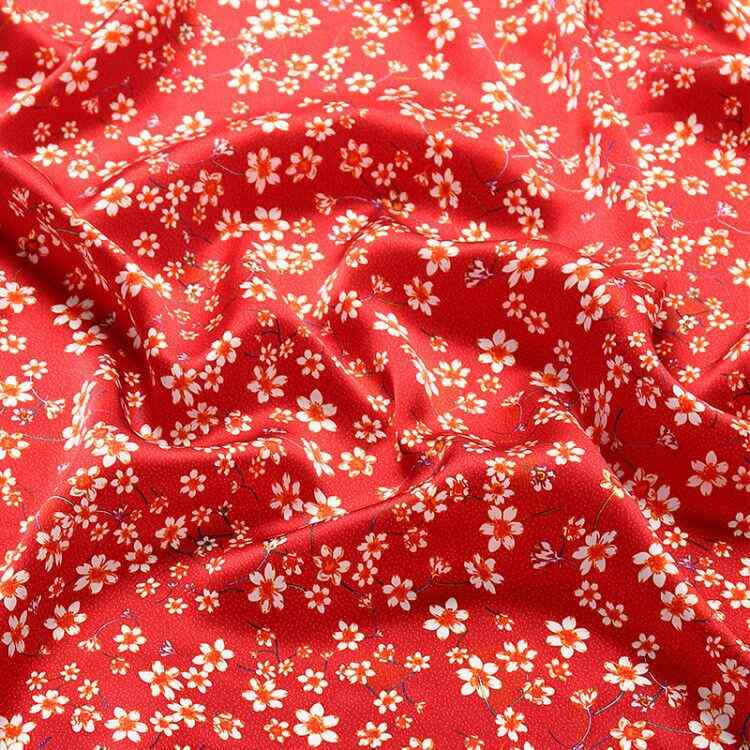
Floral Silk Fabric, crafted from Mulberry silk with a width of 140CM, a thickness of 16mm, and a weight of 68gsm, is ideal for creating elegant dresses, summer and spring outfits, luxurious sleepwear, and refined accessories like scarves and ties.
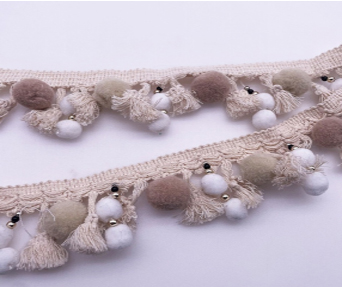
In today’s interior design and textile industry, decorative trims play an essential role in enhancing the visual appeal of products. As a professional wholesale tassel tape manufacturer, we specialize in producing high-quality trims that combine durability with elegant design. Our tassel tapes are widely used in curtains, sofas, cushions, and various home décor applications, making them a versatile choice for designers and wholesalers.
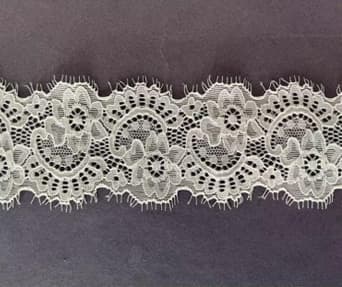
Lace fabrics are a versatile choice in fashion, home décor, and crafts, offering delicate patterns and elegant textures. Among them, cord lace stands out for its distinctive raised design and structural depth. Unlike traditional lace fabrics, which are often flat and lightweight, cord lace incorporates a thicker thread or cord that outlines patterns, creating a three-dimensional effect. This unique characteristic makes cord lace ideal for garments and applications that require both visual appeal and tactile texture.
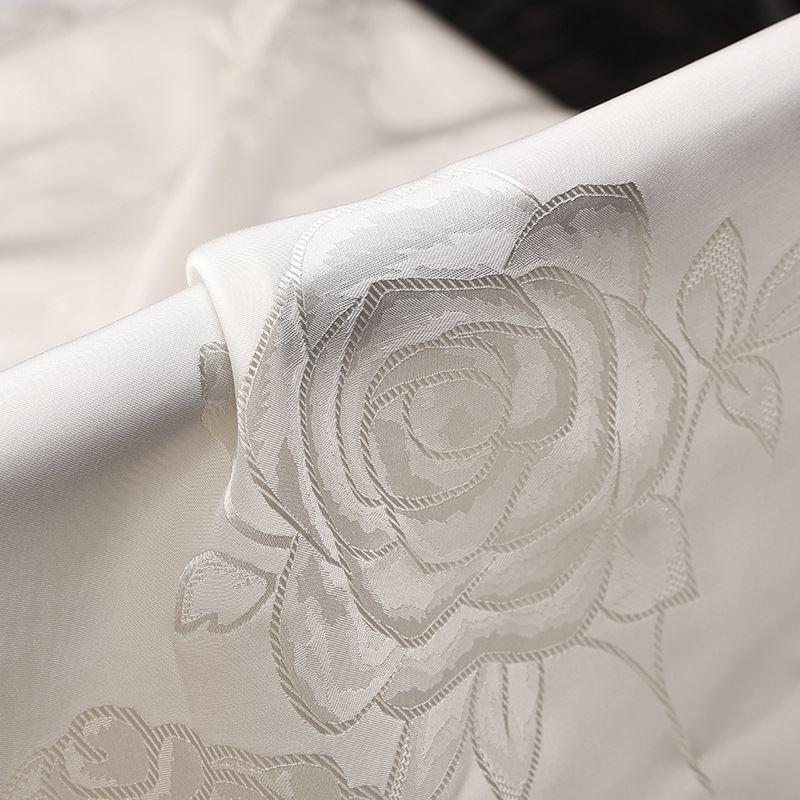
China has become a leading hub for high-quality textile production, and the China jacquard lace fabric industry is no exception. Renowned for its intricate patterns and durable materials, jacquard lace is widely used in fashion, home décor, and wedding apparel. Many designers and retailers seek reliable suppliers to ensure both aesthetic appeal and consistent quality in their products.
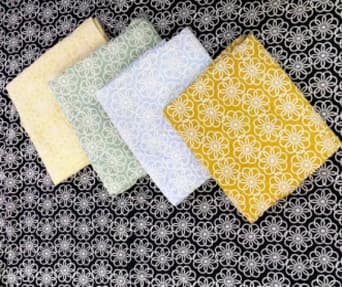
In the competitive textile industry, finding a reliable lace fabric manufacturer is crucial for brands that want to stand out with high-quality and unique designs. A professional manufacturer can offer a wide range of lace materials, patterns, and finishes, ensuring that every piece meets the aesthetic and functional needs of your brand. Whether you are producing elegant dresses, bridal wear, or home décor, partnering with an experienced lace supplier guarantees consistency and craftsmanship.
Whatsapp: +86-137-1297-3009
Contact: Sophie Liao
Mailbox: sophie@chuanchencrafts.com
Add:Room 304, No.11, Jiaoyu Road, ZhangCun, Dongcheng Street, Dongguan City- 523112, China.

Wechat customer service
Copyright © 2026 Dongguan Chuanchen Craft Products Co., Ltd All rights reserved.