When it comes to sewing,crafting,or designing clothing,choosing the right type of elastic can significantly affect both the look and functionality of the finished product.Two common options are the Lace Elastic band and regular elastic.While both serve the primary purpose of providing stretch,they differ in appearance,texture,versatility,and the projects they are best suited for.Understanding these differences can help designers,hobbyists,and small business owners make informed decisions for their creations.
The most obvious difference between Lace Elastic Band and regular elastic lies in their visual appeal.Lace Elastic Band combines the functional stretch of elastic with an intricate lace design,making it ideal for projects where aesthetics matter.It brings a decorative touch that adds elegance and style without requiring additional embellishments.Regular elastic,in contrast,is primarily functional.It provides stretch and support but usually lacks decorative features.For garments or accessories where appearance is important,lace elastic band offers a unique advantage.
Texture is another distinguishing factor.Lace elastic band is soft,delicate,and comfortable against the skin.This makes it particularly suitable for garments such as lingerie,baby clothes,or wristbands,where comfort is essential.Regular elastic can sometimes feel rough or stiff,especially if it is made from lower-quality materials.While both types of elastic can perform the same mechanical function of providing stretch,the tactile experience of lace elastic band often enhances the wearability and appeal of the finished product.
Versatility is also an important consideration.Lace elastic band can be used in a wide range of applications beyond traditional clothing.DIY enthusiasts frequently incorporate it into headbands,belts,scrunchies,home décor,and even crafts such as gift wrapping or decorative trims.Its decorative nature allows it to serve both functional and ornamental purposes simultaneously.Regular elastic is generally limited to providing support and structure.While it works well for waistbands,sleeves,or fitted garments,it usually requires additional decorative materials if one wants to achieve an attractive design.
The width and stretch range of these elastics can also differ.Lace elastic band often comes in narrower widths and provides moderate stretch,making it perfect for delicate garments or detailed projects.Some lace elastic bands are reinforced to increase durability without compromising softness.Regular elastic is available in a wide variety of widths and stretch levels,from thin bands for lightweight fabrics to thick,heavy-duty options for more structured garments.Choosing between the two depends on the specific requirements of your project,such as the type of fabric,intended use,and desired aesthetic.
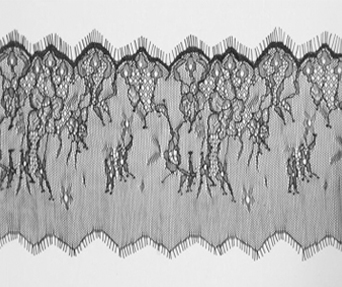
Maintenance and longevity are further points of contrast.Lace elastic band tends to maintain its decorative appearance over multiple washes if handled properly,but it may require gentle care to avoid fraying or tearing.Regular elastic is often more durable for everyday wear and heavy-duty applications but may lack the visual appeal needed for certain designs.For projects where both durability and appearance are important,selecting high-quality lace elastic band ensures a balance between elegance and functionality.
From a DIY perspective,lace elastic band opens up creative possibilities that regular elastic does not.Crafters can experiment with layering,sewing,and combining lace elastic band with other materials to achieve unique effects.This level of versatility is one reason why lace elastic band has become increasingly popular among hobbyists,fashion designers,and small businesses producing handmade clothing or accessories.While regular elastic remains a staple for functional applications,it cannot replace the decorative versatility of lace elastic band.
Cost is another factor to consider.Lace elastic band is typically priced higher than standard elastic due to the added design complexity and material quality.However,the investment is often justified for projects where aesthetics and wearability are critical.Regular elastic provides a cost-effective solution for utilitarian projects but may require additional embellishments to achieve the same level of visual appeal.Evaluating the project requirements and intended use can help determine the most appropriate choice.
In conclusion,while both lace elastic band and regular elastic serve the basic purpose of providing stretch,their differences in appearance,texture,versatility,and maintenance make them suited for different applications.Lace elastic band offers a combination of beauty and function,making it ideal for garments,accessories,and DIY projects where both aesthetics and comfort matter.Regular elastic remains indispensable for purely functional needs,especially in heavier garments or situations where cost and durability are primary concerns.Understanding these distinctions ensures that designers,crafters,and hobbyists select the right material to achieve the best results for their projects.

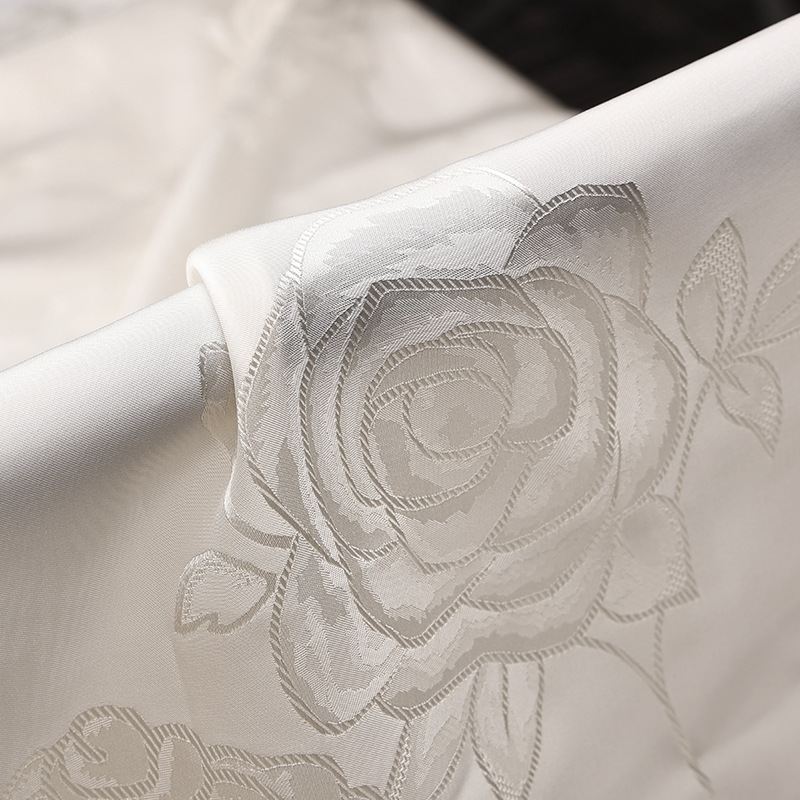
This fabric combines the smoothness and natural sheen of Mulberry Silk with the durability and versatility of Viscose, providing comfort and beauty for a variety of fashion applications.
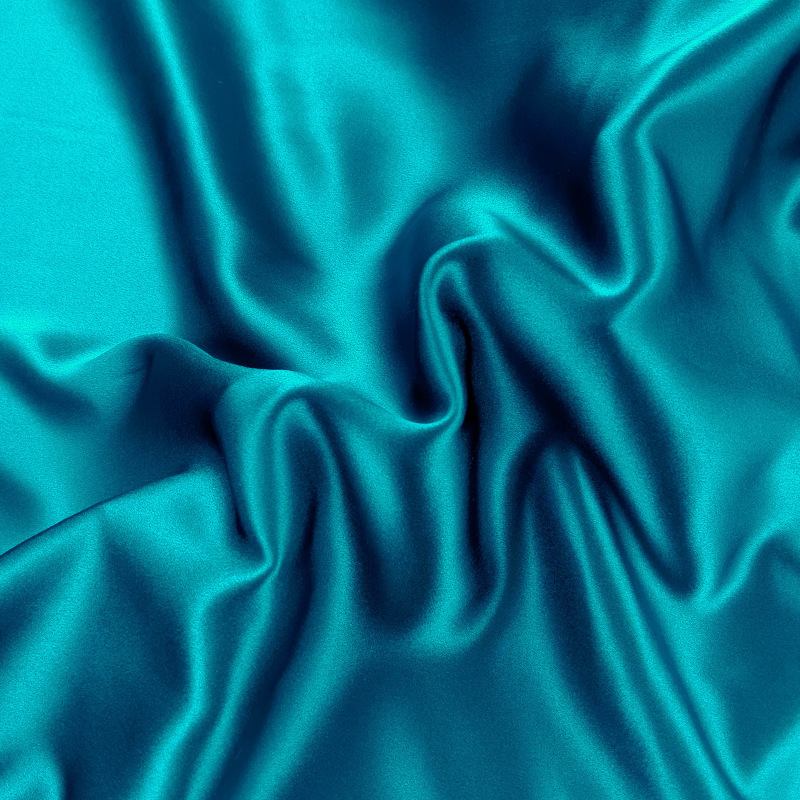
Used for all kinds of high-end silk bedding, such as silk four-piece sets, pillowcases, sheets, quilt covers, as well as silk scarves, summer pajamas, ladies' fashions and formal dresses, etc.
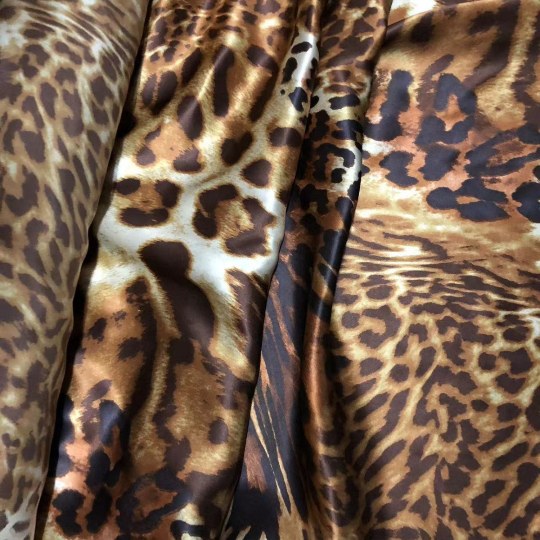
Leopard Jacquard Fabric is a luxurious and versatile textile characterized by its intricate woven patterns and elegant design.
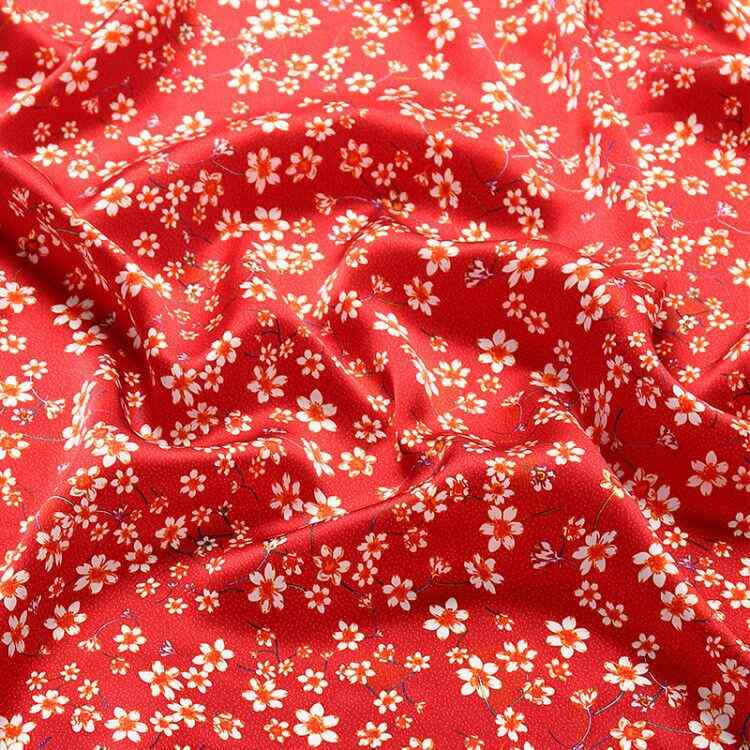
Floral Silk Fabric, crafted from Mulberry silk with a width of 140CM, a thickness of 16mm, and a weight of 68gsm, is ideal for creating elegant dresses, summer and spring outfits, luxurious sleepwear, and refined accessories like scarves and ties.
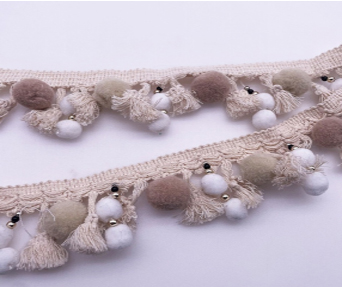
In today’s interior design and textile industry, decorative trims play an essential role in enhancing the visual appeal of products. As a professional wholesale tassel tape manufacturer, we specialize in producing high-quality trims that combine durability with elegant design. Our tassel tapes are widely used in curtains, sofas, cushions, and various home décor applications, making them a versatile choice for designers and wholesalers.
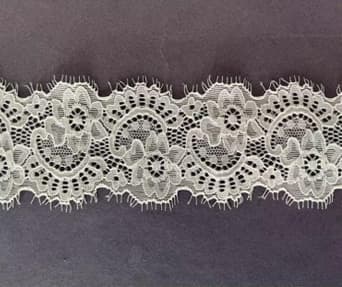
Lace fabrics are a versatile choice in fashion, home décor, and crafts, offering delicate patterns and elegant textures. Among them, cord lace stands out for its distinctive raised design and structural depth. Unlike traditional lace fabrics, which are often flat and lightweight, cord lace incorporates a thicker thread or cord that outlines patterns, creating a three-dimensional effect. This unique characteristic makes cord lace ideal for garments and applications that require both visual appeal and tactile texture.
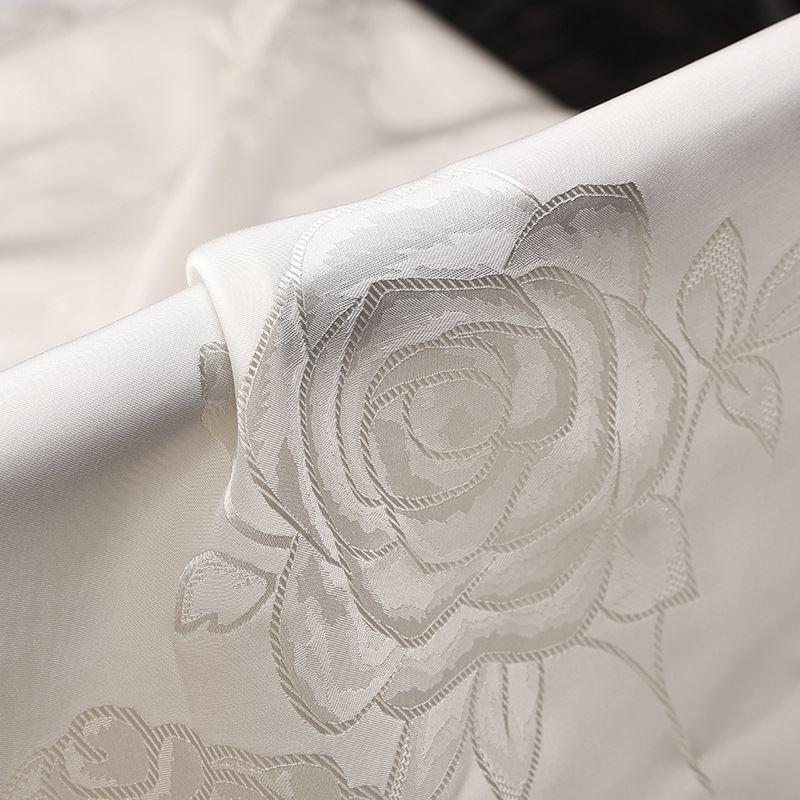
China has become a leading hub for high-quality textile production, and the China jacquard lace fabric industry is no exception. Renowned for its intricate patterns and durable materials, jacquard lace is widely used in fashion, home décor, and wedding apparel. Many designers and retailers seek reliable suppliers to ensure both aesthetic appeal and consistent quality in their products.
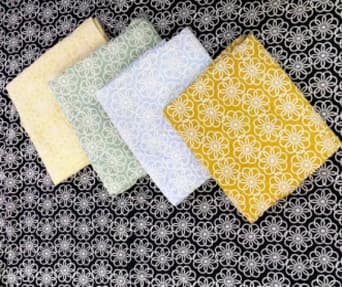
In the competitive textile industry, finding a reliable lace fabric manufacturer is crucial for brands that want to stand out with high-quality and unique designs. A professional manufacturer can offer a wide range of lace materials, patterns, and finishes, ensuring that every piece meets the aesthetic and functional needs of your brand. Whether you are producing elegant dresses, bridal wear, or home décor, partnering with an experienced lace supplier guarantees consistency and craftsmanship.
Whatsapp: +86-137-1297-3009
Contact: Sophie Liao
Mailbox: sophie@chuanchencrafts.com
Add:Room 304, No.11, Jiaoyu Road, ZhangCun, Dongcheng Street, Dongguan City- 523112, China.

Wechat customer service
Copyright © 2026 Dongguan Chuanchen Craft Products Co., Ltd All rights reserved.