When it comes to manufacturing high-quality products,one of the most critical elements that often determines the overall durability,comfort,and appearance is the Main Fabrics used.While many buyers focus on design,color,or features,the choice of main fabrics plays a central role in the product’s performance and consumer satisfaction.Understanding why main fabrics are important for product quality is essential for manufacturers,suppliers,and even end-users.
Firstly,main fabrics directly impact the durability of the product.Whether it’s clothing,bags,or furniture,the type of fabric determines how well the item can withstand wear and tear over time.For instance,cotton or polyester blends used as main fabrics in apparel can affect not only the softness and breathability of the garment but also how it maintains its shape after repeated washes.In industrial applications,main fabrics like nylon or high-density polyester are chosen because they provide superior resistance to abrasion,stretching,and environmental factors,ensuring the product lasts longer.
Another reason main fabrics are crucial for product quality is their effect on comfort and usability.Consumers often judge products based on how they feel and perform during daily use.Soft and breathable main fabrics in clothing allow for comfortable wear,while water-resistant or flexible main fabrics in backpacks and outdoor gear ensure the user experience is enhanced.Poor-quality main fabrics may look appealing initially but can quickly lead to dissatisfaction if they cause discomfort,shrink,or tear easily.
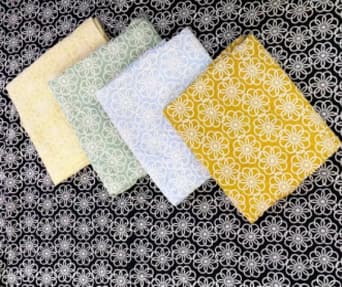
Moreover,main fabrics influence other manufacturing processes such as stitching,printing,or finishing.Some fabrics are more compatible with certain techniques than others.For example,natural fibers like cotton are easier to dye and print on,while synthetic fabrics may require special treatment to achieve the same visual effects.Choosing the right main fabrics for a product can save time and reduce manufacturing defects,which ultimately contributes to higher product quality.
Environmental factors also make the choice of main fabrics important.Products exposed to sunlight,moisture,or extreme temperatures need fabrics that can withstand these conditions without degrading.Selecting durable main fabrics ensures that the product performs well under different circumstances,protecting both the brand reputation and customer satisfaction.
In addition,main fabrics affect the aesthetic appeal of products.The texture,sheen,and drape of the fabric contribute significantly to how a product looks and feels.High-quality fabrics not only enhance the product’s appearance but also create a perception of premium value,which can be a key differentiator in competitive markets.
Finally,sourcing the right main fabrics can improve the overall supply chain efficiency.Reliable Fabric Suppliers provide consistent quality,which helps manufacturers maintain uniformity across production batches.This consistency is essential for large-scale production and ensures that every product meets the same quality standards.
In conclusion,main fabrics are far more than just a component of the product—they are a key determinant of durability,comfort,aesthetics,and overall performance.Manufacturers and buyers must pay careful attention to selecting the right main fabrics for their products.By prioritizing high-quality fabrics,businesses can enhance product reliability,satisfy consumers,and build a strong brand reputation.
For companies looking to improve product quality,investing in the right main fabrics is one of the smartest decisions they can make.Whether you are producing apparel,Home Textiles,or outdoor gear,understanding and choosing the appropriate main fabrics ensures that your products not only look great but also stand the test of time.

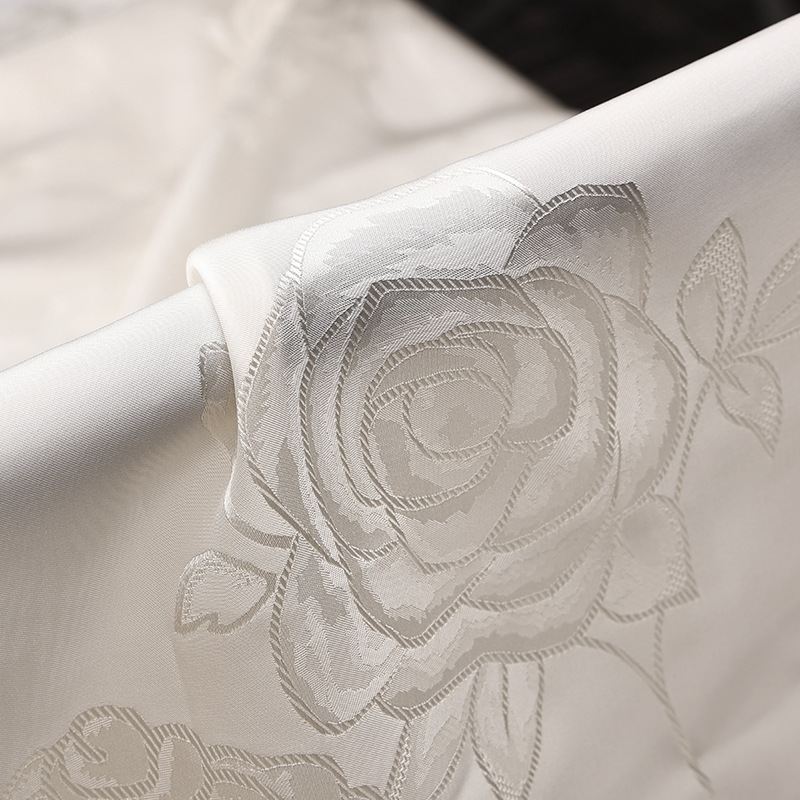
This fabric combines the smoothness and natural sheen of Mulberry Silk with the durability and versatility of Viscose, providing comfort and beauty for a variety of fashion applications.
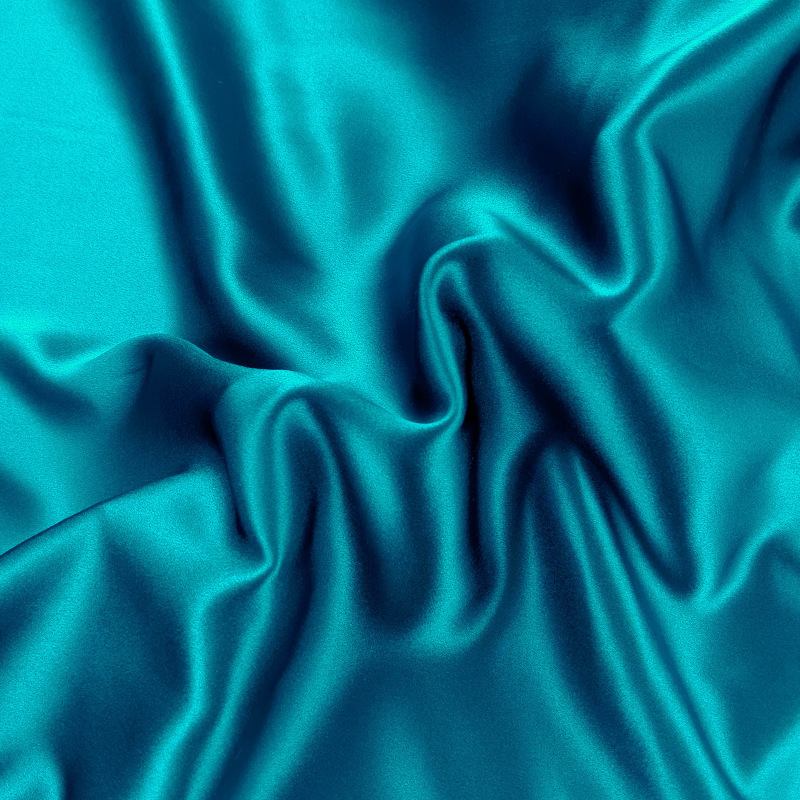
Used for all kinds of high-end silk bedding, such as silk four-piece sets, pillowcases, sheets, quilt covers, as well as silk scarves, summer pajamas, ladies' fashions and formal dresses, etc.
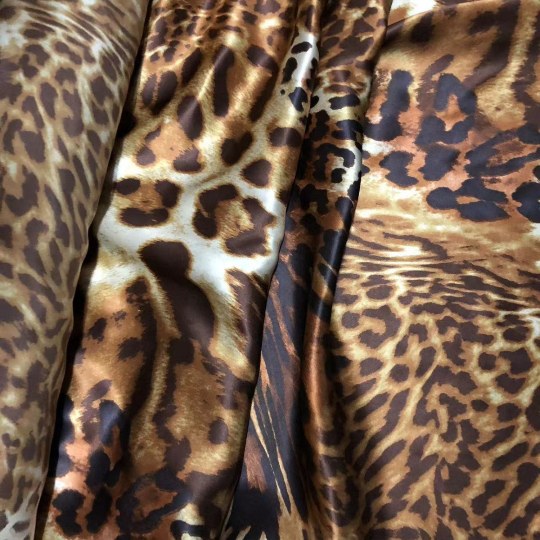
Leopard Jacquard Fabric is a luxurious and versatile textile characterized by its intricate woven patterns and elegant design.
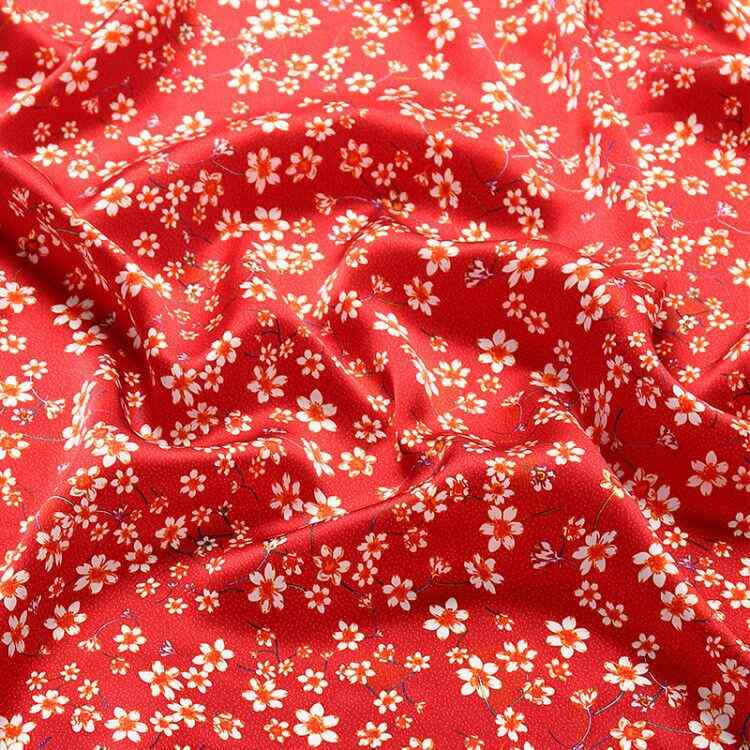
Floral Silk Fabric, crafted from Mulberry silk with a width of 140CM, a thickness of 16mm, and a weight of 68gsm, is ideal for creating elegant dresses, summer and spring outfits, luxurious sleepwear, and refined accessories like scarves and ties.
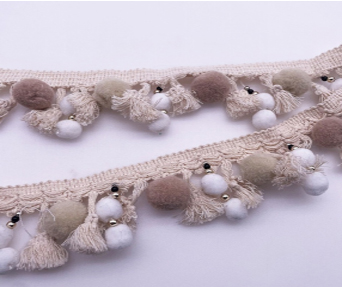
In today’s interior design and textile industry, decorative trims play an essential role in enhancing the visual appeal of products. As a professional wholesale tassel tape manufacturer, we specialize in producing high-quality trims that combine durability with elegant design. Our tassel tapes are widely used in curtains, sofas, cushions, and various home décor applications, making them a versatile choice for designers and wholesalers.
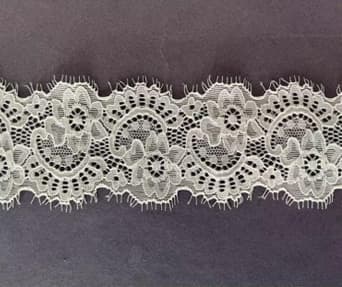
Lace fabrics are a versatile choice in fashion, home décor, and crafts, offering delicate patterns and elegant textures. Among them, cord lace stands out for its distinctive raised design and structural depth. Unlike traditional lace fabrics, which are often flat and lightweight, cord lace incorporates a thicker thread or cord that outlines patterns, creating a three-dimensional effect. This unique characteristic makes cord lace ideal for garments and applications that require both visual appeal and tactile texture.
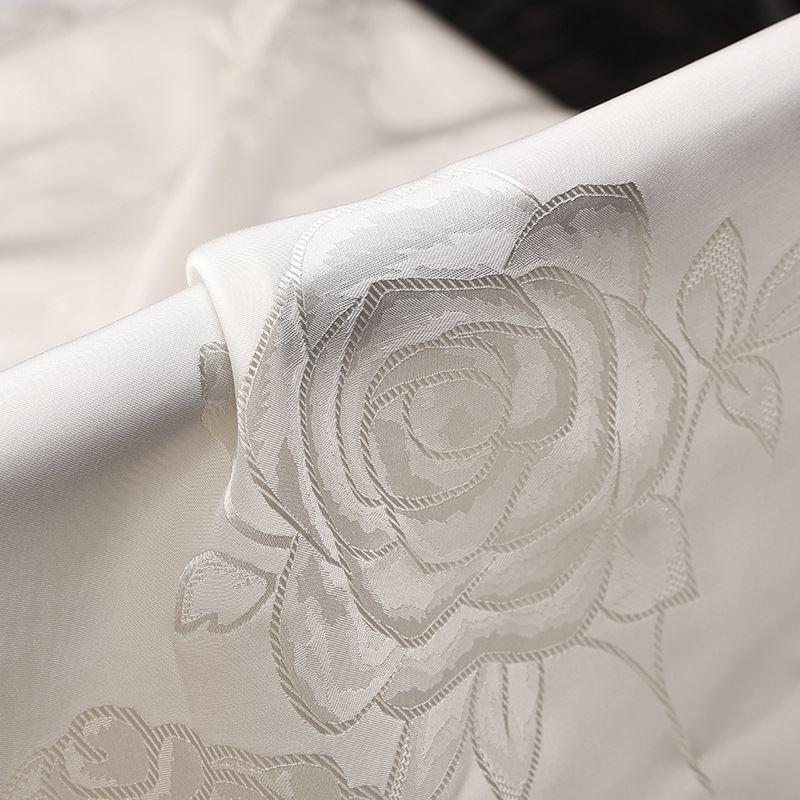
China has become a leading hub for high-quality textile production, and the China jacquard lace fabric industry is no exception. Renowned for its intricate patterns and durable materials, jacquard lace is widely used in fashion, home décor, and wedding apparel. Many designers and retailers seek reliable suppliers to ensure both aesthetic appeal and consistent quality in their products.
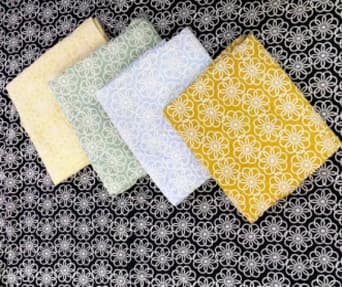
In the competitive textile industry, finding a reliable lace fabric manufacturer is crucial for brands that want to stand out with high-quality and unique designs. A professional manufacturer can offer a wide range of lace materials, patterns, and finishes, ensuring that every piece meets the aesthetic and functional needs of your brand. Whether you are producing elegant dresses, bridal wear, or home décor, partnering with an experienced lace supplier guarantees consistency and craftsmanship.
Whatsapp: +86-137-1297-3009
Contact: Sophie Liao
Mailbox: sophie@chuanchencrafts.com
Add:Room 304, No.11, Jiaoyu Road, ZhangCun, Dongcheng Street, Dongguan City- 523112, China.

Wechat customer service
Copyright © 2026 Dongguan Chuanchen Craft Products Co., Ltd All rights reserved.