If you’ve ever tried sewing Stretch Lace,you probably know the frustration:seams that wave,lace that puckers,or stitches that snap under the slightest stretch.Even experienced sewers sometimes hesitate when facing delicate Lace fabrics,especially when working with Nylon lace,which is common in lingerie,activewear,and high-end garments.The good news is,most of these problems are preventable once you understand the fabric’s behavior and adapt your sewing approach.
I first encountered stretch lace during a small production run of lace-trimmed bras.We used a Nylon lace blend for its durability and smooth feel.On the first prototype,every seam seemed to distort,and the scalloped edges refused to stay flat.It was a wake-up call:sewing stretch lace isn’t about brute force—it’s about technique,patience,and respecting the fabric’s elasticity.
Understanding the Challenge
The main difference between stretch lace and regular lace is its elasticity.Stretch lace contains spandex or elastane,allowing it to stretch in one or both directions.Nylon lace adds another layer of complexity:it’s strong,but lightweight and slippery,which makes it prone to sliding under the presser foot or stretching unintentionally.
Before sewing,it’s crucial to identify which direction stretches the most.In production,we always label the“stretch side”to avoid mistakes later.Knowing this not only informs how you cut the pieces but also affects stitch choice and seam placement.
Choosing the Right Tools
One mistake almost everyone makes initially is using the wrong needle.A regular needle will pierce the lace aggressively,causing skipped stitches or holes.A ballpoint or stretch needle is a game-changer—it slides between fibers instead of puncturing them,preserving the delicate lace structure.For Nylon lace,this is particularly important because the fibers can unravel if damaged.
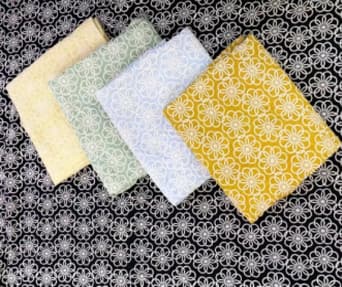
Thread matters just as much.We prefer polyester thread over cotton because it has slight elasticity and higher tensile strength.In our factory,using cotton thread on stretch lace often resulted in seams that broke after just a few washes.For home projects,a high-quality polyester thread works fine,and matching the thread color to the lace keeps stitches subtle.
Prepping Your Lace
Preparation is often overlooked but makes a huge difference.Wash your stretch lace before sewing if the garment will be laundered.Nylon lace can shrink slightly or relax after washing,and skipping this step can distort your final piece.Lay the lace flat to air dry to prevent it from stretching out of shape,and lightly press with a cool iron if needed.
When cutting lace,avoid pulling or stretching it.In our production line,we use rotary cutters for clean edges,especially with intricate lace patterns.A poorly cut edge is almost impossible to fix later without puckering.
Stitch Techniques That Work
Not all stitches are equal for stretch lace.Straight stitches often snap when the fabric stretches.We rely on narrow zigzag or small three-step zigzag stitches,which allow the seam to move with the lace.Overlock machines are ideal for larger production runs,as they trim,stretch,and finish the seam in one go.For home sewers,a zigzag stitch on a regular sewing machine works fine—just test on a scrap first.
Adjusting stitch length and width is key.Too tight or too narrow,and the seam pops;too loose,and the seam looks messy.In our experience,small adjustments based on the lace’s density and elasticity save hours of frustration.
Handling Stretch Lace During Sewing
One of the hardest parts is feeding the lace through the machine without distorting it.Pulling or pushing leads to stretched seams,puckering,and uneven edges.Instead,guide the fabric gently and let the machine feed it naturally.On production machines,we reduce presser foot pressure slightly to prevent accidental stretching.A walking foot is another lifesaver when sewing layered lace or attaching stretch lace to other fabrics.
For very fine lace,placing a strip of washable stabilizer underneath the seam can prevent the fabric from shifting.We often use this trick when working with delicate Nylon lace,especially for lingerie pieces with scalloped edges.
Seams,Edges,and Elastic
Minimal seam allowances work best with stretch lace to avoid bulk.French seams are generally avoided because they restrict elasticity.Zigzag or overlock seams provide the flexibility the fabric needs.
Many garments require adding elastic,such as bra bands or waistband trims.The key is to attach the elastic without overstretching the lace.Slightly stretch the elastic as you sew,allowing the lace to follow naturally.This technique ensures the finished garment fits comfortably and looks polished.
Common Problems and Solutions
Puckering:Usually caused by excess tension,short stitch length,or pulling the fabric.Reduce tension and let the machine feed the lace naturally.
Skipped stitches:Often due to a dull or wrong needle.Switch to a fresh stretch needle.
Seams popping:Stitch too narrow or too tight.Increase stitch width or use a stretch stitch.
Testing on scraps is a non-negotiable step,especially with different blends of Nylon lace.Each batch can behave slightly differently,so a few minutes of testing can save hours of repair.
Applications and Why It Matters
Stretch lace is everywhere—from lingerie and underwear to decorative trims in dresses and activewear.Nylon lace is particularly favored in export-quality garments because it balances beauty,elasticity,and durability.For manufacturers and small-scale producers,understanding how to handle stretch lace improves product quality,reduces returns,and elevates brand reputation.
When sewing stretch lace correctly,the garment not only looks professional but also retains its shape and elasticity over time—a crucial factor for customer satisfaction.
Closing Thoughts
Sewing stretch lace is as much an art as a skill.With the right tools,careful preparation,and attention to how the fabric behaves,even delicate Nylon lace can be transformed into professional-quality garments.The key is patience,testing,and respecting the fabric’s elasticity.Once mastered,working with stretch lace opens up a world of design possibilities—from elegant lingerie to innovative fashion pieces—while keeping both home sewers and production teams confident in their results.

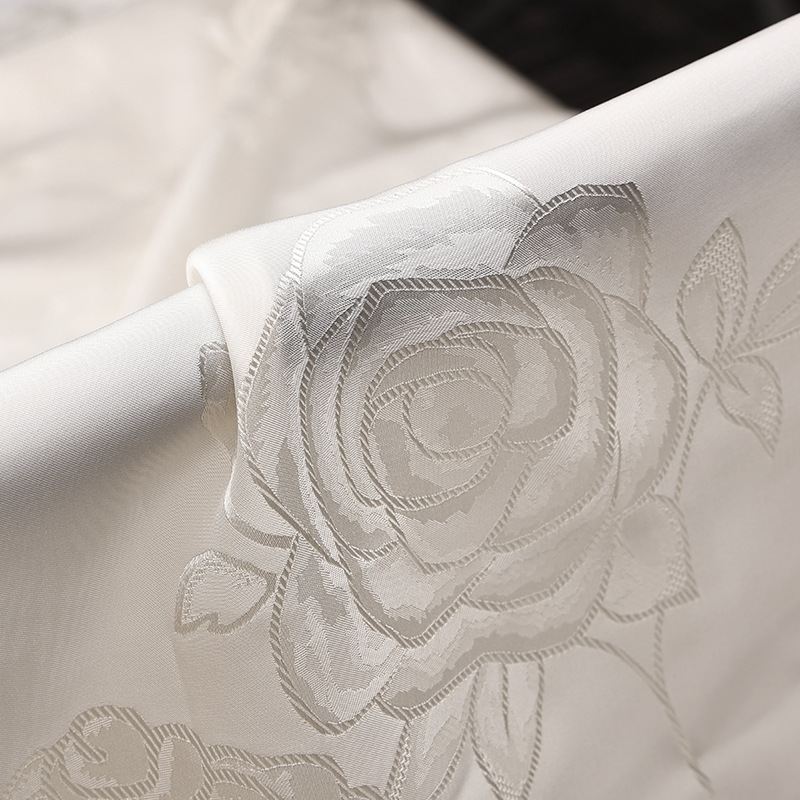
This fabric combines the smoothness and natural sheen of Mulberry Silk with the durability and versatility of Viscose, providing comfort and beauty for a variety of fashion applications.

Used for all kinds of high-end silk bedding, such as silk four-piece sets, pillowcases, sheets, quilt covers, as well as silk scarves, summer pajamas, ladies' fashions and formal dresses, etc.
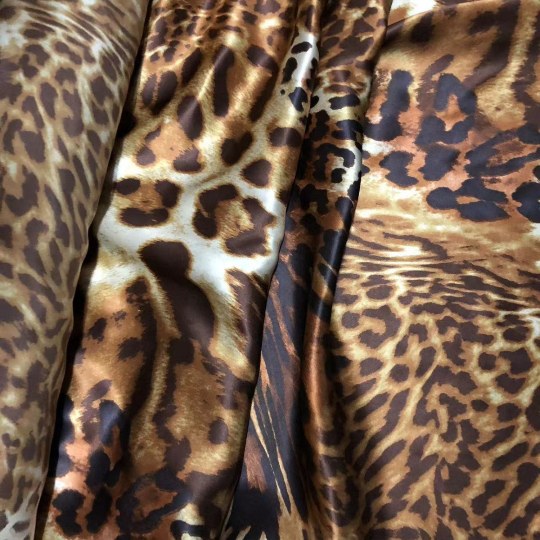
Leopard Jacquard Fabric is a luxurious and versatile textile characterized by its intricate woven patterns and elegant design.
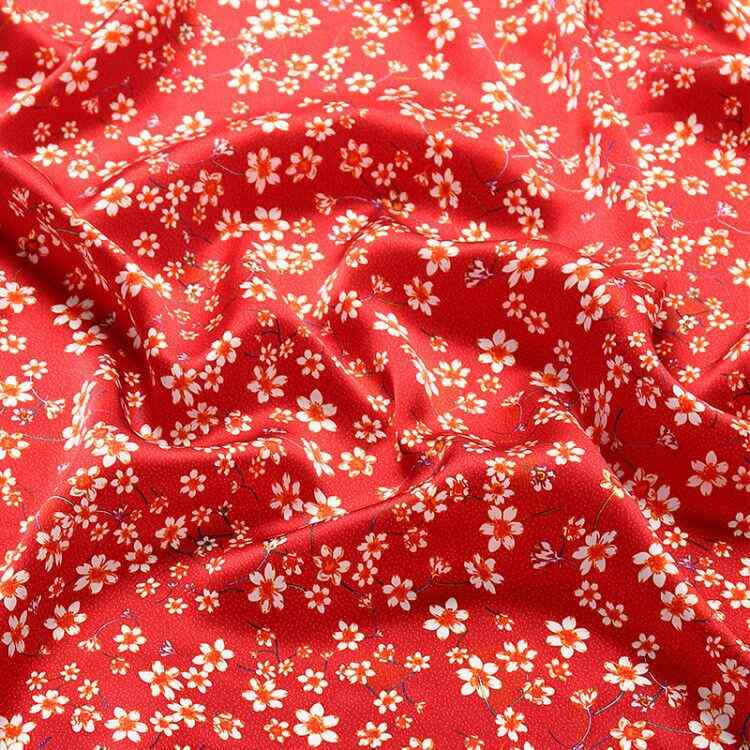
Floral Silk Fabric, crafted from Mulberry silk with a width of 140CM, a thickness of 16mm, and a weight of 68gsm, is ideal for creating elegant dresses, summer and spring outfits, luxurious sleepwear, and refined accessories like scarves and ties.
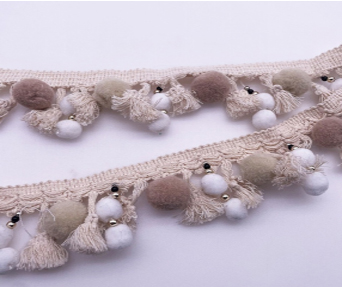
In today’s interior design and textile industry, decorative trims play an essential role in enhancing the visual appeal of products. As a professional wholesale tassel tape manufacturer, we specialize in producing high-quality trims that combine durability with elegant design. Our tassel tapes are widely used in curtains, sofas, cushions, and various home décor applications, making them a versatile choice for designers and wholesalers.
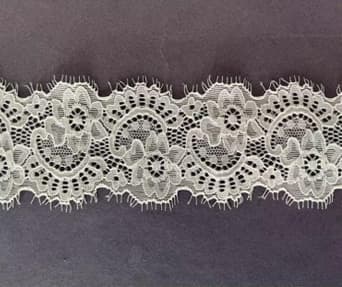
Lace fabrics are a versatile choice in fashion, home décor, and crafts, offering delicate patterns and elegant textures. Among them, cord lace stands out for its distinctive raised design and structural depth. Unlike traditional lace fabrics, which are often flat and lightweight, cord lace incorporates a thicker thread or cord that outlines patterns, creating a three-dimensional effect. This unique characteristic makes cord lace ideal for garments and applications that require both visual appeal and tactile texture.
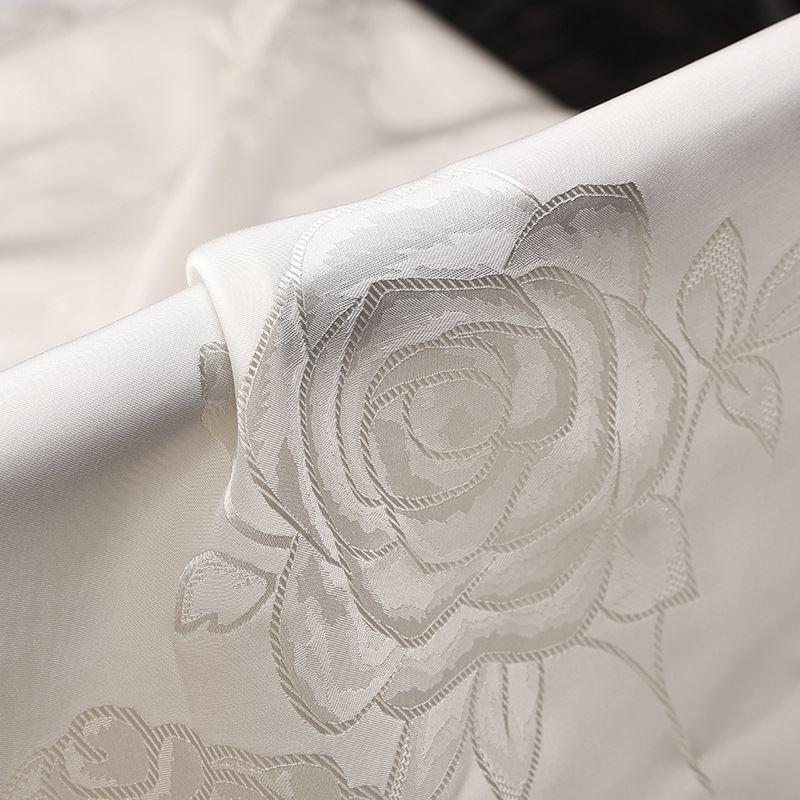
China has become a leading hub for high-quality textile production, and the China jacquard lace fabric industry is no exception. Renowned for its intricate patterns and durable materials, jacquard lace is widely used in fashion, home décor, and wedding apparel. Many designers and retailers seek reliable suppliers to ensure both aesthetic appeal and consistent quality in their products.
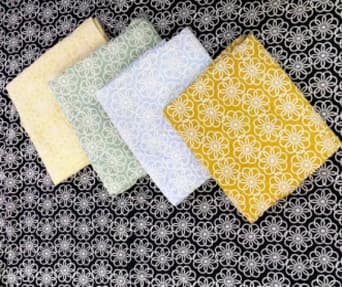
In the competitive textile industry, finding a reliable lace fabric manufacturer is crucial for brands that want to stand out with high-quality and unique designs. A professional manufacturer can offer a wide range of lace materials, patterns, and finishes, ensuring that every piece meets the aesthetic and functional needs of your brand. Whether you are producing elegant dresses, bridal wear, or home décor, partnering with an experienced lace supplier guarantees consistency and craftsmanship.
Whatsapp: +86-137-1297-3009
Contact: Sophie Liao
Mailbox: sophie@chuanchencrafts.com
Add:Room 304, No.11, Jiaoyu Road, ZhangCun, Dongcheng Street, Dongguan City- 523112, China.

Wechat customer service
Copyright © 2026 Dongguan Chuanchen Craft Products Co., Ltd All rights reserved.