Braid Tape is a woven protective and functional material used for bundling, shielding, and protecting cables and wire harnesses in various industries. Its main benefits include flexibility, durability, heat resistance, and vibration protection. It is widely used in automotive, electronics, and industrial applications to improve wiring safety and extend service life.
Braid tape is made from tightly woven fibers or composite materials designed to wrap around cables and wire harnesses. Unlike traditional plastic insulation tape, it has a flexible braided structure that allows it to expand and adapt to different shapes and cable sizes.
This structure makes braid tape especially useful in environments where wires are exposed to movement, friction, or high temperatures. It is commonly found in automotive systems, industrial machinery, and electronic equipment.
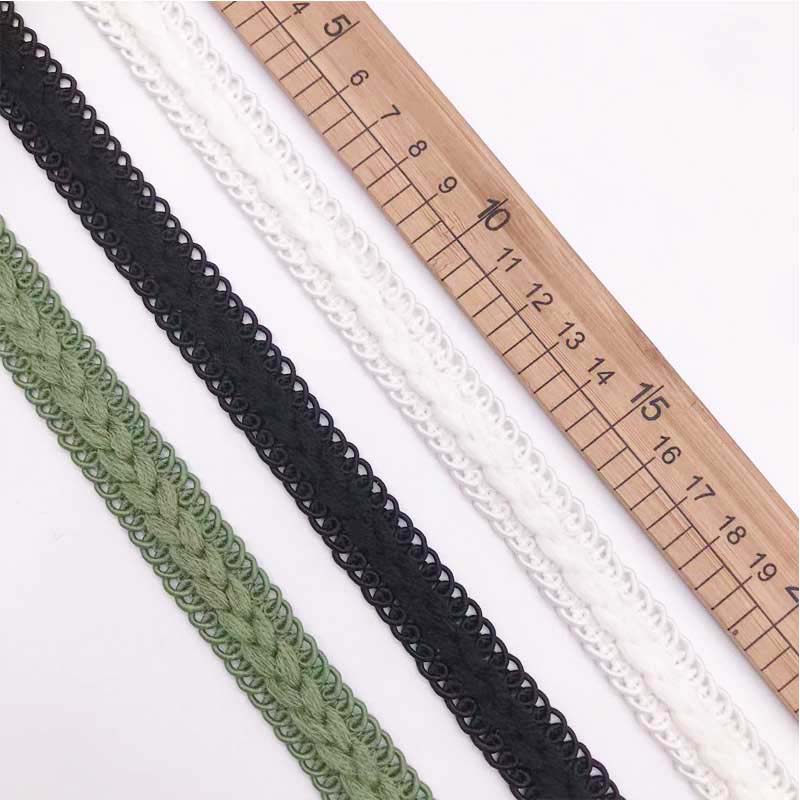
The primary function of braid tape is to protect and organize wiring systems. It helps prevent cables from tangling, reduces mechanical stress, and improves overall system reliability.
Braid tape keeps multiple wires neatly grouped together, making installation cleaner and easier to manage, especially in complex wiring systems.
It provides a protective layer that reduces abrasion caused by vibration, movement, or contact with other components.
Depending on the material used, braid tape can withstand heat, moisture, and industrial conditions, making it suitable for demanding environments.
The woven structure allows braid tape to flex and adapt to different cable shapes without losing its protective performance.
Braid tape extends the lifespan of wiring systems by reducing wear and protecting cables from external damage.
It adds minimal weight, which is important for automotive and aerospace applications where weight reduction is critical.
By securing and protecting cables, braid tape reduces the risk of short circuits and improves electrical system stability.
Braid tape is widely used across multiple industries. In automotive systems, it is used to protect wire harnesses in engine compartments and interior wiring. In electronics, it helps manage cable assemblies in devices and control systems. In industrial equipment, it ensures safe operation under vibration and high-temperature conditions.
Related materials such as braided elastic tape are used where additional stretchability is required, while braided linen tape is often applied in specialty or heat-resistant textile applications. Decorative variants like braid cord fringe ribbon tape are used in design-oriented or light-duty textile industries, showing the versatility of braided structures.
Compared to standard insulation tape, braid tape offers better airflow, flexibility, and long-term durability. It does not easily crack or degrade under heat and movement, making it more reliable for industrial and automotive environments.
Braid tape is a highly effective solution for protecting and organizing wiring systems across multiple industries. Its combination of flexibility, durability, and protective performance makes it an essential material in modern electrical and mechanical applications. As technology continues to advance, the demand for reliable cable management solutions like braid tape will continue to grow.

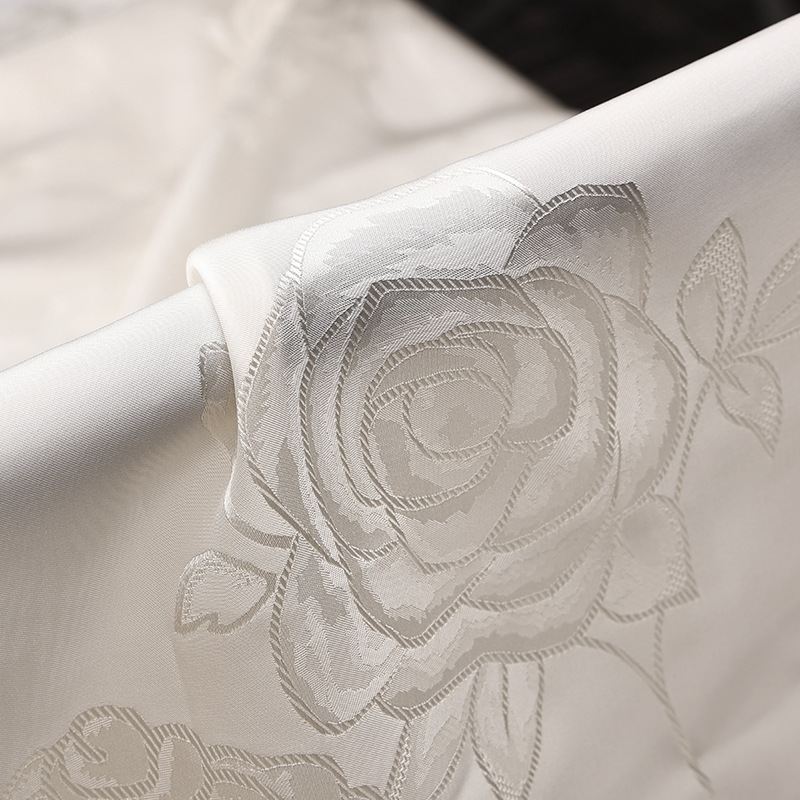
This fabric combines the smoothness and natural sheen of Mulberry Silk with the durability and versatility of Viscose, providing comfort and beauty for a variety of fashion applications.
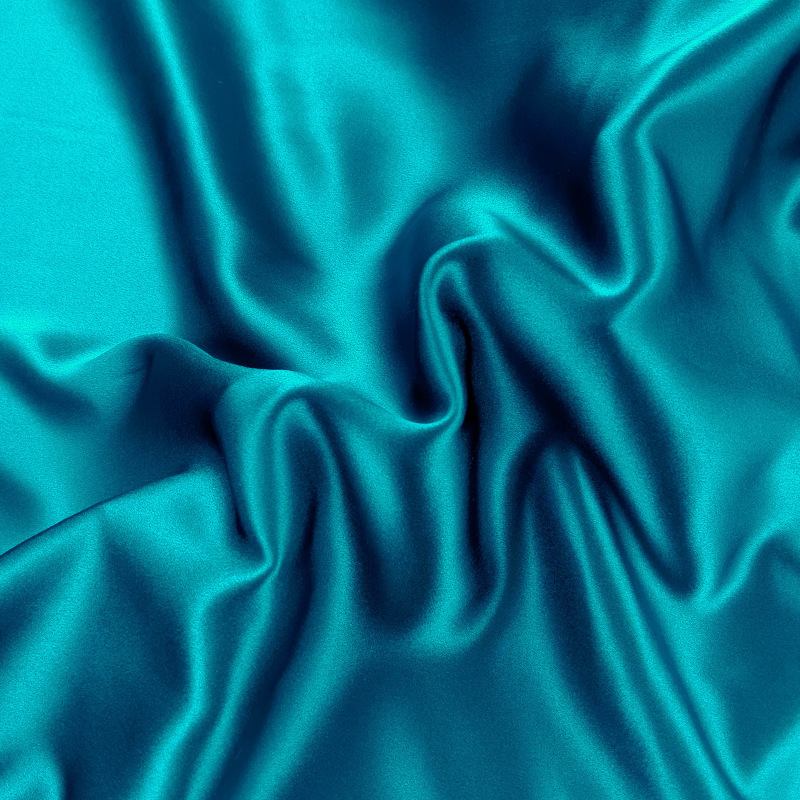
Used for all kinds of high-end silk bedding, such as silk four-piece sets, pillowcases, sheets, quilt covers, as well as silk scarves, summer pajamas, ladies' fashions and formal dresses, etc.
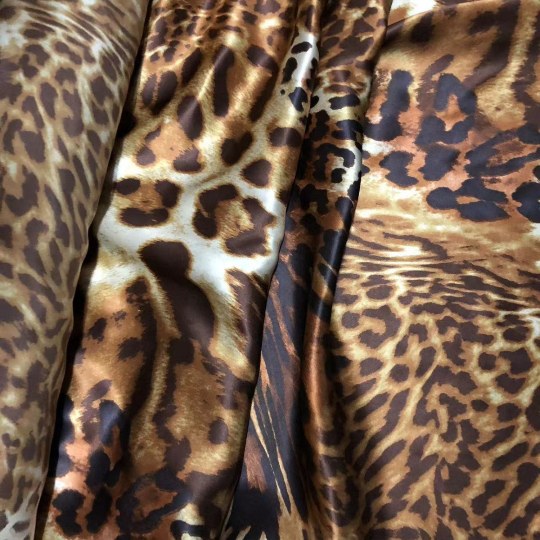
Leopard Jacquard Fabric is a luxurious and versatile textile characterized by its intricate woven patterns and elegant design.
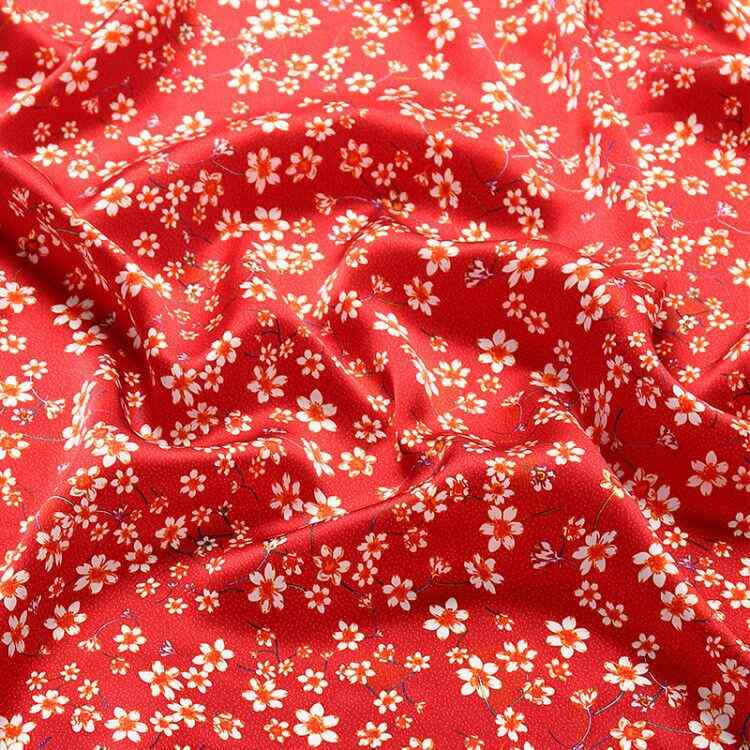
Floral Silk Fabric, crafted from Mulberry silk with a width of 140CM, a thickness of 16mm, and a weight of 68gsm, is ideal for creating elegant dresses, summer and spring outfits, luxurious sleepwear, and refined accessories like scarves and ties.
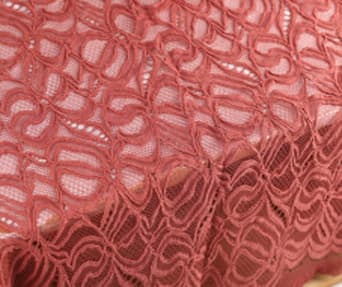
The best way to care for and wash Lace Fabric is to clean it gently using cold or lukewarm water and a mild detergent. Hand washing is recommended for delicate lace, while machine washing should only be done on a gentle cycle with the fabric placed inside
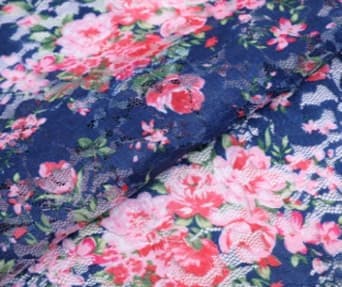
Lace Fabric can be made from a variety of materials, including cotton, polyester, nylon, rayon, silk, and spandex. Each material offers different characteristics such as softnes
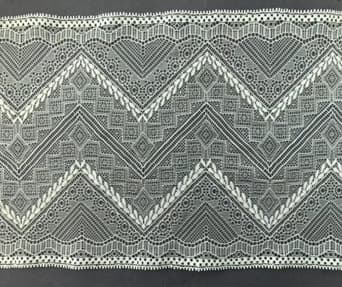
Corded lace is one of the most elegant and structurally rich types of lace used in fashion and textile design. It is widely applied in bridal gowns, evening dresses, lingerie, and decorative fabrics due to its raised outlines and three-dimensional texture. Unlike flat lace, corded lace is created by adding extra yarns or cords to emphasize floral or geometric patterns, making it more luxurious and visually striking.
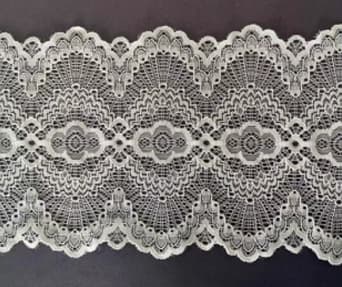
Corded lace is suitable for wedding dresses, evening gowns, blouses, skirts, lingerie, jackets, children's wear, and fashion accessories. Its raised embroidered patterns create a textured and elegant look that enhances both luxury and casual garments. Whether used as white lace or black corded lace fabric, it remains a versatile material widely used in modern fashion design.
Whatsapp: +86-137-1297-3009
Contact: Sophie Liao
Mailbox: sophie@chuanchencrafts.com
Add:Room 304, No.11, Jiaoyu Road, ZhangCun, Dongcheng Street, Dongguan City- 523112, China.

Wechat customer service
Copyright © 2026 Dongguan Chuanchen Craft Products Co., Ltd All rights reserved.