The best lace fabric for dresses depends on the design, occasion, comfort requirements, and the desired visual effect. For elegant bridal gowns and formal evening dresses, embroidered lace fabric is often considered the best choice because of its luxurious texture and intricate patterns. If flexibility and comfort are equally important, Stretch Lace fabric is an excellent option that offers both beauty and freedom of movement. By understanding the unique characteristics of each type of lace, you can choose the perfect fabric to create dresses that are stylish, comfortable, and long-lasting.
Lace has remained one of the most elegant and versatile textiles in the fashion industry for hundreds of years. Whether used as the main material or as decorative accents, lace fabric instantly adds sophistication and femininity to any dress. Designers around the world continue to incorporate lace into bridal collections, evening gowns, cocktail dresses, summer dresses, and even everyday fashion because of its delicate appearance and endless design possibilities.
Today, modern manufacturing techniques have expanded the variety of lace fabrics available on the market. Different fibers, embroidery methods, and weaving technologies allow designers to select lace that perfectly matches the style, silhouette, and purpose of each garment. As a result, choosing the right lace fabric has become an essential part of creating high-quality dresses.
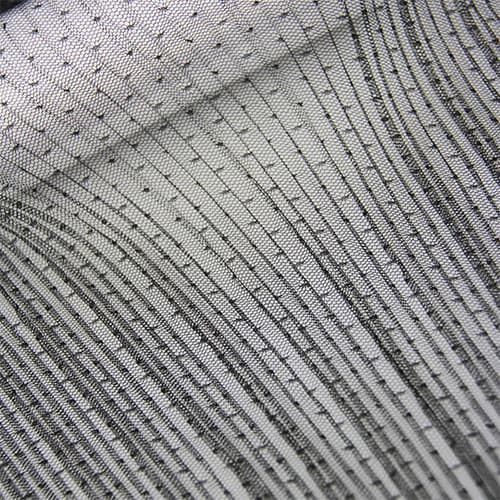
Not every type of lace performs the same way. Some lace fabrics are lightweight and delicate, while others are thicker and more structured. Understanding the differences will help you select the most suitable material for your project.
Embroidered lace fabric is one of the most popular choices for premium dresses. It is produced by stitching decorative floral or geometric embroidery onto a mesh or tulle base, creating a three-dimensional appearance that looks elegant and luxurious.
This type of lace is commonly used for wedding gowns, evening dresses, formal party dresses, and luxury fashion collections. The raised embroidery catches light beautifully, making garments appear more refined and expensive. Designers often choose embroidered lace when they want to create eye-catching details without relying on additional embellishments.
Another advantage of embroidered lace is its versatility. It can be layered over satin, chiffon, silk, or other lining fabrics to create completely different visual effects while maintaining an elegant finish.
stretch lace fabric combines the beauty of traditional lace with elastic fibers such as spandex or elastane. This allows the fabric to stretch naturally and comfortably with body movement, making it ideal for modern dress designs.
Stretch lace is widely used for fitted dresses, cocktail dresses, bodycon styles, dance costumes, maternity clothing, and fashionable everyday wear. Unlike rigid lace, stretch lace provides greater comfort during long hours of wear while maintaining a flattering silhouette.
Because of its flexibility, stretch lace is also easier to fit across different body shapes, making it a preferred option for designers who prioritize both style and functionality.
Cotton lace is valued for its softness, breathability, and natural feel. It is especially suitable for summer dresses, children's clothing, resort wear, and casual fashion. Compared with synthetic lace, cotton lace offers excellent comfort in warm weather and creates a fresh, relaxed appearance.
Many designers choose cotton lace for vintage-inspired collections because of its natural texture and timeless charm.
Chantilly lace is famous for its lightweight construction, delicate floral motifs, and fine mesh background. It has become one of the most recognized materials for bridal gowns and luxury evening dresses thanks to its elegant appearance.
Guipure lace, on the other hand, is created without a mesh backing, producing bold, open patterns with a more structured look. It is often used for statement sleeves, decorative overlays, and fashionable cocktail dresses where texture plays an important role.
Selecting the right lace fabric involves balancing aesthetics, comfort, durability, and practicality. The following factors should always be considered before making a decision.
The purpose of the dress has a significant influence on fabric selection. Formal occasions such as weddings, galas, and evening events often require luxurious embroidered lace with detailed patterns. Casual dresses, however, may benefit from lightweight lace that offers greater comfort and breathability.
Lightweight lace creates flowing silhouettes and soft movement, making it ideal for romantic or summer dresses. Heavier lace provides more structure, making it suitable for fitted gowns or dresses that require additional support.
Large floral embroidery creates dramatic visual impact, while smaller motifs offer a subtle and elegant appearance. The lace pattern should complement the overall style of the dress instead of competing with it.
Comfort is just as important as appearance. Dresses designed for long events or active movement should use fabrics that feel soft against the skin. Stretch lace fabric provides greater flexibility and reduces restriction, making it one of the most comfortable lace options available.
High-quality lace features clean embroidery, consistent patterns, durable fibers, and smooth finishing. Premium lace is easier to cut and sew, maintains its shape after washing, and provides better long-term performance. Investing in quality materials also enhances the overall value of the finished garment.
Proper maintenance helps preserve both the appearance and lifespan of lace garments. Most lace dresses should be hand washed with mild detergent and cool water to protect delicate fibers. If machine washing is necessary, placing the garment inside a mesh laundry bag and selecting a gentle cycle can reduce damage.
Avoid twisting or wringing lace after washing. Instead, gently press out excess water with a clean towel and lay the garment flat to dry. Storing lace dresses in breathable garment bags and away from direct sunlight also helps maintain their color and intricate patterns over time.
Choosing the best lace fabric for dresses depends on the style, function, and level of elegance you want to achieve. Embroidered lace fabric is the perfect option for luxurious bridal gowns and formal evening dresses because of its detailed craftsmanship and sophisticated appearance. Meanwhile, stretch lace fabric offers outstanding comfort and flexibility, making it ideal for fitted and modern dress designs. By understanding the strengths of each lace type and selecting high-quality materials, designers, manufacturers, and fashion brands can create dresses that combine beauty, comfort, durability, and timeless appeal.

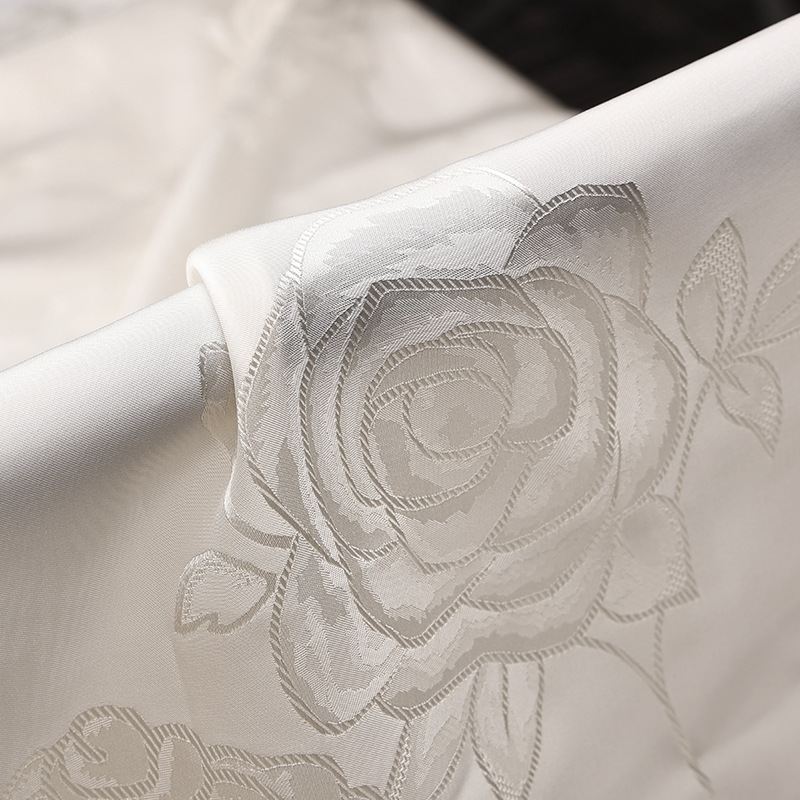
This fabric combines the smoothness and natural sheen of Mulberry Silk with the durability and versatility of Viscose, providing comfort and beauty for a variety of fashion applications.
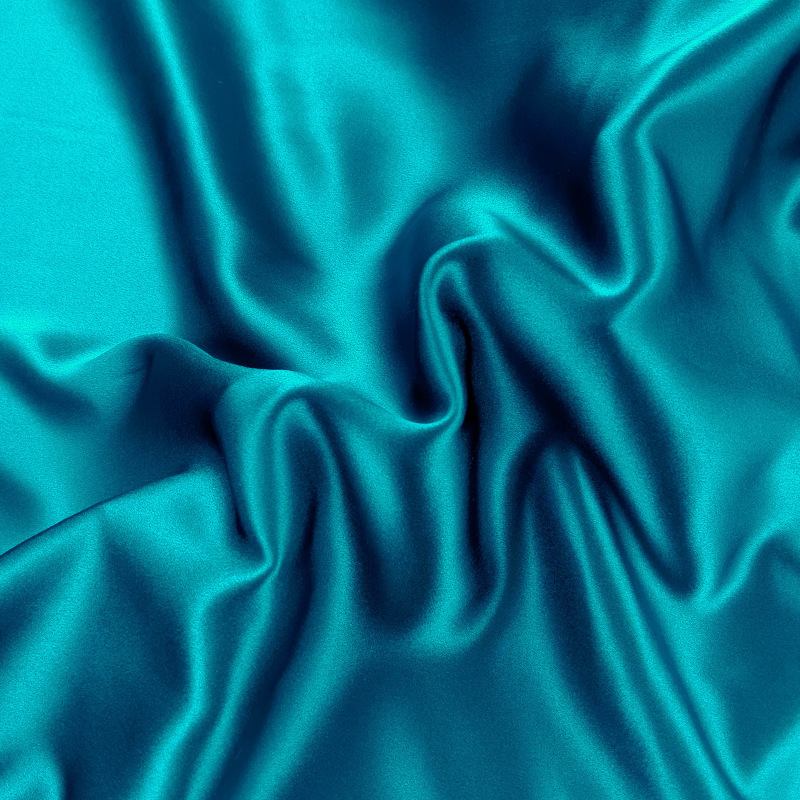
Used for all kinds of high-end silk bedding, such as silk four-piece sets, pillowcases, sheets, quilt covers, as well as silk scarves, summer pajamas, ladies' fashions and formal dresses, etc.
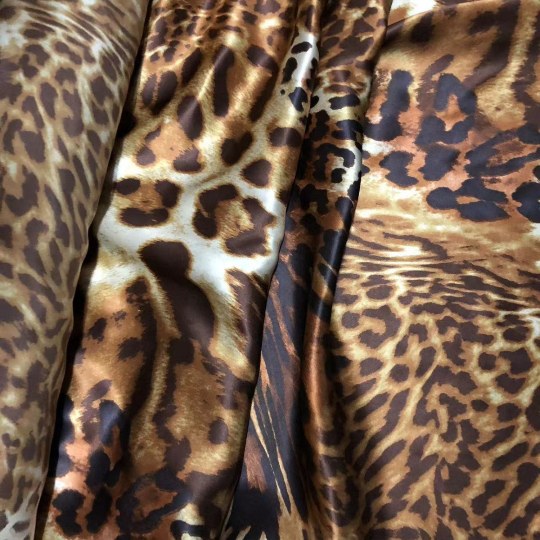
Leopard Jacquard Fabric is a luxurious and versatile textile characterized by its intricate woven patterns and elegant design.
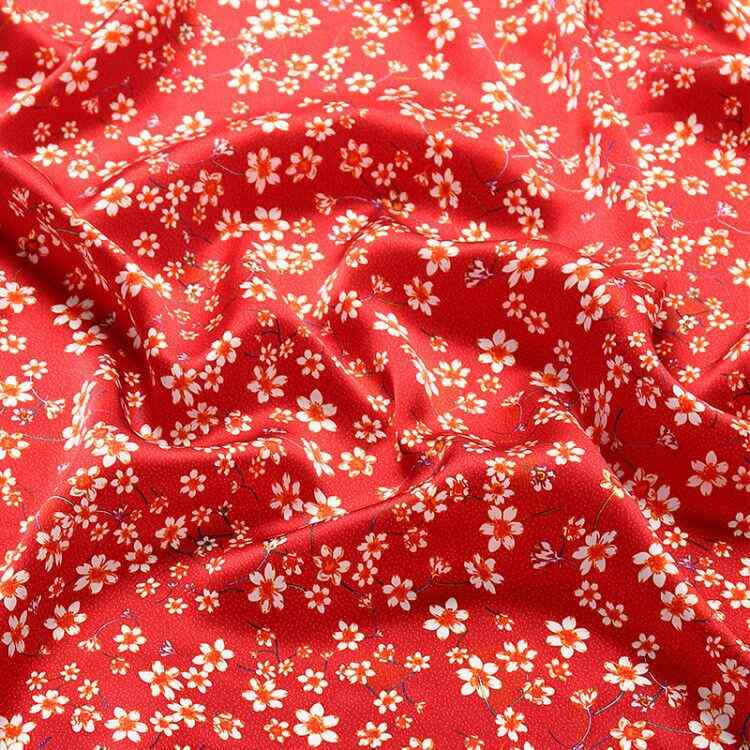
Floral Silk Fabric, crafted from Mulberry silk with a width of 140CM, a thickness of 16mm, and a weight of 68gsm, is ideal for creating elegant dresses, summer and spring outfits, luxurious sleepwear, and refined accessories like scarves and ties.
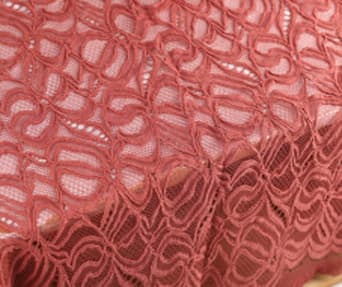
The best way to care for and wash Lace Fabric is to clean it gently using cold or lukewarm water and a mild detergent. Hand washing is recommended for delicate lace, while machine washing should only be done on a gentle cycle with the fabric placed inside
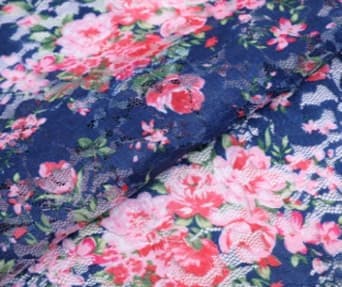
Lace Fabric can be made from a variety of materials, including cotton, polyester, nylon, rayon, silk, and spandex. Each material offers different characteristics such as softnes
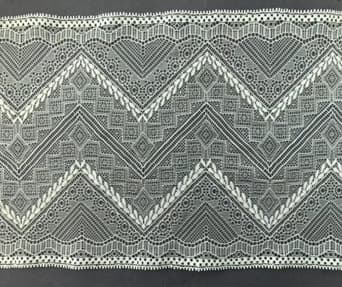
Corded lace is one of the most elegant and structurally rich types of lace used in fashion and textile design. It is widely applied in bridal gowns, evening dresses, lingerie, and decorative fabrics due to its raised outlines and three-dimensional texture. Unlike flat lace, corded lace is created by adding extra yarns or cords to emphasize floral or geometric patterns, making it more luxurious and visually striking.
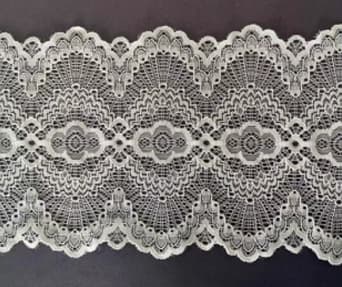
Corded lace is suitable for wedding dresses, evening gowns, blouses, skirts, lingerie, jackets, children's wear, and fashion accessories. Its raised embroidered patterns create a textured and elegant look that enhances both luxury and casual garments. Whether used as white lace or black corded lace fabric, it remains a versatile material widely used in modern fashion design.
Whatsapp: +86-137-1297-3009
Contact: Sophie Liao
Mailbox: sophie@chuanchencrafts.com
Add:Room 304, No.11, Jiaoyu Road, ZhangCun, Dongcheng Street, Dongguan City- 523112, China.

Wechat customer service
Copyright © 2026 Dongguan Chuanchen Craft Products Co., Ltd All rights reserved.