Cutting and sewing Stretch Lace fabric requires proper techniques because the elastic structure can easily become distorted if handled incorrectly. To avoid damage, use sharp cutting tools, stabilize the fabric before cutting, choose suitable needles and stitches, and control the stretching during sewing. With the right methods, Stretch Lace can maintain its original elasticity, delicate patterns, and smooth appearance after processing.
stretch lace Fabric is different from regular lace because it contains elastic fibers that allow the material to stretch and recover. This flexibility makes it suitable for lingerie, underwear, dresses, wedding garments, and fashion accessories, but it also creates challenges during cutting and sewing.
The elastic structure of Stretch Lace means the fabric may shift, curl, or lose its shape if excessive force is applied. Before starting the cutting process, it is important to understand the fabric direction, stretch level, and lace pattern arrangement.
Elastic Lace usually has different stretching abilities depending on the fiber composition, such as nylon, polyester, and spandex blends. Knowing the material characteristics helps manufacturers and designers select the right sewing methods.
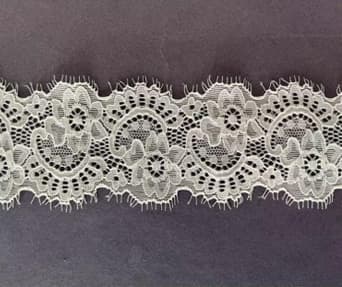
Proper preparation can reduce mistakes and prevent damage to Stretch Lace. Before cutting, place the fabric on a clean and flat surface. Avoid pulling or stretching the material while positioning it because this may affect the final size of the garment.
It is recommended to allow the Stretch Lace Fabric to rest before cutting, especially if it has been stored in a rolled condition. This helps the fabric return to its natural shape.
Using pattern templates is also helpful when working with lace materials. A clear pattern can ensure accurate cutting while preserving important lace details, such as floral designs or decorative edges.
Using the correct cutting tools is essential when processing Stretch Lace Fabric. Dull scissors or unsuitable tools can pull the delicate lace structure and create uneven edges.
Professional manufacturers often use sharp fabric scissors, rotary cutters, or specialized cutting equipment to achieve clean results. For small sewing projects, sharp scissors designed for lightweight fabrics are usually sufficient.
When cutting Elastic Lace, avoid cutting through important decorative patterns unless the design requires it. Keeping the original lace structure can improve the final appearance of the product.
When cutting Stretch Lace, accuracy and stability are important. The fabric should remain relaxed rather than stretched during cutting.
Follow these steps:
Place the Stretch Lace Fabric flat without pulling the material.
Align the pattern with the lace design to achieve a balanced appearance.
Use fabric weights or pins to prevent movement.
Cut slowly along the pattern edges.
Check the elasticity direction before assembling pieces.
For garments such as lingerie and fitted dresses, the stretch direction should match the body movement requirements. Cutting in the wrong direction may reduce comfort and affect the garment shape.
Sewing Stretch Lace requires suitable needles and threads because ordinary sewing tools may damage the elastic fibers.
A stretch needle or ballpoint needle is commonly recommended for Elastic Lace and other elastic fabrics. These needles can move between fibers instead of cutting through them, helping maintain the fabric structure.
For thread selection, polyester stretch thread or high-quality sewing thread can provide better flexibility. The thread should move with the fabric instead of restricting its natural stretch.
The choice of stitch directly affects the performance of Stretch Lace Fabric. A regular straight stitch may limit elasticity and cause seams to break when the fabric stretches.
Common stitch options include:
Zigzag stitch for flexible seams
Stretch stitch for elastic materials
Overlock stitch for professional garment production
For lingerie and close-fitting clothing, manufacturers often use overlock machines because they provide flexible seams while creating a clean finish.
When sewing Stretch Lace, avoid pulling the fabric while guiding it through the machine. Let the machine feed the material naturally to prevent wavy or stretched seams.
Several factors can affect the final quality of Stretch Lace products. Excessive tension, incorrect machine settings, and unsuitable sewing tools may cause problems such as holes, broken threads, or loss of elasticity.
To protect the fabric:
Test sewing settings on a small fabric sample first.
Adjust machine tension according to fabric thickness.
Avoid pressing the iron directly on delicate lace patterns.
Handle the fabric gently during production.
For large-scale manufacturing, quality control during cutting and sewing is especially important. Small mistakes in processing can affect the appearance and performance of finished garments.
After sewing, proper care can help maintain the quality of Stretch Lace products. Washing instructions should depend on the material composition and application.
Most Stretch Lace garments should avoid strong chemicals and excessive heat because high temperatures may affect elastic fibers. Gentle washing and proper storage can help maintain the fabric’s softness and elasticity.
For manufacturers, providing suitable care instructions can also improve customer satisfaction and extend product lifespan.
Stretch Lace is valued for its combination of beauty, flexibility, and comfort. However, these advantages depend on correct processing methods.
Whether producing lingerie, wedding dresses, fashion garments, or handmade products, careful cutting and sewing techniques help preserve the unique characteristics of Stretch Lace Fabric.
Working with experienced Stretch Lace suppliers can also provide additional support, including customized designs, material selection, and production guidance.
Cutting and sewing Stretch Lace Fabric without damage requires careful preparation, suitable tools, and proper sewing techniques. By controlling fabric tension, selecting the right needles and stitches, and following correct processing methods, manufacturers can maintain the elasticity and decorative appearance of Stretch Lace. Whether used for lingerie, fashion clothing, or custom textile products, Elastic Lace remains a versatile material that offers both style and functionality.

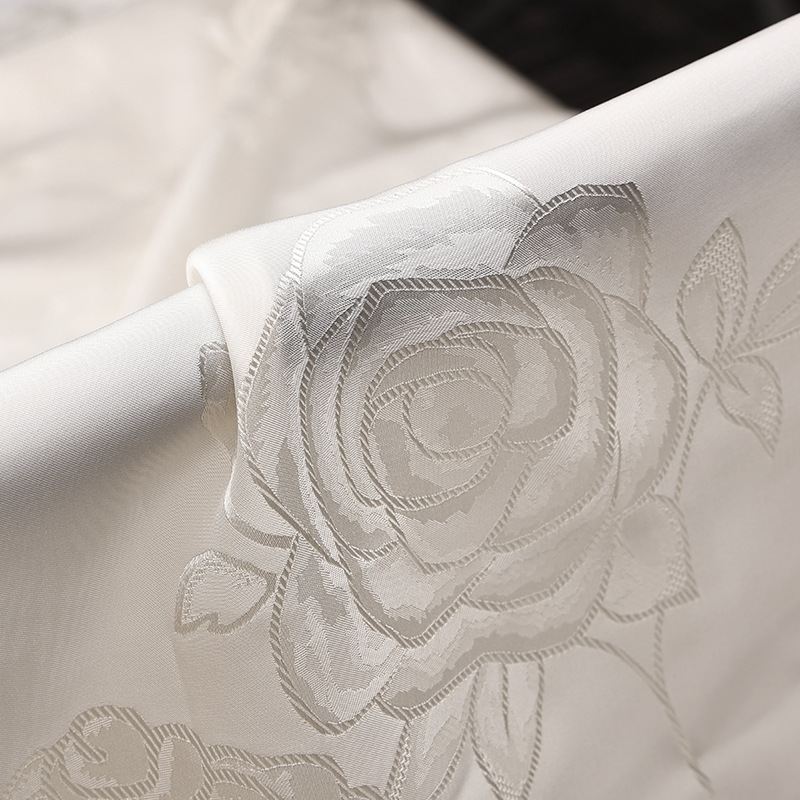
This fabric combines the smoothness and natural sheen of Mulberry Silk with the durability and versatility of Viscose, providing comfort and beauty for a variety of fashion applications.

Used for all kinds of high-end silk bedding, such as silk four-piece sets, pillowcases, sheets, quilt covers, as well as silk scarves, summer pajamas, ladies' fashions and formal dresses, etc.
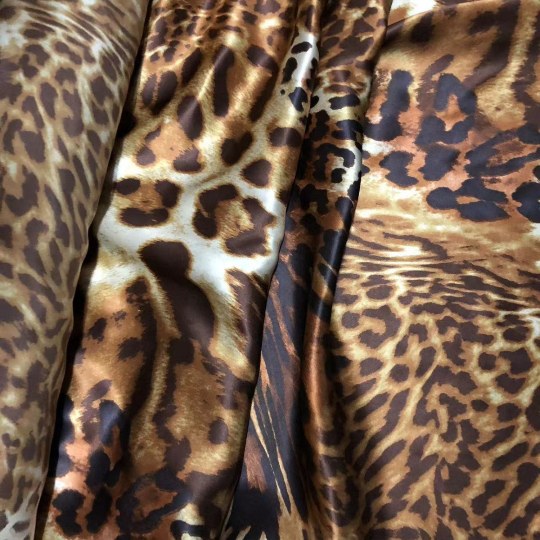
Leopard Jacquard Fabric is a luxurious and versatile textile characterized by its intricate woven patterns and elegant design.
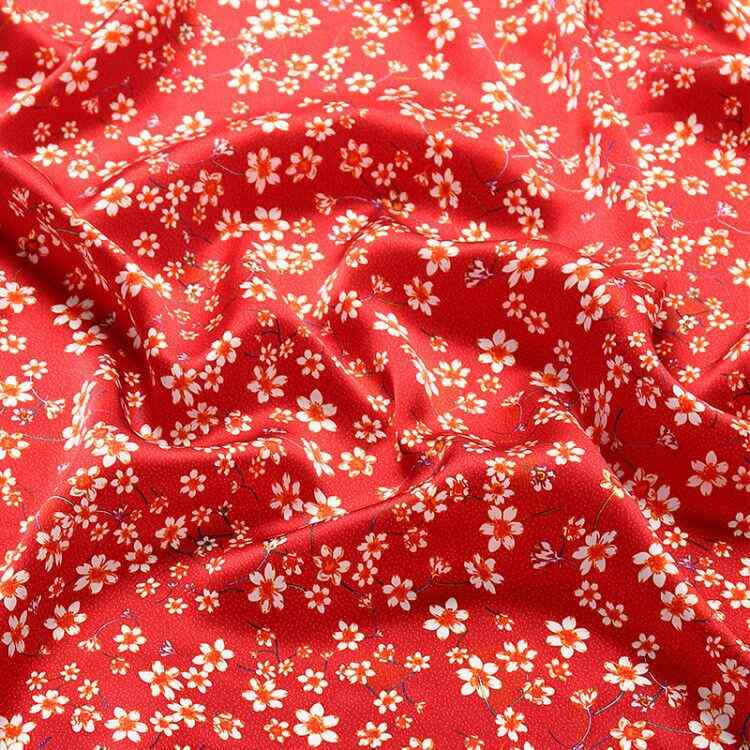
Floral Silk Fabric, crafted from Mulberry silk with a width of 140CM, a thickness of 16mm, and a weight of 68gsm, is ideal for creating elegant dresses, summer and spring outfits, luxurious sleepwear, and refined accessories like scarves and ties.
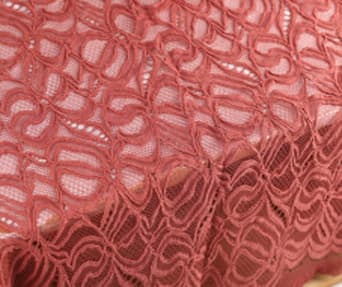
The best way to care for and wash Lace Fabric is to clean it gently using cold or lukewarm water and a mild detergent. Hand washing is recommended for delicate lace, while machine washing should only be done on a gentle cycle with the fabric placed inside
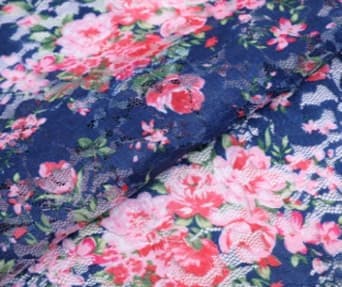
Lace Fabric can be made from a variety of materials, including cotton, polyester, nylon, rayon, silk, and spandex. Each material offers different characteristics such as softnes
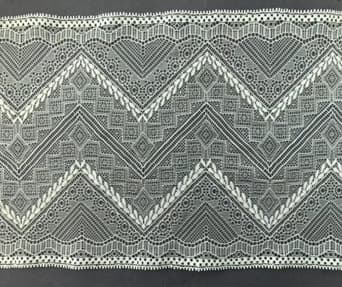
Corded lace is one of the most elegant and structurally rich types of lace used in fashion and textile design. It is widely applied in bridal gowns, evening dresses, lingerie, and decorative fabrics due to its raised outlines and three-dimensional texture. Unlike flat lace, corded lace is created by adding extra yarns or cords to emphasize floral or geometric patterns, making it more luxurious and visually striking.
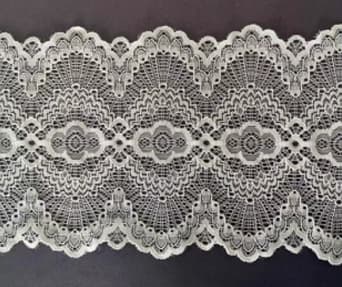
Corded lace is suitable for wedding dresses, evening gowns, blouses, skirts, lingerie, jackets, children's wear, and fashion accessories. Its raised embroidered patterns create a textured and elegant look that enhances both luxury and casual garments. Whether used as white lace or black corded lace fabric, it remains a versatile material widely used in modern fashion design.
Whatsapp: +86-137-1297-3009
Contact: Sophie Liao
Mailbox: sophie@chuanchencrafts.com
Add:Room 304, No.11, Jiaoyu Road, ZhangCun, Dongcheng Street, Dongguan City- 523112, China.

Wechat customer service
Copyright © 2026 Dongguan Chuanchen Craft Products Co., Ltd All rights reserved.