Lace fabric comes in several distinct types, and the right one depends mainly on two things: how much stretch the finished garment needs, and how much texture or dimension the design calls for. Stretch Lace moves with the body and suits close-fitting pieces like lingerie and dancewear. Non-stretch lace holds a fixed shape, making it better for structured designs. Corded and printed lace add raised texture or custom patterns on top of either base. This guide breaks down the main types so you can match the right lace to your design before ordering yardage.
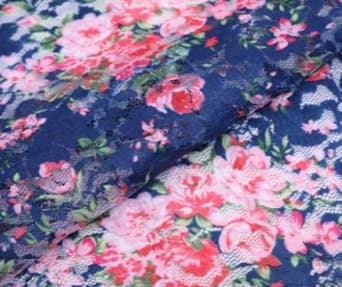
| Type | Elasticity | Best For |
|---|---|---|
| Stretch Lace | Elastic — moves with the body | Underwear, dancewear, close-fitting garments |
| Non-Stretch Lace | Fixed — holds its shape | Structured designs, delicate decorative pieces |
| Corded Lace | Varies by base fabric | Bridal gowns, evening dresses, textured luxury pieces |
| Printed Lace | Varies by base fabric and fiber | Custom patterns, modern fashion, home decor |
| Cotton Lace | Non-stretch, natural fiber | Breathable close-fitting wear, women's clothing |
Stretch lace is woven with elastic fibers — commonly nylon, polyester, or cotton blended with spandex — giving the fabric give and recovery. This makes it the standard choice for underwear, dancewear, and wedding dresses where the fabric needs to move and fit closely to the body without losing its decorative pattern.
Non-stretch lace is woven from fine yarn without elastic fibers, so it holds its shape and won't stretch or deform during use. This makes it better suited to designs that need a fixed structure — delicate trim work, structured overlays, or decorative applications where the pattern needs to stay exactly as woven rather than flex with movement.
Corded lace adds extra yarns or cords along the pattern outlines, giving the fabric a raised, three-dimensional texture that flat lace doesn't have. This structural detail is what makes corded lace a popular choice for bridal gowns, evening dresses, and lingerie where a more luxurious, textured look is the goal. For a closer look at how corded lace is constructed and where it's typically used, see our guide on corded lace fabric.
Printed lace combines a lace base with printing technology, adding custom patterns, colors, and designs onto the woven texture. Common processes include digital printing (suited to small-batch customization with rich color detail) and heat transfer printing (which presses the pattern onto the fabric via a hot glue film). This makes printed lace a flexible option when a standard woven pattern isn't enough and a fully custom design is needed — worth exploring with a printed lace manufacturer if your project calls for a design that doesn't exist as a standard pattern.
The fiber a lace is made from affects comfort as much as the weave structure does. Cotton lace is soft and breathable, making it a common choice for close-fitting clothing and summer garments. Polyester and Nylon lace tend to be more durable and wrinkle-resistant, while silk lace offers a more luxurious sheen suited to formal and bridal wear. Color also plays into sourcing decisions — black and white lace fabric are the most commonly stocked options across nearly every lace type, from stretch to corded to printed.
Not sure which lace type fits your design? Send us your garment type and fabric requirements, and we'll recommend options and send swatches within 24 hours.
Close-fitting garments (underwear, dancewear): stretch lace
Structured or decorative pieces: non-stretch lace
Bridal, evening wear, textured luxury look: corded lace
Custom pattern or brand-specific design: printed lace
Breathable, close-fitting summer wear: cotton lace
Ready to order swatches or discuss a custom lace fabric project? Tell us your application and target quantity, and we'll get back to you with pricing and lead time.
Stretch lace contains elastic fibers and moves with the body, making it suited to close-fitting garments. Non-stretch lace holds a fixed shape and won't deform during use, making it better for structured or decorative applications.
Corded lace's raised, textured pattern makes it a common choice for bridal gowns, evening dresses, and lingerie where a more dimensional, luxurious look is desired compared to flat lace.
Yes. Printed lace applies a custom pattern onto a woven lace base using digital printing, heat transfer, or screen printing, allowing for designs beyond what's available in standard woven patterns.
It depends on the application. Cotton is soft and breathable for close-fitting wear, polyester and nylon offer durability and wrinkle resistance, and silk offers a more luxurious finish suited to formal and bridal designs.

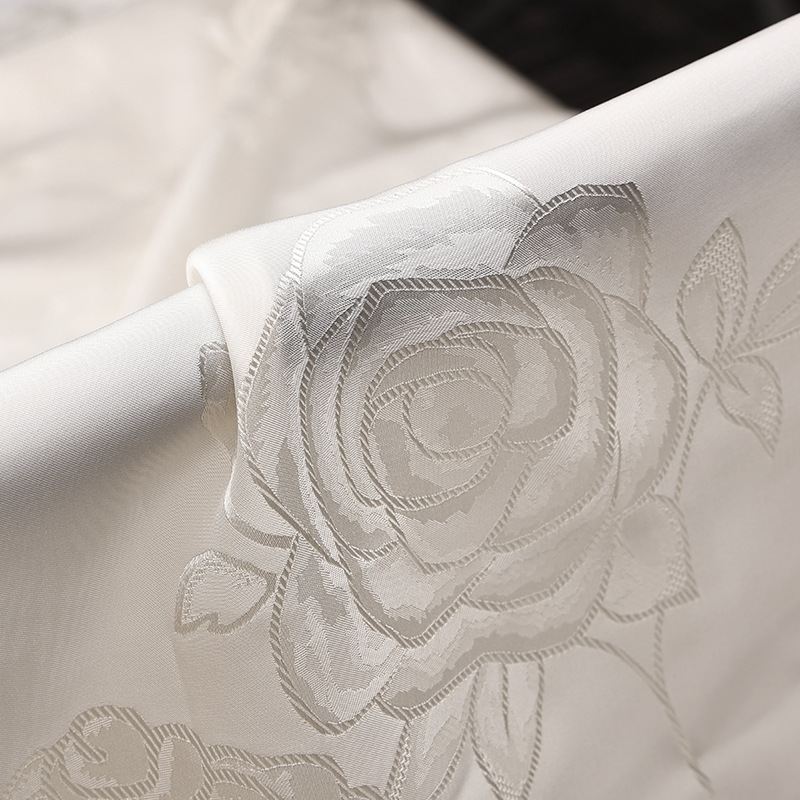
This fabric combines the smoothness and natural sheen of Mulberry Silk with the durability and versatility of Viscose, providing comfort and beauty for a variety of fashion applications.
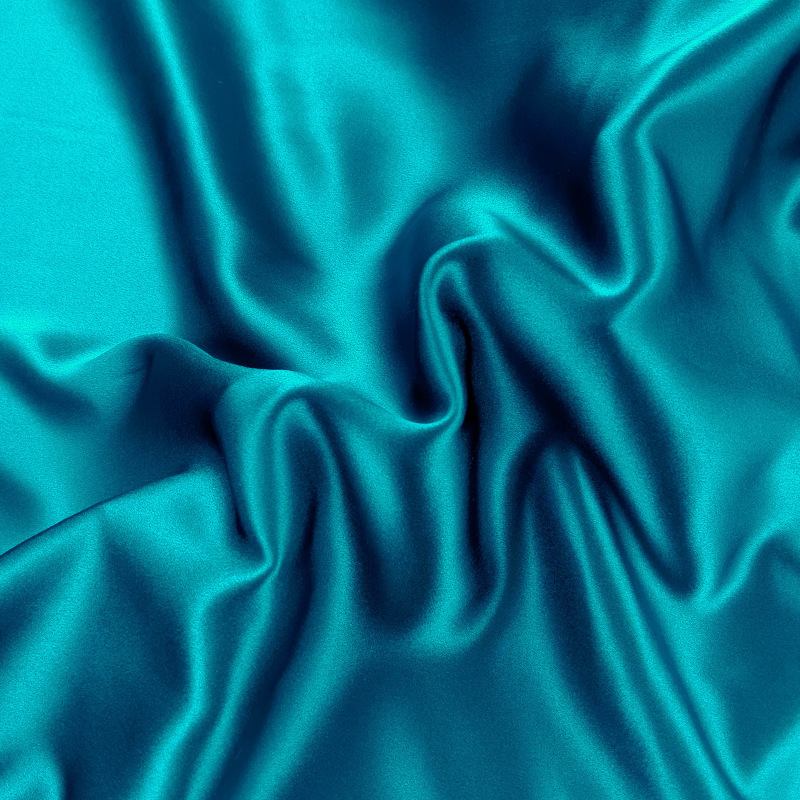
Used for all kinds of high-end silk bedding, such as silk four-piece sets, pillowcases, sheets, quilt covers, as well as silk scarves, summer pajamas, ladies' fashions and formal dresses, etc.
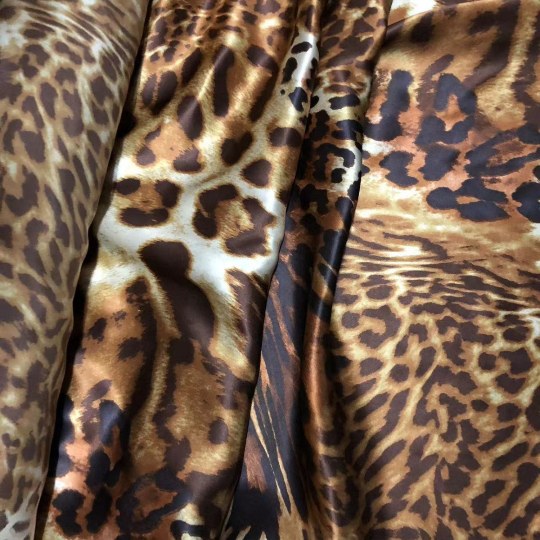
Leopard Jacquard Fabric is a luxurious and versatile textile characterized by its intricate woven patterns and elegant design.
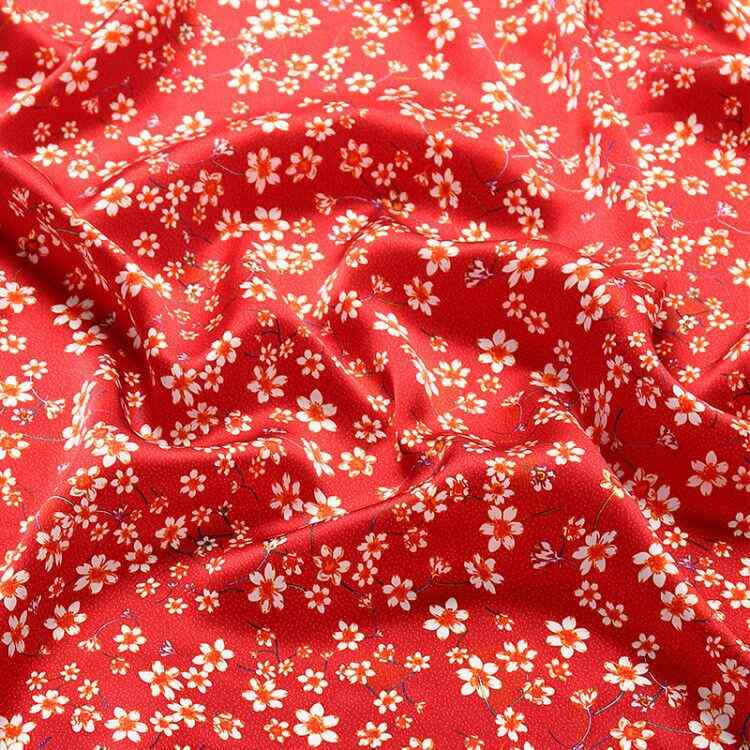
Floral Silk Fabric, crafted from Mulberry silk with a width of 140CM, a thickness of 16mm, and a weight of 68gsm, is ideal for creating elegant dresses, summer and spring outfits, luxurious sleepwear, and refined accessories like scarves and ties.
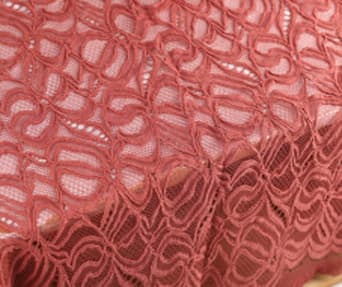
The best way to care for and wash Lace Fabric is to clean it gently using cold or lukewarm water and a mild detergent. Hand washing is recommended for delicate lace, while machine washing should only be done on a gentle cycle with the fabric placed inside
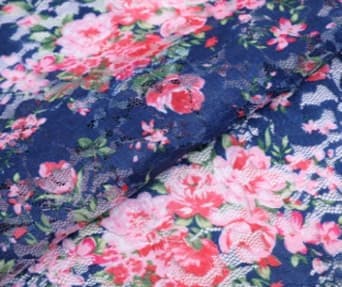
Lace Fabric can be made from a variety of materials, including cotton, polyester, nylon, rayon, silk, and spandex. Each material offers different characteristics such as softnes
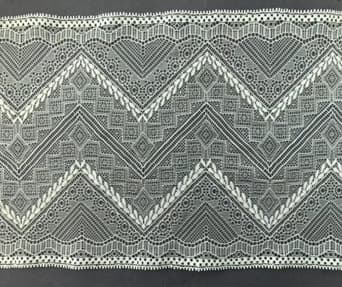
Corded lace is one of the most elegant and structurally rich types of lace used in fashion and textile design. It is widely applied in bridal gowns, evening dresses, lingerie, and decorative fabrics due to its raised outlines and three-dimensional texture. Unlike flat lace, corded lace is created by adding extra yarns or cords to emphasize floral or geometric patterns, making it more luxurious and visually striking.
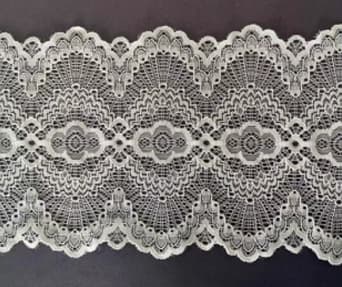
Corded lace is suitable for wedding dresses, evening gowns, blouses, skirts, lingerie, jackets, children's wear, and fashion accessories. Its raised embroidered patterns create a textured and elegant look that enhances both luxury and casual garments. Whether used as white lace or black corded lace fabric, it remains a versatile material widely used in modern fashion design.
Whatsapp: +86-137-1297-3009
Contact: Sophie Liao
Mailbox: sophie@chuanchencrafts.com
Add:Room 304, No.11, Jiaoyu Road, ZhangCun, Dongcheng Street, Dongguan City- 523112, China.

Wechat customer service
Copyright © 2026 Dongguan Chuanchen Craft Products Co., Ltd All rights reserved.