In today’s competitive global market,the quality of materials plays a critical role in determining the success of any Home Textile business.Whether you are sourcing for retail,hospitality,or private label branding,choosing the right fabrics directly impacts product performance,customer satisfaction,and long-term brand value.Professional Home textile manufacturers understand that material selection is the foundation of premium Home Textile Products.
One of the most widely used materials in Home Textile production is cotton.Cotton is known for its softness,breathability,and comfort,making it ideal for bedding such as bed sheets,duvet covers,and pillowcases.High-end options like Egyptian cotton and organic cotton offer longer fibers,better durability,and a more luxurious feel.For brands targeting mid-to-high-end markets,cotton remains a preferred choice due to its balance of comfort and practicality.
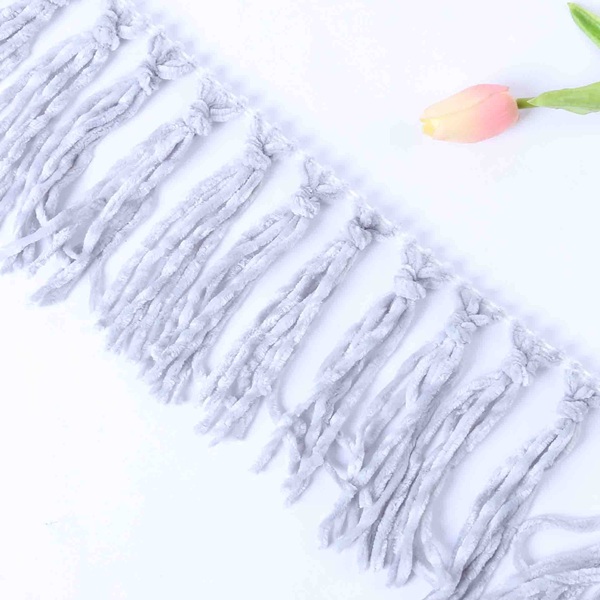
Linen is another popular material,especially for consumers looking for natural and eco-friendly options.It is highly breathable,moisture-absorbing,and durable,making it suitable for warmer climates.Linen Home Textile Products such as curtains and bedding are often associated with a premium,relaxed aesthetic.Although linen wrinkles more easily,its durability and sustainability make it a strong option in modern Home Textile collections.
Polyester,on the other hand,is widely used for its cost-effectiveness and versatility.It is resistant to wrinkles,shrinking,and fading,which makes it suitable for large-scale production.Many Home Textile Manufacturers combine polyester with cotton to create blended fabrics that offer both comfort and durability.Polyester-based Home Textile Products are especially common in curtains,cushion covers,and microfiber towels.
In recent years,bamboo fabric has gained popularity as a sustainable and innovative material.Bamboo fibers are naturally antibacterial,breathable,and extremely soft.As environmental awareness continues to grow,more buyers are turning to bamboo-based Home Textile Products to meet eco-friendly demands.Working with a Home Textile Manufacturer that offers sustainable fabric options can help brands stand out in competitive markets.
Silk represents the luxury end of the Home Textile industry.Known for its smooth texture and elegant appearance,silk is commonly used in premium bedding and pillowcases.It offers benefits for skin and hair,making it attractive to high-end consumers.However,due to its delicate nature and higher cost,silk is typically reserved for niche or luxury segments.
Blended fabrics are also widely used to combine the strengths of different materials.For example,cotton-polyester blends improve durability while maintaining comfort,and bamboo-cotton blends enhance both softness and sustainability.Many Home Textile Manufacturers rely on these blends to meet diverse customer needs and price points.
When selecting materials for Home Textile Products,buyers should consider factors such as target market,usage scenario,maintenance requirements,and budget.For instance,hotel buyers may prioritize durability and easy care,while retail brands may focus more on softness and aesthetics.Choosing the right material is not just about quality—it is about aligning product features with customer expectations.
In conclusion,the best materials for high-quality Home Textile Products depend on the intended market and application.Cotton,linen,polyester,bamboo,and silk each offer unique advantages.By working with an experienced Home Textile Manufacturer and understanding material characteristics,businesses can develop competitive,high-quality Home Textile collections that meet evolving market demands.
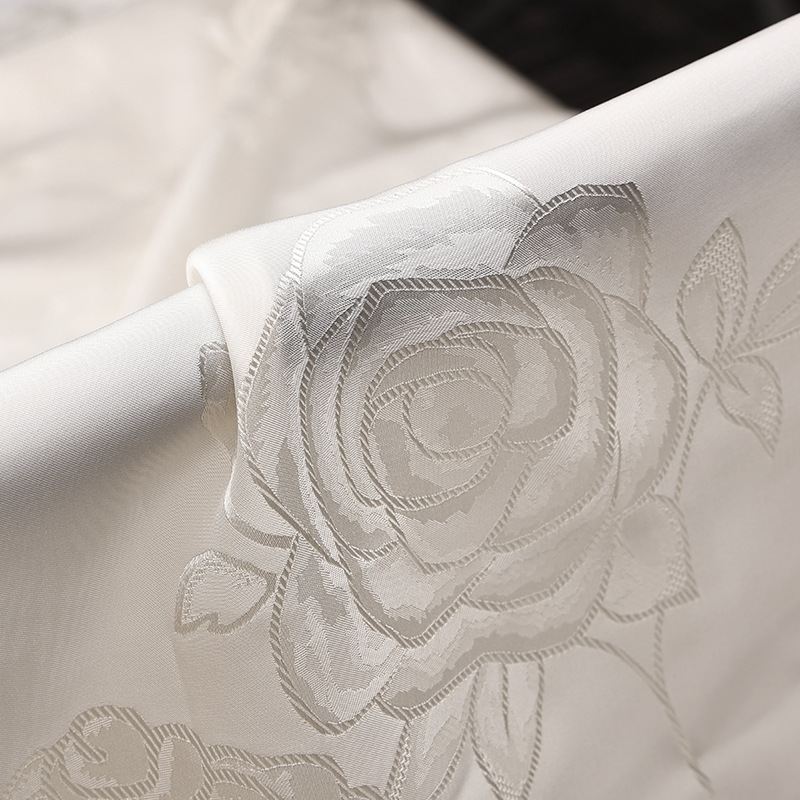
This fabric combines the smoothness and natural sheen of Mulberry Silk with the durability and versatility of Viscose, providing comfort and beauty for a variety of fashion applications.
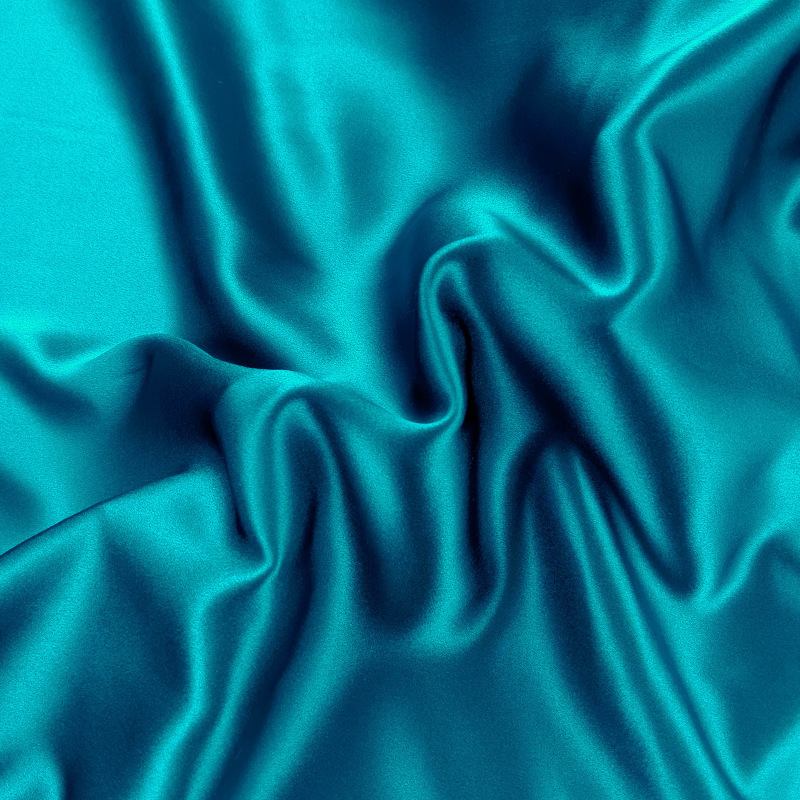
Used for all kinds of high-end silk bedding, such as silk four-piece sets, pillowcases, sheets, quilt covers, as well as silk scarves, summer pajamas, ladies' fashions and formal dresses, etc.
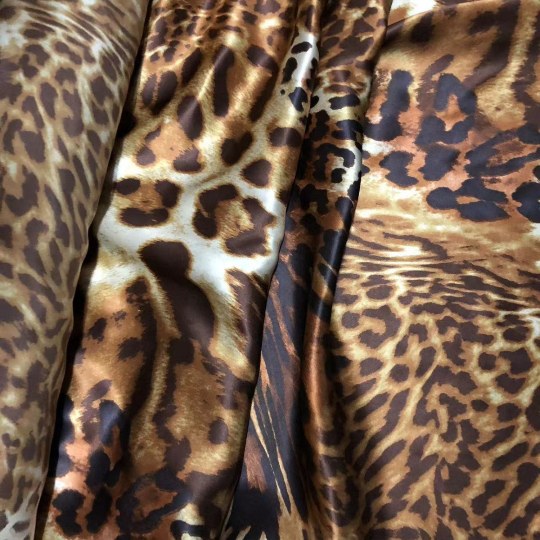
Leopard Jacquard Fabric is a luxurious and versatile textile characterized by its intricate woven patterns and elegant design.
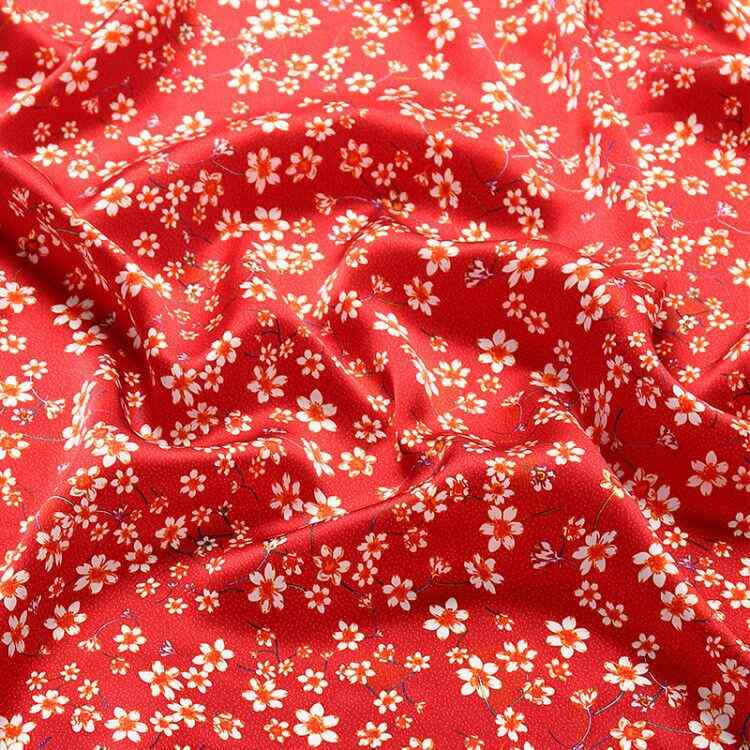
Floral Silk Fabric, crafted from Mulberry silk with a width of 140CM, a thickness of 16mm, and a weight of 68gsm, is ideal for creating elegant dresses, summer and spring outfits, luxurious sleepwear, and refined accessories like scarves and ties.
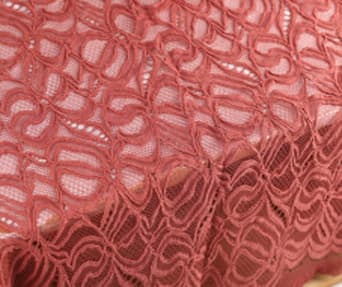
The best way to care for and wash Lace Fabric is to clean it gently using cold or lukewarm water and a mild detergent. Hand washing is recommended for delicate lace, while machine washing should only be done on a gentle cycle with the fabric placed inside
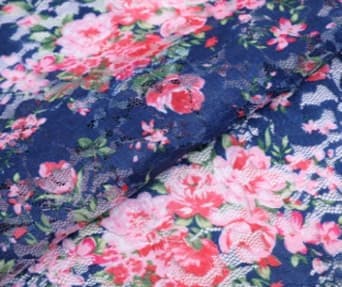
Lace Fabric can be made from a variety of materials, including cotton, polyester, nylon, rayon, silk, and spandex. Each material offers different characteristics such as softnes
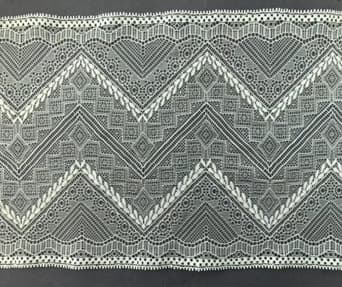
Corded lace is one of the most elegant and structurally rich types of lace used in fashion and textile design. It is widely applied in bridal gowns, evening dresses, lingerie, and decorative fabrics due to its raised outlines and three-dimensional texture. Unlike flat lace, corded lace is created by adding extra yarns or cords to emphasize floral or geometric patterns, making it more luxurious and visually striking.
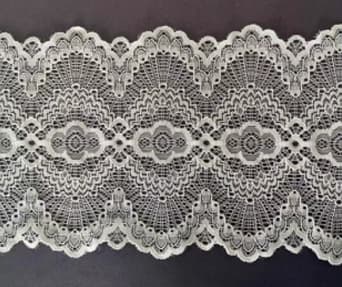
Corded lace is suitable for wedding dresses, evening gowns, blouses, skirts, lingerie, jackets, children's wear, and fashion accessories. Its raised embroidered patterns create a textured and elegant look that enhances both luxury and casual garments. Whether used as white lace or black corded lace fabric, it remains a versatile material widely used in modern fashion design.
Whatsapp: +86-137-1297-3009
Contact: Sophie Liao
Mailbox: sophie@chuanchencrafts.com
Add:Room 304, No.11, Jiaoyu Road, ZhangCun, Dongcheng Street, Dongguan City- 523112, China.

Wechat customer service
Copyright © 2026 Dongguan Chuanchen Craft Products Co., Ltd All rights reserved.