Packaging is a key factor in the success of Home Textile Products,especially in today’s competitive and brand-driven market.Beyond protecting products during transportation,packaging also influences customer perception,enhances brand identity,and adds value to the overall product experience.A professional Home Textile Manufacturer understands that the right packaging solution can significantly impact both sales and customer satisfaction.
One of the most commonly used packaging methods in the Home Textile industry is plastic bag packaging.This option is cost-effective,lightweight,and suitable for bulk orders.Many Home textile manufacturers use PE or PVC bags for items such as bedding sets,towels,and cushion covers.These bags can be customized with logos and labels,making them practical for wholesale distribution.
Non-woven fabric bags are becoming increasingly popular due to their eco-friendly and reusable nature.They are more durable than plastic bags and provide a higher-end appearance.For brands looking to position their Home Textile Products as sustainable or premium,non-woven packaging is a strong choice.It not only protects the product but also enhances brand perception.
Zipper bags offer a balance between functionality and presentation.They are widely used for bedding sets and blankets because they are easy to open,close,and reuse.Customers often keep these bags for storage,which adds extra value to the product.Many Home Textile Manufacturers recommend zipper packaging for retail markets where user experience is important.
For premium segments,gift box packaging is an excellent option.Rigid boxes with custom printing create a luxurious look and feel,making them ideal for high-end Home Textile Products such as luxury bedding or towel sets.This type of packaging is especially effective in retail environments and for gift purposes,helping brands stand out from competitors.
Vacuum packaging is commonly used for bulky items like comforters and pillows.By compressing the product,this method significantly reduces shipping volume and cost.It is particularly beneficial for international shipping and bulk orders.However,products may require reshaping after unpacking,which should be considered when choosing this option.
Paper-based packaging is also gaining traction as sustainability becomes a global priority.Kraft paper boxes and recyclable paper bags are environmentally friendly alternatives that appeal to eco-conscious consumers.Working with a Home Textile Manufacturer that offers sustainable packaging solutions can strengthen your brand image and align with modern market trends.
Custom packaging solutions allow businesses to fully express their brand identity.From logo printing and color matching to custom inserts and labels,tailored packaging helps create a unique and memorable customer experience.A reliable Home Textile Manufacturer can provide flexible customization options to meet different branding and marketing needs.
When choosing packaging for Home Textile Products,it is important to consider factors such as target market,product type,shipping method,and cost.Wholesale buyers may prioritize efficiency and affordability,while retail brands often focus on visual appeal and user experience.The right packaging should balance protection,cost,and branding.
In conclusion,there are various packaging options available for Home Textile Products,each serving different purposes.From simple plastic bags to premium gift boxes and eco-friendly paper solutions,the choice depends on your business strategy and market positioning.By partnering with an experienced Home Textile Manufacturer,you can select packaging that not only protects your products but also enhances brand value and drives sales.
This fabric combines the smoothness and natural sheen of Mulberry Silk with the durability and versatility of Viscose, providing comfort and beauty for a variety of fashion applications.
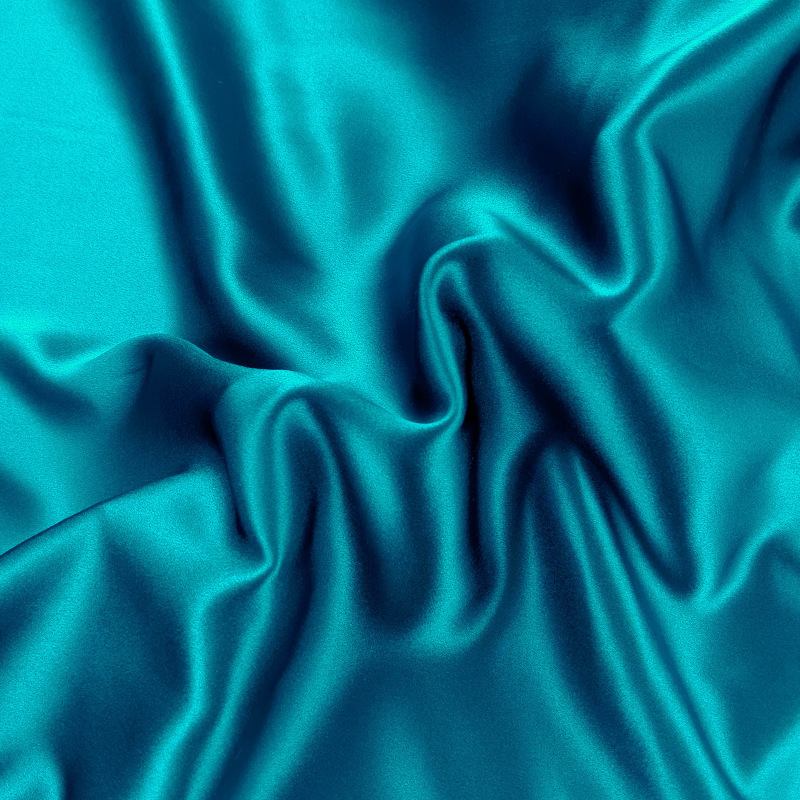
Used for all kinds of high-end silk bedding, such as silk four-piece sets, pillowcases, sheets, quilt covers, as well as silk scarves, summer pajamas, ladies' fashions and formal dresses, etc.
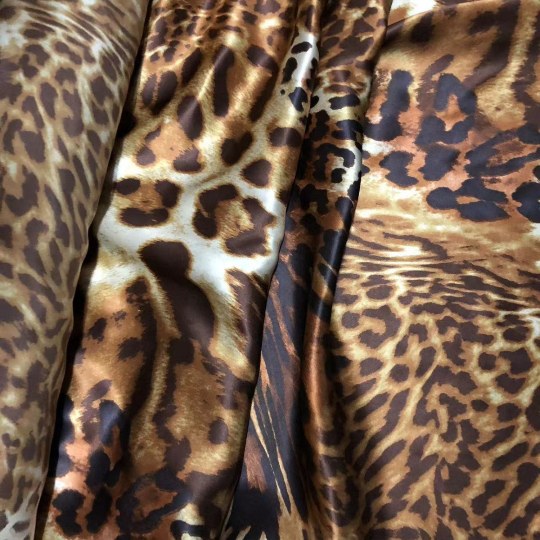
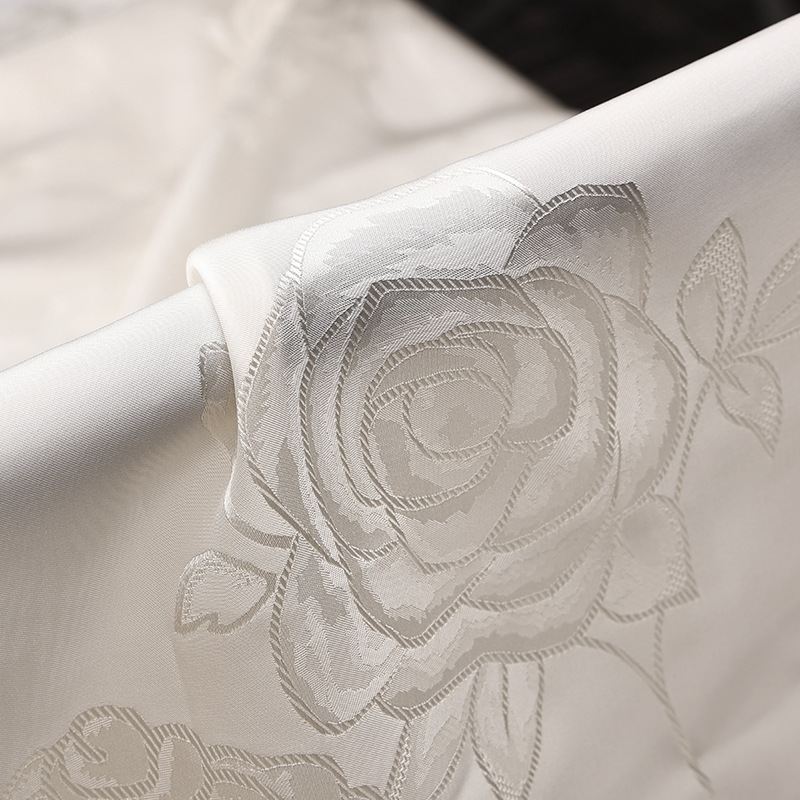
Leopard Jacquard Fabric is a luxurious and versatile textile characterized by its intricate woven patterns and elegant design.
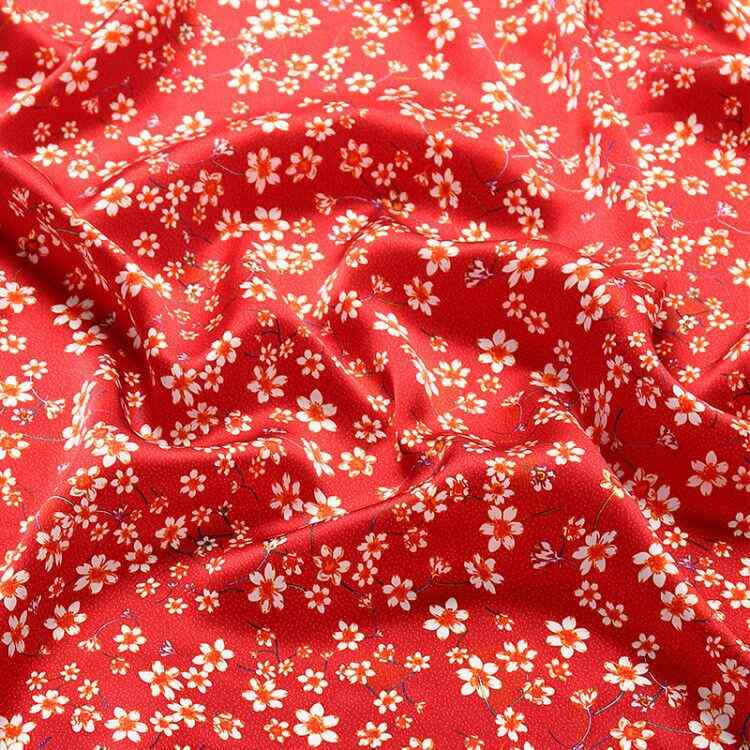
Floral Silk Fabric, crafted from Mulberry silk with a width of 140CM, a thickness of 16mm, and a weight of 68gsm, is ideal for creating elegant dresses, summer and spring outfits, luxurious sleepwear, and refined accessories like scarves and ties.
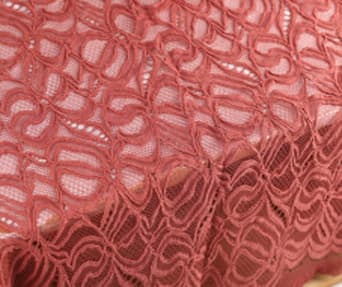
The best way to care for and wash Lace Fabric is to clean it gently using cold or lukewarm water and a mild detergent. Hand washing is recommended for delicate lace, while machine washing should only be done on a gentle cycle with the fabric placed inside
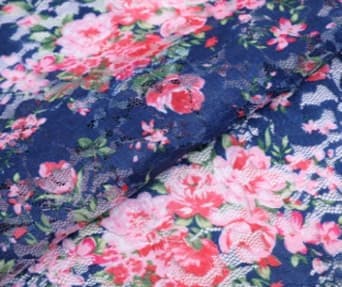
Lace Fabric can be made from a variety of materials, including cotton, polyester, nylon, rayon, silk, and spandex. Each material offers different characteristics such as softnes
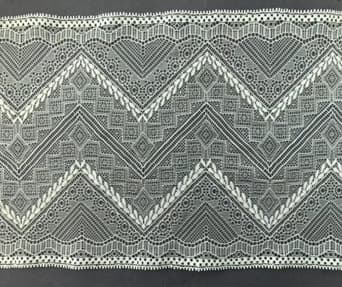
Corded lace is one of the most elegant and structurally rich types of lace used in fashion and textile design. It is widely applied in bridal gowns, evening dresses, lingerie, and decorative fabrics due to its raised outlines and three-dimensional texture. Unlike flat lace, corded lace is created by adding extra yarns or cords to emphasize floral or geometric patterns, making it more luxurious and visually striking.
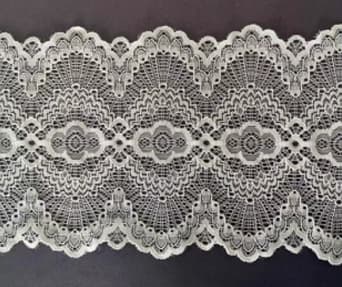
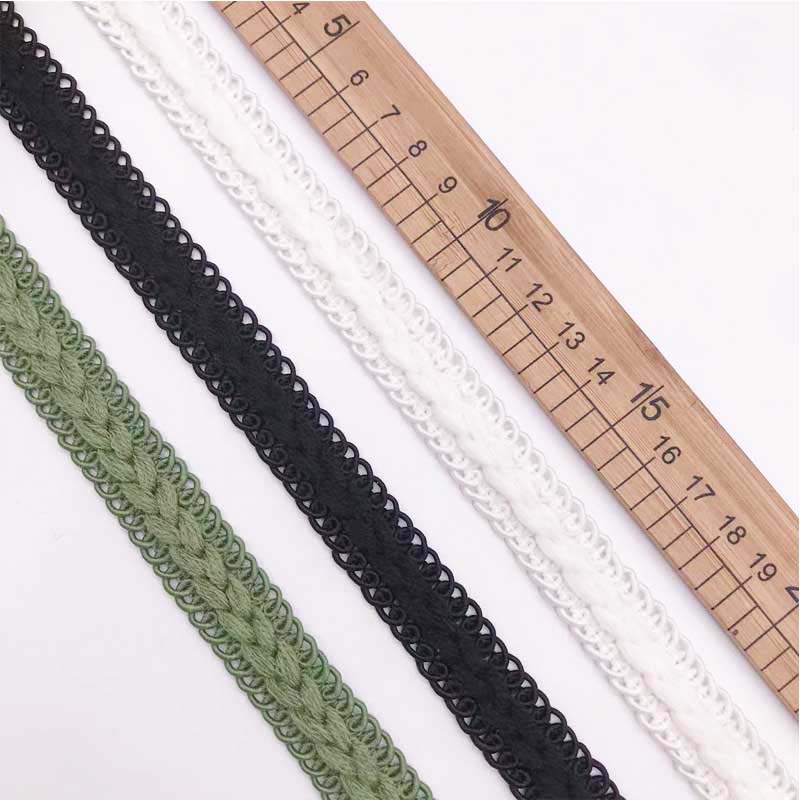
Corded lace is suitable for wedding dresses, evening gowns, blouses, skirts, lingerie, jackets, children's wear, and fashion accessories. Its raised embroidered patterns create a textured and elegant look that enhances both luxury and casual garments. Whether used as white lace or black corded lace fabric, it remains a versatile material widely used in modern fashion design.
Whatsapp: +86-137-1297-3009
Contact: Sophie Liao
Mailbox: sophie@chuanchencrafts.com
Add:Room 304, No.11, Jiaoyu Road, ZhangCun, Dongcheng Street, Dongguan City- 523112, China.

Wechat customer service
Copyright © 2026 Dongguan Chuanchen Craft Products Co., Ltd All rights reserved.