Lace is a delicate and decorative fabric known for its intricate patterns, lightweight structure, and elegant appearance. It has been widely used in fashion, bridal wear, lingerie, home decoration, and textile design for centuries. With different manufacturing techniques and materials, lace can be divided into various types, each with unique textures, patterns, and applications.
Understanding the different types of lace helps designers, clothing manufacturers, and buyers choose the right Lace fabric for their projects. The seven most common types of lace include cord lace, Chantilly lace, guipure lace, embroidered lace, chemical lace, knitted lace, and Stretch Lace.
Corded lace is a popular lace fabric featuring raised patterns created by adding thicker threads or cords along the design outlines. These raised details give the fabric a three-dimensional texture and make floral or decorative patterns stand out.
Because of its elegant and luxurious appearance, corded lace is commonly used for wedding dresses, bridal veils, evening gowns, and high-end fashion garments. Compared with regular lace, corded lace fabric offers stronger visual depth and a more structured look.
Chantilly lace is a lightweight lace known for its delicate floral patterns, fine details, and soft texture. Originally developed in France, this lace style is recognized for its elegant and romantic appearance.
Chantilly lace is widely used in bridal gowns, wedding veils, lingerie, and luxury fashion pieces. Its lightweight and transparent characteristics make it ideal for creating feminine and sophisticated designs.
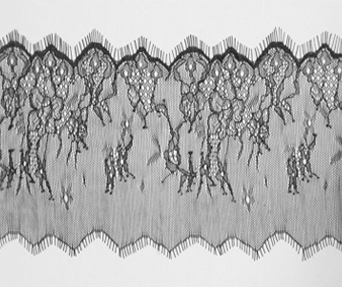
Guipure lace, also called Venice lace, is a type of lace that features connected motifs without a traditional mesh background. Instead of being woven onto a net base, the patterns are linked together through embroidery or stitching techniques.
This structure gives guipure lace a thicker and more textured appearance compared with lightweight lace fabrics. It is commonly used for dresses, tops, skirts, jackets, and decorative fashion applications where a bold lace effect is needed.
Embroidered lace is created by adding decorative embroidery patterns onto a fabric base or mesh material. The embroidery process allows manufacturers to produce various designs, including flowers, leaves, geometric patterns, and custom motifs.
This type of lace offers great design flexibility and is often used for clothing, accessories, curtains, and Home Textile products. Custom embroidered lace is also popular among fashion brands looking for unique patterns.
Chemical lace is produced through a special process where embroidery is applied to a dissolvable fabric base. After the embroidery is completed, the base material is removed, leaving only the lace pattern.
This production method allows manufacturers to create complex and detailed designs with a smooth finish. Chemical lace is often used in luxury garments, bridal fashion, and decorative textile applications due to its refined appearance.
Knitted lace is made using knitting techniques rather than traditional weaving or embroidery methods. It usually has a softer texture, better elasticity, and improved comfort compared with some other lace types.
Because of its flexibility, knitted lace is commonly used for lingerie, underwear, baby clothing, fashion tops, and comfortable everyday garments. It can provide both decorative appeal and wearing comfort.
Stretch lace contains elastic fibers, such as spandex or elastane, which allow the fabric to stretch and recover its original shape. This makes it more comfortable and suitable for fitted clothing.
Stretch Lace Fabric is widely used in lingerie, activewear, dresses, and body-hugging garments. Its combination of flexibility, softness, and decorative patterns makes it a popular choice for modern fashion designs.
When selecting lace fabric, buyers should consider several important factors:
Application: Different lace types suit different products. For example, corded lace and Chantilly lace are popular for bridal wear, while stretch lace is better for fitted garments.
Texture and Appearance: Raised lace designs provide a more luxurious look, while lightweight lace creates a soft and elegant effect.
Material Composition: Lace can be made from polyester, nylon, cotton, rayon, or blended fibers. The material affects softness, durability, and cost.
Customization Needs: For brands and manufacturers, custom lace patterns, colors, and finishes can help create unique products.
The seven main types of lace—corded lace, Chantilly lace, guipure lace, embroidered lace, chemical lace, knitted lace, and stretch lace—each offer different textures, designs, and advantages. Whether used for wedding dresses, fashion garments, lingerie, or decorative textiles, choosing the right lace fabric can significantly improve the appearance and quality of the final product.
For designers, clothing brands, and textile buyers, understanding these lace varieties is essential for selecting the best material based on style, function, and production requirements.
Previous: What Is Stretch Lace?
Next: What Is Corded Lace?

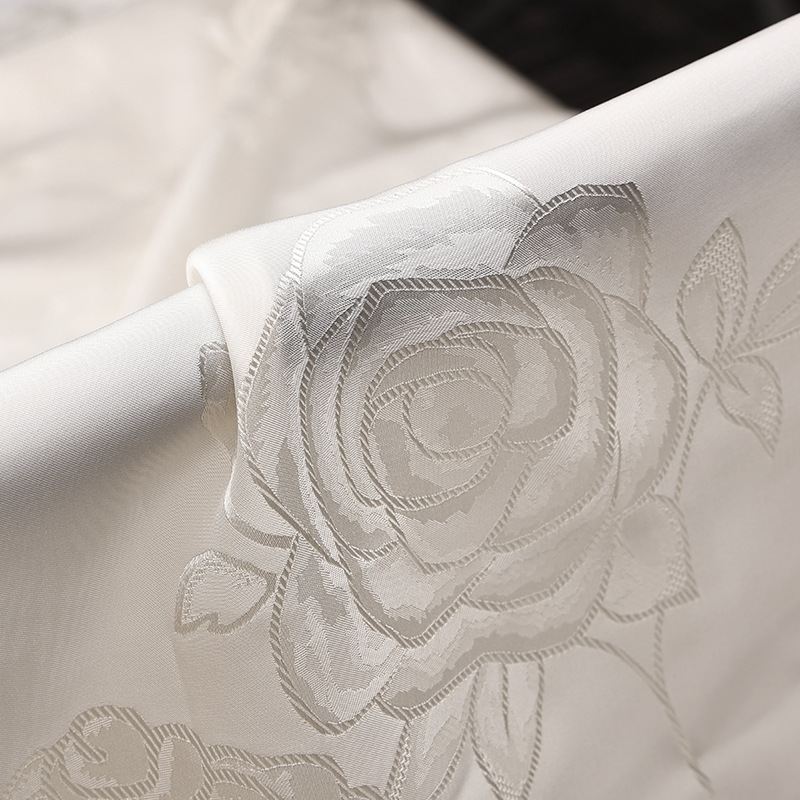
This fabric combines the smoothness and natural sheen of Mulberry Silk with the durability and versatility of Viscose, providing comfort and beauty for a variety of fashion applications.
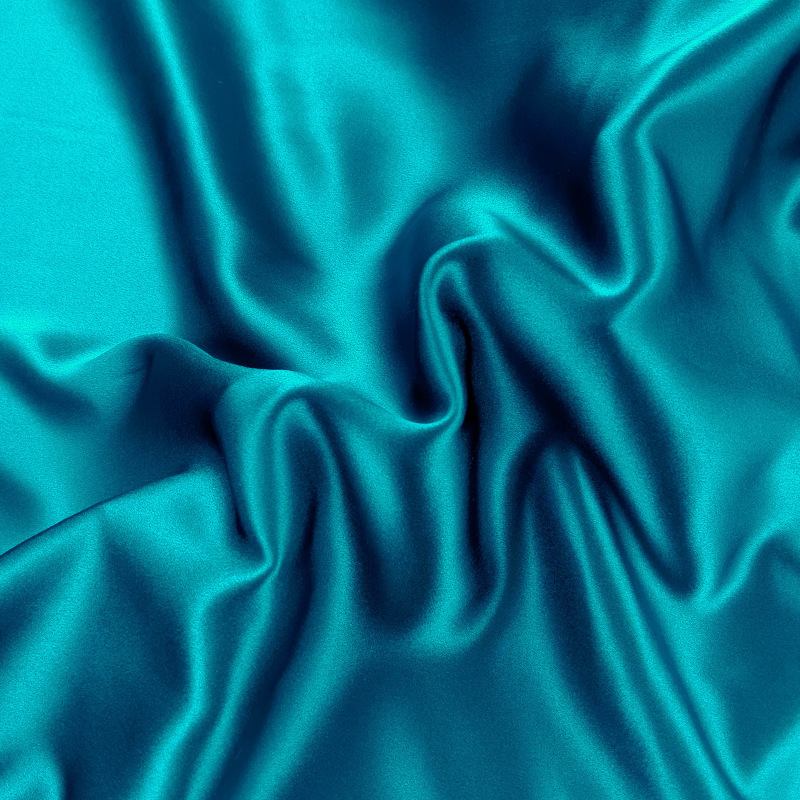
Used for all kinds of high-end silk bedding, such as silk four-piece sets, pillowcases, sheets, quilt covers, as well as silk scarves, summer pajamas, ladies' fashions and formal dresses, etc.
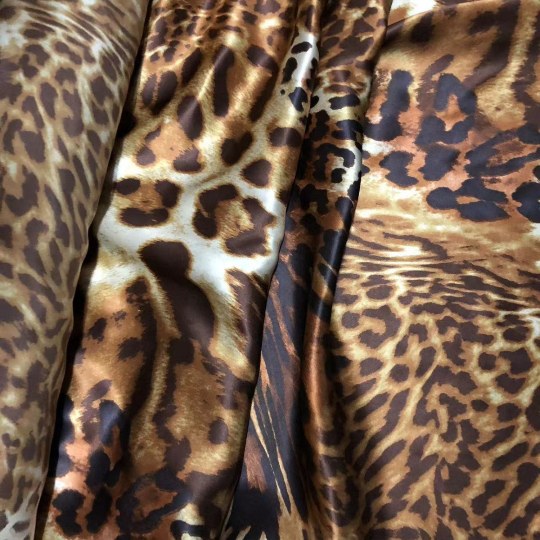
Leopard Jacquard Fabric is a luxurious and versatile textile characterized by its intricate woven patterns and elegant design.
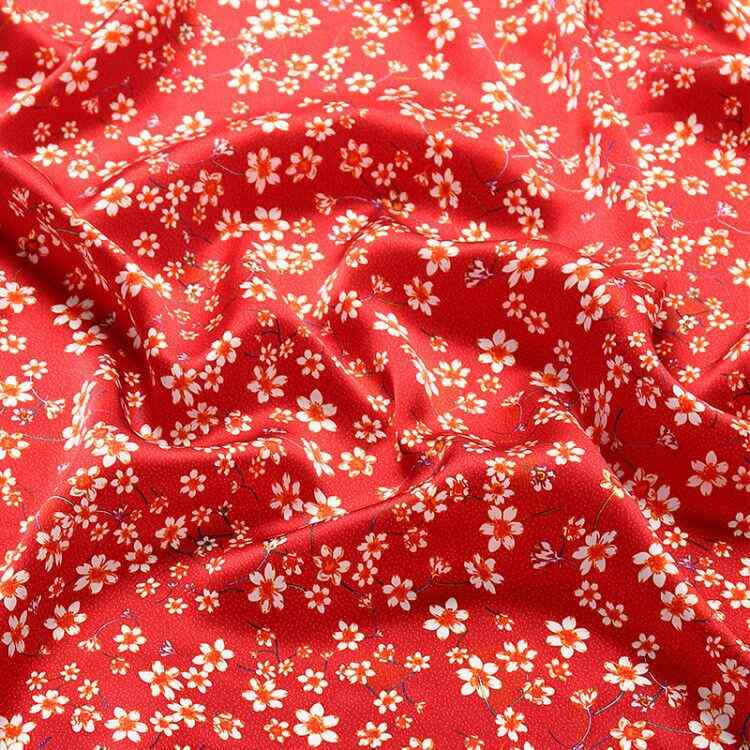
Floral Silk Fabric, crafted from Mulberry silk with a width of 140CM, a thickness of 16mm, and a weight of 68gsm, is ideal for creating elegant dresses, summer and spring outfits, luxurious sleepwear, and refined accessories like scarves and ties.
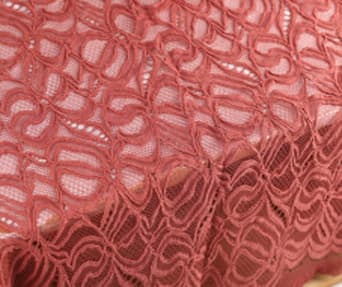
The best way to care for and wash Lace Fabric is to clean it gently using cold or lukewarm water and a mild detergent. Hand washing is recommended for delicate lace, while machine washing should only be done on a gentle cycle with the fabric placed inside
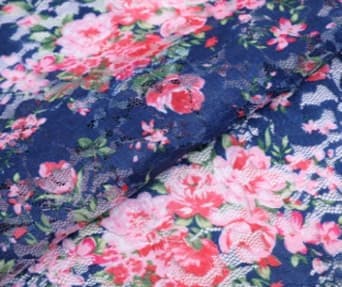
Lace Fabric can be made from a variety of materials, including cotton, polyester, nylon, rayon, silk, and spandex. Each material offers different characteristics such as softnes
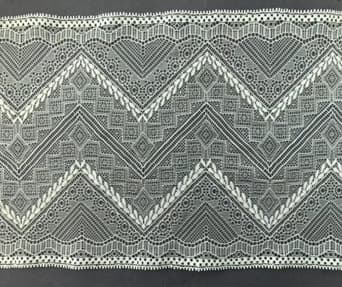
Corded lace is one of the most elegant and structurally rich types of lace used in fashion and textile design. It is widely applied in bridal gowns, evening dresses, lingerie, and decorative fabrics due to its raised outlines and three-dimensional texture. Unlike flat lace, corded lace is created by adding extra yarns or cords to emphasize floral or geometric patterns, making it more luxurious and visually striking.
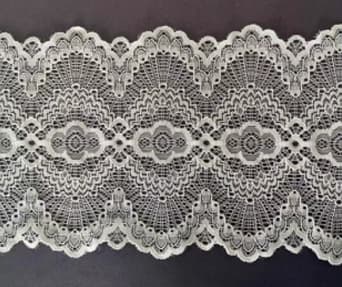
Corded lace is suitable for wedding dresses, evening gowns, blouses, skirts, lingerie, jackets, children's wear, and fashion accessories. Its raised embroidered patterns create a textured and elegant look that enhances both luxury and casual garments. Whether used as white lace or black corded lace fabric, it remains a versatile material widely used in modern fashion design.
Whatsapp: +86-137-1297-3009
Contact: Sophie Liao
Mailbox: sophie@chuanchencrafts.com
Add:Room 304, No.11, Jiaoyu Road, ZhangCun, Dongcheng Street, Dongguan City- 523112, China.

Wechat customer service
Copyright © 2026 Dongguan Chuanchen Craft Products Co., Ltd All rights reserved.