Stretch Lace is a type of Lace fabric designed with elastic properties, allowing it to expand and recover its original shape when stretched. Unlike traditional lace, which is mainly valued for its decorative appearance, stretch lace combines openwork patterns, softness, and flexibility, making it suitable for products that need both visual appeal and a comfortable fit. It is widely used in lingerie, underwear, apparel, sportswear, swimwear, accessories, and textile decoration.
The elasticity of stretch lace generally comes from elastic fibers incorporated into the fabric structure. Depending on the manufacturing method and end-use requirements, common materials include spandex, elastane, nylon, polyester, cotton, and blends of these fibers. The combination of yarn selection, knitting or weaving structure, lace pattern, and finishing treatment determines the final stretch, recovery, softness, durability, and appearance of the material.
The working principle of stretch lace is based on the elastic deformation and recovery of the yarn and fabric structure. When the fabric is pulled, elastic fibers such as spandex or elastane can extend significantly and then return toward their original length after the external force is released. At the same time, the lace construction allows the fabric loops or patterned areas to open and close slightly during movement.
This combination gives Stretch Lace its characteristic flexibility. Depending on the fabric construction, stretch may occur in one direction or both directions. One-way stretch usually provides elasticity across the width, while two-way or four-way stretch can offer greater flexibility in both width and length.
Several technical factors influence stretch performance, including fiber content, yarn count, stitch density, fabric construction, elastic tension, and finishing process. For example, increasing the proportion of elastane can improve elasticity, but the final performance still depends on how the elastic yarn is integrated into the lace structure.
Stretch recovery is another important property. A high-quality fabric should not only stretch easily but also recover its original dimensions after repeated use. Poor recovery can result in deformation, sagging, or loss of fit over time.
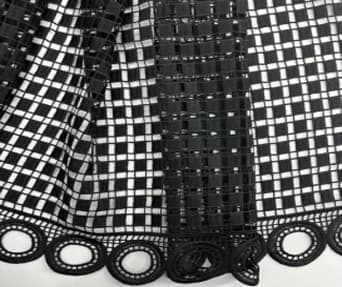
Different fibers can be used to produce stretch lace, depending on the desired appearance, hand feel, elasticity, and application.
Spandex, also known as elastane, is one of the most important elastic fibers used in stretch lace. It provides excellent extensibility and recovery, making it particularly suitable for garments that need to follow body movement. The percentage of elastane can be adjusted according to the required level of stretch and support.
Nylon is commonly blended with elastic fibers because it provides strength, abrasion resistance, smoothness, and dimensional stability. Nylon-based lace can have a lightweight and soft hand feel while maintaining good durability.
Polyester is valued for its strength, color retention, dimensional stability, and resistance to wrinkles. Polyester blends can be used when manufacturers need durable lace with consistent appearance and easier care.
Cotton can be incorporated into certain lace fabrics when softness, breathability, and a natural hand feel are important. Cotton stretch lace may be combined with elastane to improve flexibility while maintaining some of the comfort associated with natural fibers.
In many cases, manufacturers use blended yarns rather than a single fiber. An Elastic Lace Fabric may combine nylon or polyester with elastane to balance elasticity, strength, appearance, and production cost.
The manufacturing process of stretch lace varies depending on the lace structure, pattern, machinery, and fiber composition. However, several key stages are commonly involved.
The process begins with selecting suitable yarns according to the intended application. Manufacturers consider fiber type, yarn fineness, elasticity, tensile strength, color, and compatibility with the selected lace construction.
Many modern lace products are produced using specialized lace knitting machines. Knitted lace is formed through interconnected loops, allowing manufacturers to create complex openwork patterns while maintaining flexibility. Woven lace uses interlaced warp and weft yarns and can provide a different structure and visual effect.
During production, elastic yarn may be incorporated into specific areas of the fabric. The arrangement of elastic and non-elastic yarns affects stretch direction, recovery, fabric density, and overall comfort.
Lace is strongly associated with decorative patterns. Floral motifs, geometric designs, mesh structures, scalloped edges, and other openwork patterns can be developed through machine programming and fabric construction.
The pattern needs to maintain a balance between visual detail and structural stability. Very open patterns may provide a lightweight appearance but can reduce mechanical strength, while denser structures can provide greater durability and coverage.
After the lace structure is produced, the fabric may undergo dyeing, washing, heat setting, softening, or other finishing processes. Finishing treatments can influence color, hand feel, dimensional stability, elasticity, and surface appearance.
Heat setting is particularly important for some synthetic and elastic fiber blends because it can help stabilize the fabric dimensions. Manufacturers must carefully control processing temperatures because excessive heat may negatively affect elastic performance.
Finished lace is normally inspected for defects such as broken yarns, holes, uneven patterns, inconsistent width, color variation, and poor elastic recovery. For apparel applications, manufacturers may also evaluate stretch percentage, recovery rate, tensile strength, dimensional stability, and color fastness.
The main advantage of stretch lace is its ability to combine decorative aesthetics with functional flexibility. This makes it different from many conventional lace materials.
Excellent flexibility: Elastic fibers allow the fabric to stretch with body movement.
Comfortable fit: Stretch construction can reduce restriction when used in close-fitting garments.
Decorative appearance: Lace patterns provide visual texture and can enhance garment design.
Good stretch recovery: Properly engineered materials can return close to their original shape after stretching.
Design versatility: Different patterns, widths, colors, and fiber combinations can be produced.
Suitable for edge decoration: Stretch Lace Trim can be used around garment openings, waistbands, cuffs, and other areas.
Despite its versatility, stretch lace also has some limitations. The performance depends heavily on fiber composition, fabric construction, and processing conditions.
First, elastic fibers can lose performance after prolonged exposure to high temperatures, chemicals, or excessive mechanical stress. Improper washing and drying may also affect elasticity. Second, highly open lace structures can be more vulnerable to snagging or damage than dense fabrics. Third, maintaining consistent stretch and pattern dimensions during manufacturing can be technically challenging.
Cost can also vary significantly. A lace fabric containing higher-quality elastic fibers, complex patterns, or specialized finishing may have a higher production cost than conventional non-stretch lace.
Stretch lace is used across a wide range of textile and apparel applications because it offers a combination of elasticity, softness, and decorative value.
Lingerie is one of the most common applications. Stretch lace can be used for bra cups, briefs, bodysuits, camisoles, waistbands, and decorative panels. Its ability to conform to body contours makes it suitable for close-fitting garments.
In fashion apparel, stretch lace can be used for sleeves, necklines, inserts, overlays, cuffs, skirts, dresses, and decorative panels. Designers can use different patterns and levels of transparency to create different visual effects.
Some lightweight stretch lace structures can be incorporated into sportswear or performance-oriented garments where flexibility and ventilation are required. However, the lace construction must be selected carefully to ensure that it can withstand repeated movement and laundering.
Stretch lace can also be used as a decorative component in swimwear and beachwear. When combined with suitable synthetic fibers and finishing processes, it can provide both flexibility and visual detail.
Stretch Lace Trim is widely used as an edging and decorative component. It can be sewn onto clothing, underwear, sleepwear, accessories, and Home Textile products. Different widths and edge designs allow manufacturers to match lace trim with different product structures.
The main difference between stretch lace and traditional lace is elasticity. Traditional lace may focus primarily on decorative patterns and visual texture, while stretch lace is engineered to provide additional flexibility.
| Feature | Stretch Lace | Traditional Lace |
|---|---|---|
| Elasticity | High to moderate, depending on construction | Usually limited |
| Fit | Suitable for close-fitting products | Often requires additional structural support |
| Comfort | Flexible and body-conforming | Depends on fiber and construction |
| Applications | Lingerie, apparel, swimwear, trims | Apparel, decoration, accessories |
| Materials | Often includes elastane or spandex | May use cotton, nylon, polyester, silk, or blends |
When selecting stretch lace for a product, buyers and manufacturers should consider more than appearance. The required stretch direction and recovery should match the product design. Fiber composition should also be evaluated based on softness, durability, moisture management, washing conditions, and intended service life.
Width and pattern are important when purchasing lace trim, while fabric weight and transparency may be more important for garments made from larger panels. For products that experience frequent movement, repeated washing, or body contact, elasticity, recovery, abrasion resistance, and color fastness should be carefully evaluated.
Manufacturers may also request samples before mass production to test sewing performance, dimensional stability, stretch recovery, and compatibility with the final garment construction.
Stretch lace is a flexible lace material that combines decorative openwork patterns with elastic performance. Its working principle relies on elastic fibers and fabric construction that allow the material to extend and recover during use. Materials such as elastane, spandex, nylon, polyester, and cotton can be combined in different proportions to achieve specific performance requirements.
From lingerie and underwear to apparel, swimwear and decorative trims, stretch lace provides manufacturers and designers with considerable flexibility in both function and appearance. Understanding its materials, manufacturing process, stretch behavior, recovery, advantages, and limitations can help buyers select the most suitable Stretch Lace Material for their products.
Previous: What Is The Best Lace Made Of?

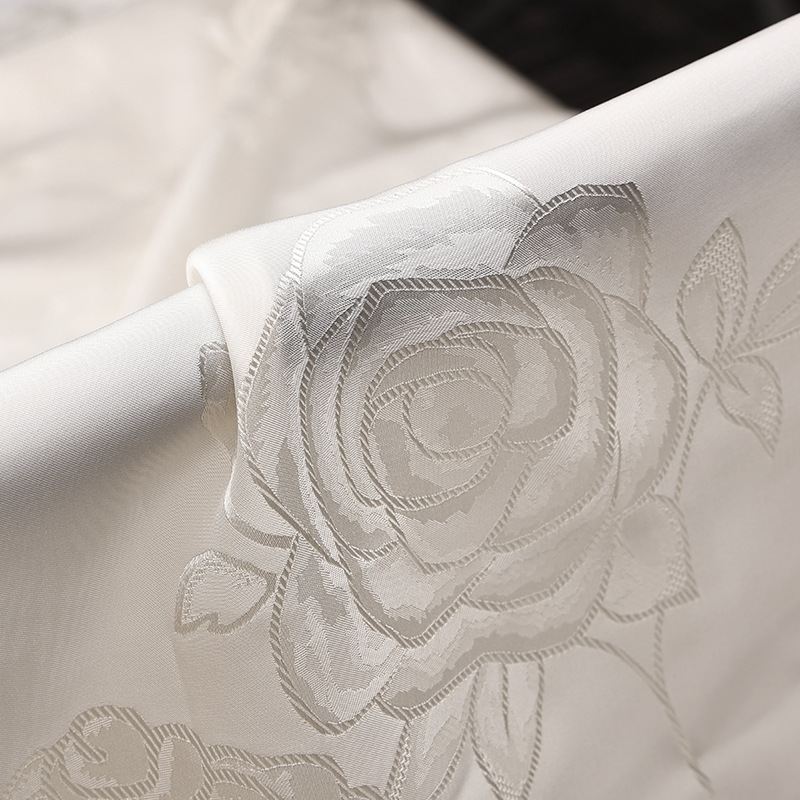
This fabric combines the smoothness and natural sheen of Mulberry Silk with the durability and versatility of Viscose, providing comfort and beauty for a variety of fashion applications.
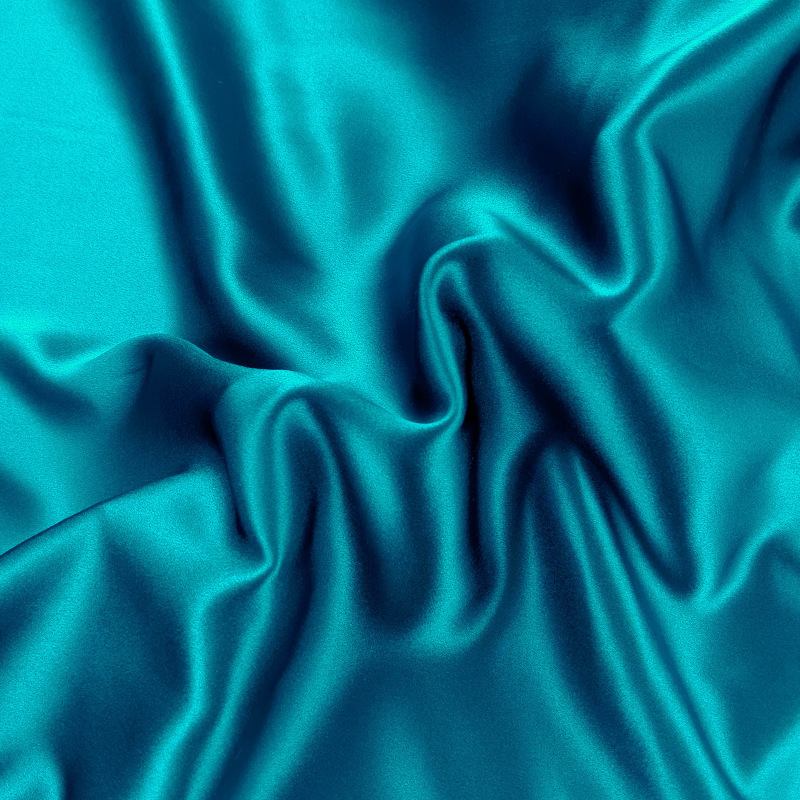
Used for all kinds of high-end silk bedding, such as silk four-piece sets, pillowcases, sheets, quilt covers, as well as silk scarves, summer pajamas, ladies' fashions and formal dresses, etc.
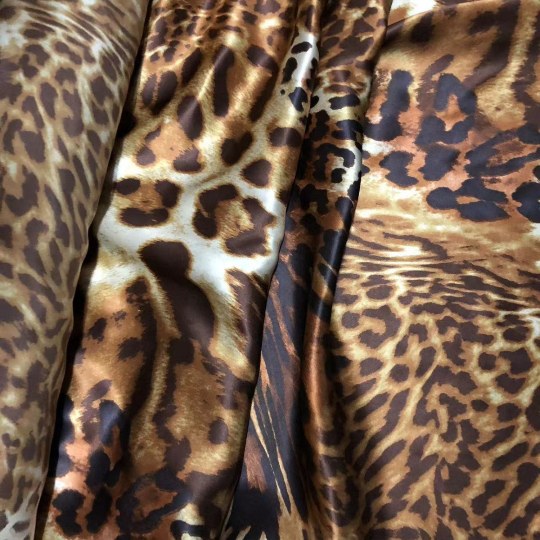
Leopard Jacquard Fabric is a luxurious and versatile textile characterized by its intricate woven patterns and elegant design.
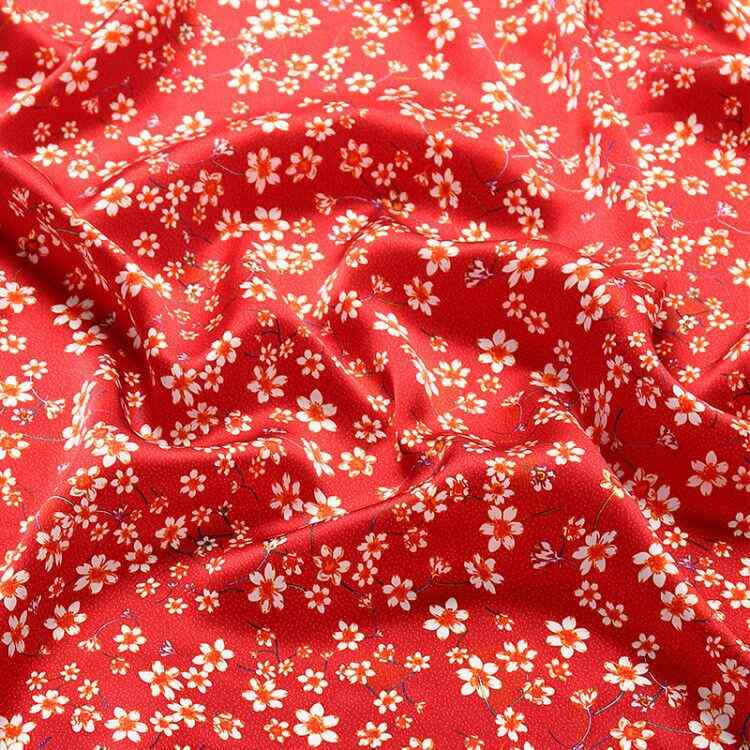
Floral Silk Fabric, crafted from Mulberry silk with a width of 140CM, a thickness of 16mm, and a weight of 68gsm, is ideal for creating elegant dresses, summer and spring outfits, luxurious sleepwear, and refined accessories like scarves and ties.
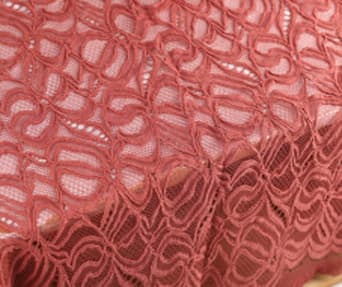
The best way to care for and wash Lace Fabric is to clean it gently using cold or lukewarm water and a mild detergent. Hand washing is recommended for delicate lace, while machine washing should only be done on a gentle cycle with the fabric placed inside
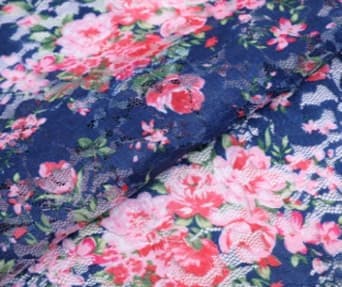
Lace Fabric can be made from a variety of materials, including cotton, polyester, nylon, rayon, silk, and spandex. Each material offers different characteristics such as softnes
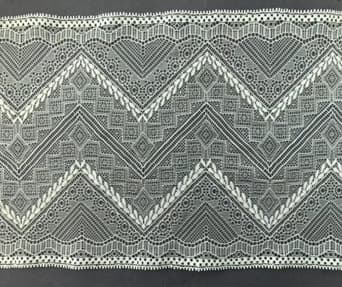
Corded lace is one of the most elegant and structurally rich types of lace used in fashion and textile design. It is widely applied in bridal gowns, evening dresses, lingerie, and decorative fabrics due to its raised outlines and three-dimensional texture. Unlike flat lace, corded lace is created by adding extra yarns or cords to emphasize floral or geometric patterns, making it more luxurious and visually striking.
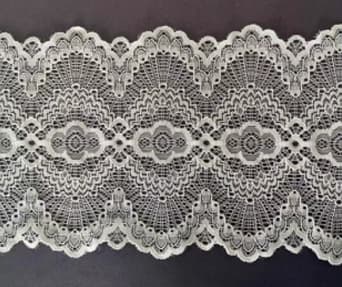
Corded lace is suitable for wedding dresses, evening gowns, blouses, skirts, lingerie, jackets, children's wear, and fashion accessories. Its raised embroidered patterns create a textured and elegant look that enhances both luxury and casual garments. Whether used as white lace or black corded lace fabric, it remains a versatile material widely used in modern fashion design.
Whatsapp: +86-137-1297-3009
Contact: Sophie Liao
Mailbox: sophie@chuanchencrafts.com
Add:Room 304, No.11, Jiaoyu Road, ZhangCun, Dongcheng Street, Dongguan City- 523112, China.

Wechat customer service
Copyright © 2026 Dongguan Chuanchen Craft Products Co., Ltd All rights reserved.