Lace is a decorative textile known for its openwork structure, delicate patterns, and versatile appearance. It is widely used in clothing, lingerie, wedding dresses, Home Textiles, accessories, and decorative applications. But when choosing lace, one common question comes up: What is the best lace made of?
There is no single material that is best for every application. The ideal lace depends on the required softness, durability, elasticity, appearance, cost, and manufacturing process. Common materials include cotton, polyester, nylon, rayon, and blended fibers. Each material gives the finished lace different characteristics, which makes material selection an important part of lace production.
The material used to manufacture lace has a direct influence on its texture, strength, stretch, appearance, and service life. Traditional lace was often made from natural fibers, while modern textile production uses a much wider range of synthetic and blended materials.
Cotton is a popular natural fiber for lace because it provides a soft, breathable, and relatively comfortable surface. Cotton lace is commonly found in apparel, baby products, home textiles, and decorative fabric. Its natural appearance makes it suitable for products where a soft and traditional textile feel is important.
However, cotton fibers can be more susceptible to shrinkage and deformation than synthetic fibers. Cotton lace may also require more careful washing and finishing to maintain its original shape.
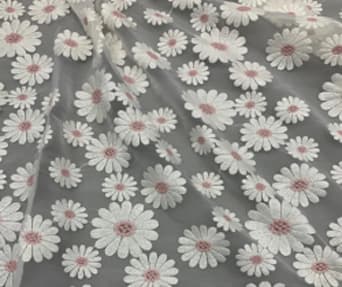
Polyester is one of the most widely used synthetic fibers in modern lace manufacturing. It offers good tensile strength, dimensional stability, abrasion resistance, and color retention. Polyester lace can also be produced efficiently in large quantities, making it suitable for commercial apparel and decorative products.
Another advantage is its relatively low maintenance requirement. Polyester generally resists wrinkles and retains its shape well, which is useful for garments and decorative components that need consistent appearance.
Nylon is valued for its strength, flexibility, and lightweight structure. It can produce lace with a fine and delicate appearance while maintaining good mechanical performance. Nylon is frequently used in lingerie, underwear, fashion garments, lace trim, and stretch applications.
When combined with elastane or other stretch fibers, nylon can create flexible lace that follows body movement while maintaining its decorative pattern.
Rayon can provide a smooth surface, soft hand feel, and attractive drape. It is often selected when the visual and tactile qualities of natural fibers are desired. Depending on the specific type and finishing process, regenerated fibers can create a more fluid and elegant appearance.
However, material selection must consider strength, moisture behavior, washing conditions, and the requirements of the final application.
Unlike a solid piece of woven fabric, lace is characterized by an openwork structure. The yarns are arranged and interconnected to create decorative patterns while leaving intentional spaces within the fabric.
During production, yarns are controlled according to a predetermined pattern. The textile structure is created through processes such as knitting, weaving, embroidery, or specialized lace-making techniques. The interaction between yarn tension, stitch structure, pattern design, and finishing determines the final appearance and performance of the lace.
For example, knitted lace is formed by loops of yarn that are interconnected to create an open structure. Because knitted structures can incorporate stretch, they are particularly suitable for garments that require flexibility.
In contrast, woven lace is produced by interlacing yarns according to a designed pattern. The resulting structure can provide good dimensional stability and a more structured appearance.
Embroidery Lace follows a different production principle. A decorative pattern is embroidered onto a base material and may subsequently undergo processes such as cutting, chemical treatment, or removal of the supporting fabric. This creates complex motifs and detailed decorative effects.
Modern lace manufacturing generally involves several stages, from fiber and yarn selection to pattern development, textile formation, dyeing, finishing, inspection, and packaging.
1. Material and yarn selection: Manufacturers select cotton, polyester, nylon, rayon, elastane, or blended yarn according to the intended application. Yarn count, fiber properties, color, strength, and elasticity are considered during this stage.
2. Pattern development: A lace pattern is designed based on the required visual effect and product specifications. Modern manufacturers may use computer-aided textile design systems to develop and adjust intricate motifs.
3. Lace formation: The selected yarn is processed through the appropriate textile machinery. Depending on the product, this can involve knitting, weaving, embroidery, or specialized lace-making equipment.
4. Dyeing and coloration: The unfinished lace can be dyed to achieve the required color. Dye selection and temperature control are important for achieving consistent color penetration and color fastness.
5. Finishing: Finishing processes can improve softness, dimensional stability, elasticity, surface appearance, and handle. Some products may also require heat setting, coating, washing, or other specialized treatments.
6. Inspection and cutting: Finished lace is inspected for defects such as broken yarns, uneven patterns, holes, color variation, and dimensional inconsistencies. It may then be cut into rolls, strips, panels, or customized shapes.
This manufacturing process allows manufacturers to control both the decorative appearance and functional properties of the final lace product.
Each material has its own balance of advantages and limitations. Understanding these differences can make it easier to select the appropriate lace for a particular product.
| Material | Advantages | Potential Limitations | Common Applications |
|---|---|---|---|
| Cotton | Soft, breathable, natural feel | May shrink or lose shape | Apparel, baby products, home textiles |
| Polyester | Strong, durable, stable, easy to maintain | Less natural hand feel | Garments, decoration, lace trim |
| Nylon | Lightweight, flexible, strong | May require specific care | Lingerie, underwear, stretch garments |
| Rayon | Soft, smooth, good drape | May have lower durability depending on construction | Fashion garments and decorative textiles |
| Blended fibers | Can balance multiple properties | More complex material selection | Performance-oriented textile products |
The best lace material should be selected according to the requirements of the finished product rather than appearance alone.
For lingerie and underwear, nylon and nylon-elastane blends are often suitable because they can provide a lightweight structure, flexibility, and stretch. The lace needs to move comfortably with the garment while maintaining its decorative pattern.
For wedding dresses and formal fashion, manufacturers may prioritize appearance, drape, pattern detail, and surface texture. Polyester, rayon, cotton, and blended lace can all be used depending on the desired aesthetic.
For everyday clothing, polyester lace can be an attractive option when durability, dimensional stability, and ease of care are important. Cotton lace may be preferred when softness and a natural textile feel are more important.
For lace trim, the choice depends on the attachment method and the characteristics of the garment or textile. The trim should have suitable flexibility, edge stability, color fastness, and dimensional consistency.
For decorative applications, material selection is often driven by appearance, pattern definition, durability, and cost. Synthetic fibers can provide consistent production quality and a broad range of colors and structures.
Material is only one part of the selection process. Buyers and manufacturers should also consider yarn construction, lace structure, pattern density, elasticity, width, thickness, edge treatment, color fastness, washing requirements, and the intended end use.
For products exposed to frequent stretching, elasticity and recovery are particularly important. For products that require a stable shape, dimensional stability should receive more attention. For garments worn directly against the skin, softness and comfort may be more important than maximum tensile strength.
Manufacturing requirements should also be considered. A complex lace pattern may require specialized machinery and tighter process control. If the product requires custom patterns, custom colors, specific widths, or special finishing, these requirements should be confirmed with the manufacturer before mass production.
Polyester has become an important material in modern lace production because it offers a practical combination of strength, stability, processability, and cost efficiency. It can be manufactured into fine yarns and processed into detailed patterns while maintaining relatively consistent dimensions.
Polyester also works well with different textile finishing techniques. Manufacturers can modify the surface appearance, softness, color, and handle to meet different product requirements. This versatility makes polyester particularly useful for large-scale production and customized textile products.
However, polyester is not automatically the best choice for every product. If breathability, natural fiber characteristics, or a specific hand feel are the primary requirements, cotton or other fibers may be more appropriate. In applications where stretch is essential, a blended construction containing elastane may provide better performance.
So, what is the best lace made of? The answer depends on what the lace needs to do. Cotton is a strong choice when softness, breathability, and a natural appearance are important. Polyester offers durability, dimensional stability, and efficient production. Nylon provides lightweight strength and flexibility, while rayon can deliver softness and attractive drape. Blended fibers can combine several properties into one textile structure.
The best lace is therefore not determined by one material alone. A suitable combination of fiber selection, yarn construction, lace structure, pattern design, manufacturing process, and finishing treatment is what determines the final performance. By considering these factors together, buyers, designers, and manufacturers can select lace that matches both the visual requirements and functional needs of the finished product.

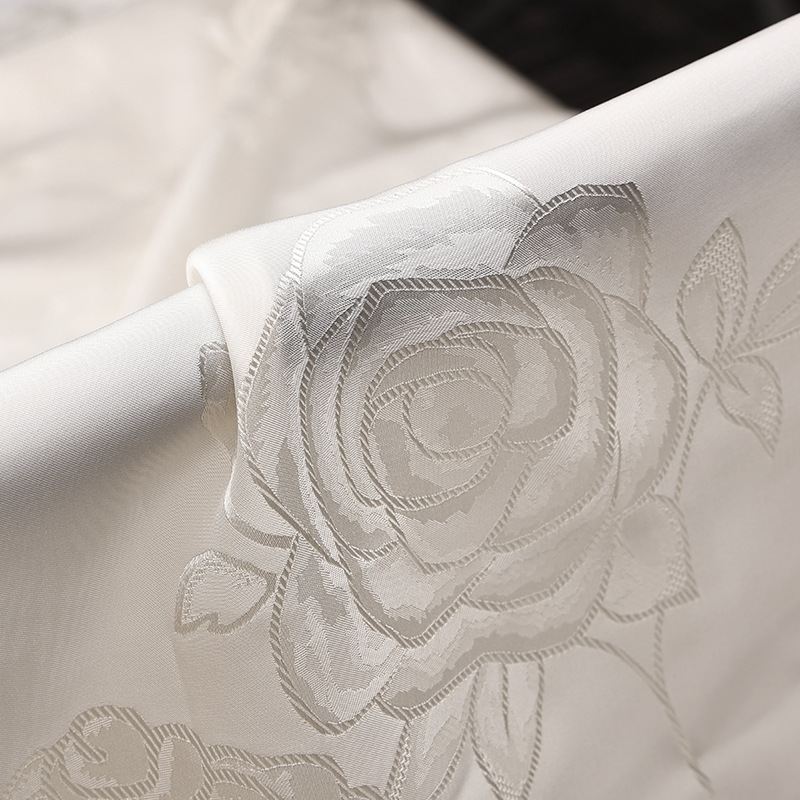
This fabric combines the smoothness and natural sheen of Mulberry Silk with the durability and versatility of Viscose, providing comfort and beauty for a variety of fashion applications.
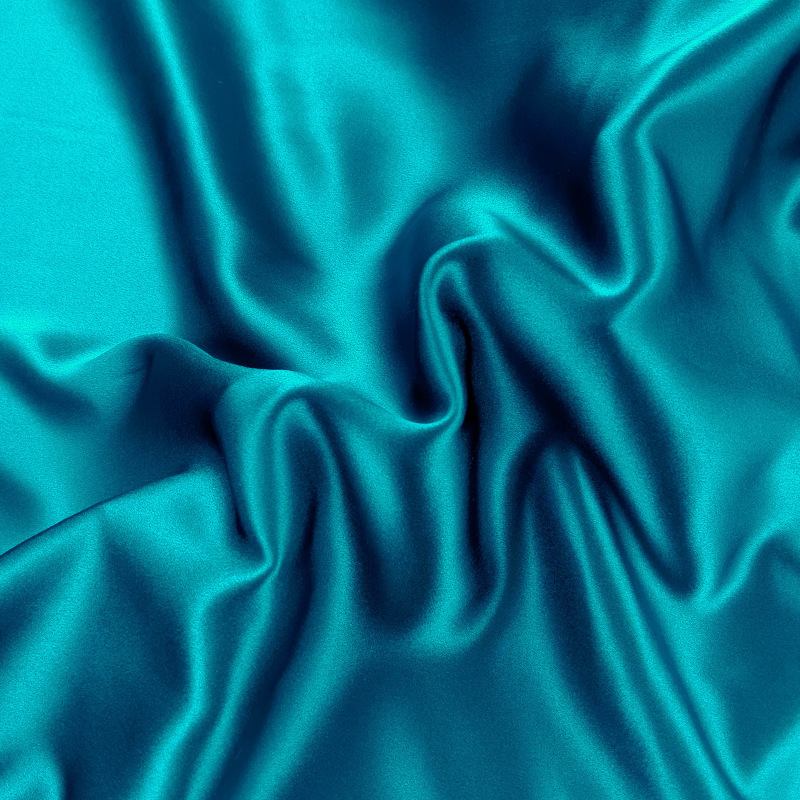
Used for all kinds of high-end silk bedding, such as silk four-piece sets, pillowcases, sheets, quilt covers, as well as silk scarves, summer pajamas, ladies' fashions and formal dresses, etc.
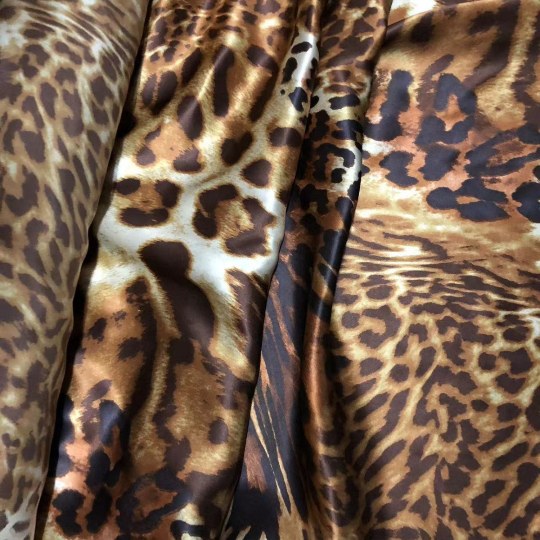
Leopard Jacquard Fabric is a luxurious and versatile textile characterized by its intricate woven patterns and elegant design.
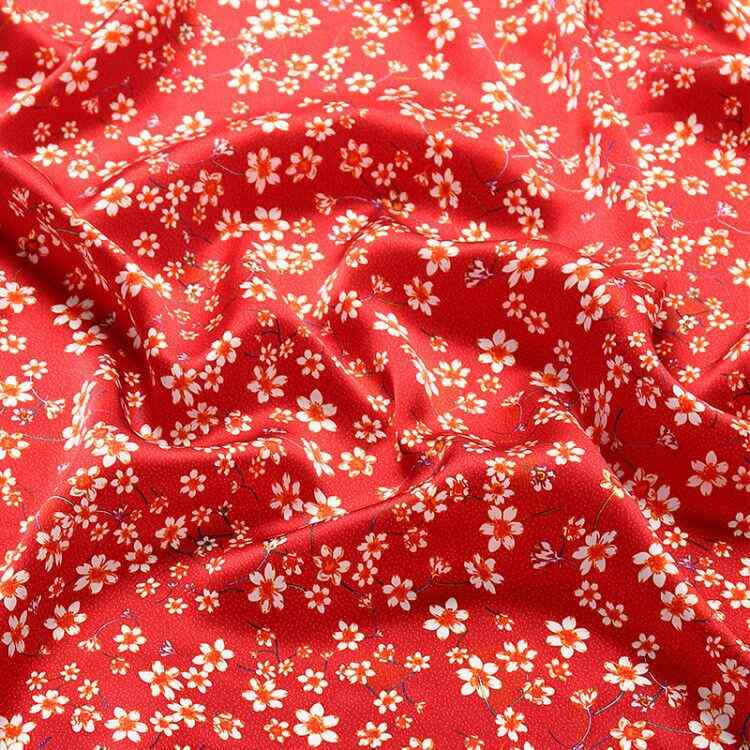
Floral Silk Fabric, crafted from Mulberry silk with a width of 140CM, a thickness of 16mm, and a weight of 68gsm, is ideal for creating elegant dresses, summer and spring outfits, luxurious sleepwear, and refined accessories like scarves and ties.
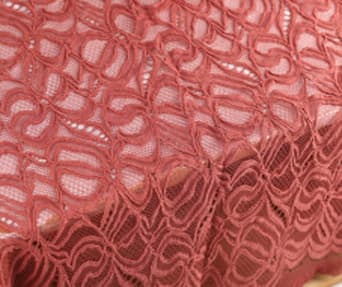
The best way to care for and wash Lace Fabric is to clean it gently using cold or lukewarm water and a mild detergent. Hand washing is recommended for delicate lace, while machine washing should only be done on a gentle cycle with the fabric placed inside
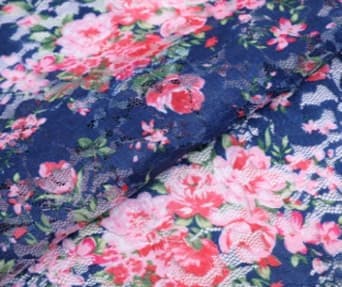
Lace Fabric can be made from a variety of materials, including cotton, polyester, nylon, rayon, silk, and spandex. Each material offers different characteristics such as softnes
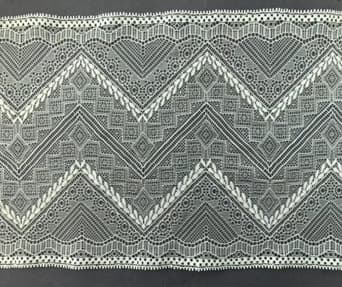
Corded lace is one of the most elegant and structurally rich types of lace used in fashion and textile design. It is widely applied in bridal gowns, evening dresses, lingerie, and decorative fabrics due to its raised outlines and three-dimensional texture. Unlike flat lace, corded lace is created by adding extra yarns or cords to emphasize floral or geometric patterns, making it more luxurious and visually striking.
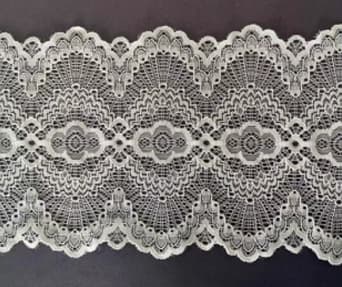
Corded lace is suitable for wedding dresses, evening gowns, blouses, skirts, lingerie, jackets, children's wear, and fashion accessories. Its raised embroidered patterns create a textured and elegant look that enhances both luxury and casual garments. Whether used as white lace or black corded lace fabric, it remains a versatile material widely used in modern fashion design.
Whatsapp: +86-137-1297-3009
Contact: Sophie Liao
Mailbox: sophie@chuanchencrafts.com
Add:Room 304, No.11, Jiaoyu Road, ZhangCun, Dongcheng Street, Dongguan City- 523112, China.

Wechat customer service
Copyright © 2026 Dongguan Chuanchen Craft Products Co., Ltd All rights reserved.