Eyelash Lace is commonly made from synthetic fibers such as polyester, nylon, or a blend of different textile fibers. Polyester is widely used because it provides good durability, dimensional stability, color retention, and cost efficiency. Nylon can create a softer, smoother, and more flexible lace with a delicate appearance. Depending on the intended application, manufacturers may also use cotton, rayon, spandex, or blended fibers. The material selected affects the texture, stretch, appearance, durability, dyeing performance, and final application of the Eyelash Lace.
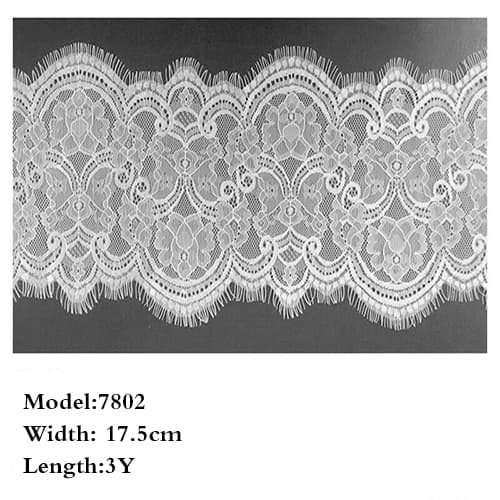
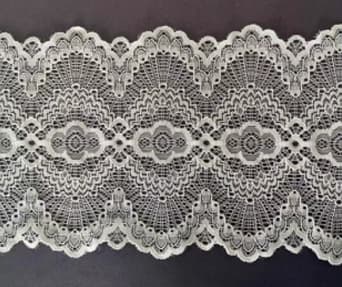
Eyelash Lace is a decorative lace characterized by its distinctive eyelash-like fringe along one or both edges. The fine, irregular threads extending from the edge create a soft and delicate visual effect, making this type of lace popular in fashion, lingerie, wedding dresses, evening wear, accessories, and decorative textile products.
Unlike lace with a clean-cut or straight border, Eyelash Lace is designed with a decorative edge that can be incorporated directly into a garment or textile design. The edge itself can become part of the visual pattern rather than simply functioning as a finishing border.
Polyester is one of the most common materials used for Eyelash Lace. It offers a practical balance between appearance, durability, manufacturing efficiency, and cost.
Polyester fibers can be manufactured in different thicknesses and structures to create different lace textures. They also have good resistance to shrinking and stretching, which helps the finished lace maintain its shape during handling and garment production.
For manufacturers producing lace in large quantities, polyester is particularly useful because it can be dyed into a wide range of colors and is suitable for many automated textile manufacturing processes.
Nylon is another popular material for Eyelash Lace, particularly when a softer and more flexible feel is required. Nylon fibers can produce a smooth surface and delicate appearance while maintaining good tensile strength.
Nylon lace is often selected for products where softness and flexibility are important, including lingerie, intimate apparel, lightweight garments, and decorative fashion applications.
Compared with some polyester constructions, nylon Eyelash Lace may provide a softer hand feel, although the final characteristics depend heavily on yarn type, fabric construction, finishing, and fiber blend.
Cotton can also be used to produce lace, especially when a natural fiber appearance and breathable textile feel are desired. Cotton-based Eyelash Lace can have a more natural texture than synthetic alternatives.
However, cotton behaves differently from polyester and nylon during washing, dyeing, and finishing. It can absorb moisture more readily and may be more susceptible to shrinkage. For this reason, manufacturers need to consider the intended end use before selecting cotton as the primary material.
Rayon can be incorporated into lace to provide a soft hand feel and an attractive drape. It is often considered when a lace design needs a smooth, fluid appearance.
Because rayon has different moisture and strength characteristics from synthetic fibers, manufacturers need to select suitable yarn specifications and finishing processes to achieve the required performance.
Some Eyelash Lace products incorporate spandex or another elastic fiber when stretch and recovery are important. Stretch Lace can conform more easily to the body and is commonly used in lingerie, underwear, fitted garments, and other applications where flexibility is required.
Adding elastic fibers can change the way the lace behaves during cutting and sewing. The fabric may stretch during handling, so production teams need to control tension carefully to maintain accurate dimensions.
The material is not simply a specification on a product sheet. It directly influences how the Eyelash Lace looks, feels, performs, and behaves during manufacturing.
Texture: Different fibers create different levels of softness, smoothness, stiffness, and surface texture.
Stretch: Spandex and elastic blends can provide additional flexibility and recovery.
Durability: Synthetic fibers can provide good resistance to repeated handling and use.
Appearance: Fiber type affects sheen, transparency, drape, and the definition of the lace pattern.
Color: Different fibers have different dyeing characteristics and color performance.
Care requirements: Material composition affects washing, drying, ironing, and storage requirements.
Cost: Fiber selection contributes to raw material costs and the final price of the lace.
Yes. Blended fibers are commonly used when manufacturers need to combine different performance characteristics. For example, a polyester and spandex blend can provide the durability and dimensional stability of polyester while adding stretch.
Other blends can be developed to achieve a specific combination of softness, elasticity, appearance, strength, or cost efficiency. The exact blend depends on the manufacturer's production capabilities and the buyer's requirements.
The intended application should be considered before selecting the material. Lingerie manufacturers may prioritize softness, stretch, and comfort, while wedding dress manufacturers may place greater emphasis on appearance, pattern definition, and decorative effect.
For fashion garments, color consistency and edge appearance can be especially important. For products that require repeated washing, dimensional stability and durability may receive greater attention.
When sourcing Eyelash Lace, buyers should request detailed material and product specifications rather than evaluating the lace only from photographs.
What is the fiber composition?
What yarn specifications are used?
Is the lace stretch or non-stretch?
What are the available widths?
What colors are available?
Can custom patterns be produced?
What finishing treatments are available?
What is the minimum order quantity?
Can samples be provided before bulk production?
What are the recommended washing and care conditions?
Start with the final application. If softness and flexibility are priorities, nylon or stretch blends may be suitable. If durability, color stability, and production efficiency are important, polyester can be a practical option. If a natural fiber appearance is required, cotton may be considered.
It is also important to evaluate the complete lace construction rather than the fiber alone. Yarn size, knitting or weaving structure, pattern density, edge construction, dyeing, and finishing can all significantly influence the final performance of the product.
Eyelash Lace can be produced from polyester, nylon, cotton, rayon, spandex, and various blended fibers. Polyester and nylon are particularly common because they provide a useful combination of durability, appearance, flexibility, and manufacturing efficiency. However, there is no single material that is suitable for every application.
For buyers and garment manufacturers, the best material depends on the required softness, stretch, appearance, durability, color, care requirements, and production conditions. Comparing material composition together with actual samples and technical specifications can help ensure that the selected Eyelash Lace meets the requirements of the final product.

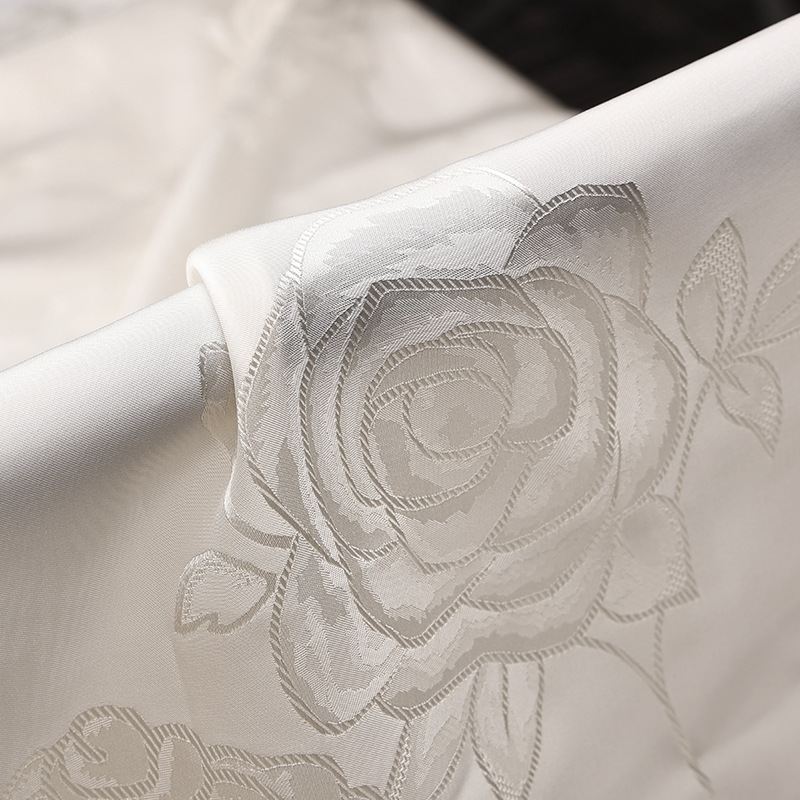
This fabric combines the smoothness and natural sheen of Mulberry Silk with the durability and versatility of Viscose, providing comfort and beauty for a variety of fashion applications.
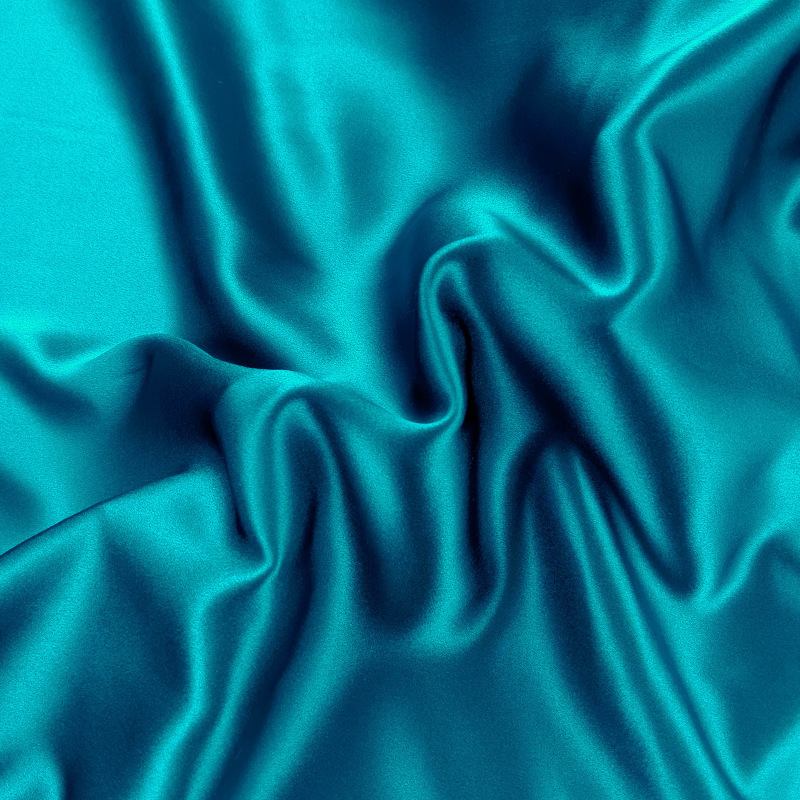
Used for all kinds of high-end silk bedding, such as silk four-piece sets, pillowcases, sheets, quilt covers, as well as silk scarves, summer pajamas, ladies' fashions and formal dresses, etc.
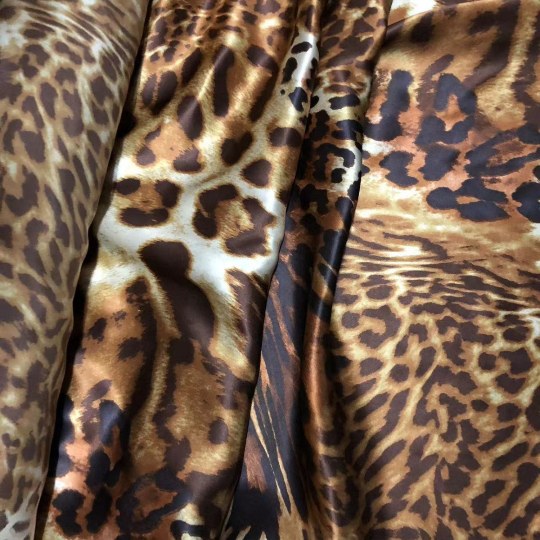
Leopard Jacquard Fabric is a luxurious and versatile textile characterized by its intricate woven patterns and elegant design.
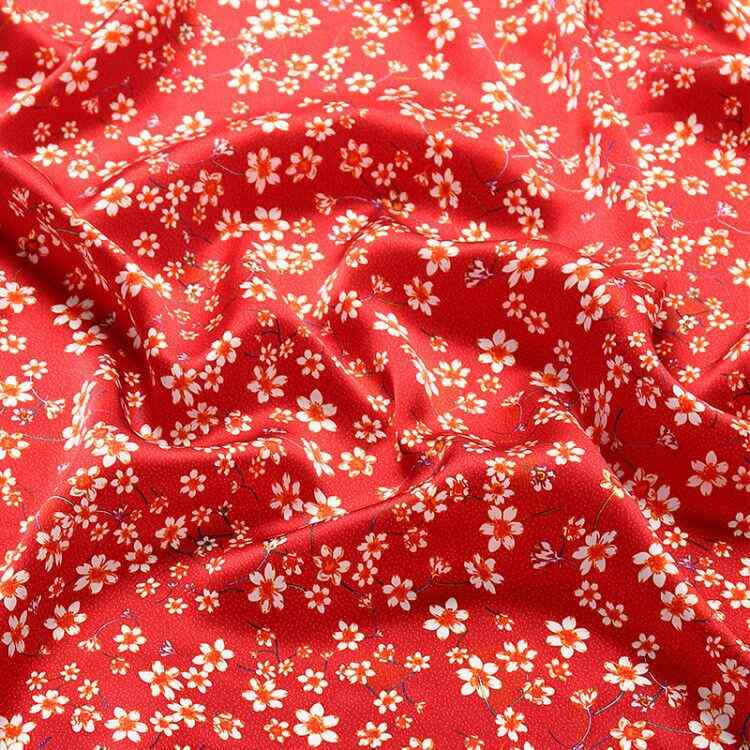
Floral Silk Fabric, crafted from Mulberry silk with a width of 140CM, a thickness of 16mm, and a weight of 68gsm, is ideal for creating elegant dresses, summer and spring outfits, luxurious sleepwear, and refined accessories like scarves and ties.
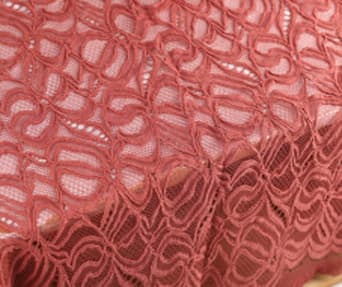
The best way to care for and wash Lace Fabric is to clean it gently using cold or lukewarm water and a mild detergent. Hand washing is recommended for delicate lace, while machine washing should only be done on a gentle cycle with the fabric placed inside
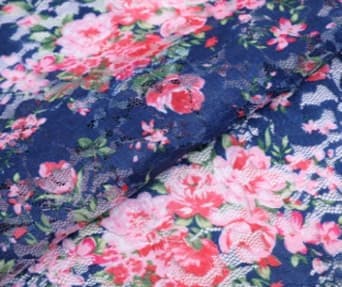
Lace Fabric can be made from a variety of materials, including cotton, polyester, nylon, rayon, silk, and spandex. Each material offers different characteristics such as softnes
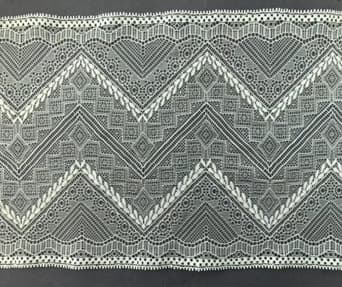
Corded lace is one of the most elegant and structurally rich types of lace used in fashion and textile design. It is widely applied in bridal gowns, evening dresses, lingerie, and decorative fabrics due to its raised outlines and three-dimensional texture. Unlike flat lace, corded lace is created by adding extra yarns or cords to emphasize floral or geometric patterns, making it more luxurious and visually striking.
Corded lace is suitable for wedding dresses, evening gowns, blouses, skirts, lingerie, jackets, children's wear, and fashion accessories. Its raised embroidered patterns create a textured and elegant look that enhances both luxury and casual garments. Whether used as white lace or black corded lace fabric, it remains a versatile material widely used in modern fashion design.
Whatsapp: +86-137-1297-3009
Contact: Sophie Liao
Mailbox: sophie@chuanchencrafts.com
Add:Room 304, No.11, Jiaoyu Road, ZhangCun, Dongcheng Street, Dongguan City- 523112, China.

Wechat customer service
Copyright © 2026 Dongguan Chuanchen Craft Products Co., Ltd All rights reserved.