To cut Eyelash Lace without damaging its decorative edge, use sharp fabric scissors or an appropriate rotary cutter, identify the intended cutting line before cutting, and avoid pulling or stretching the lace during the process. The eyelash edge should be protected from unnecessary handling because the fine threads can become distorted or pulled out. For production work, cutting the lace on a stable, flat surface and controlling fabric tension are important. When the lace contains elastic fibers, additional care is required because stretching during cutting can cause inaccurate dimensions or an uneven edge.
Eyelash Lace has a distinctive decorative fringe that extends from the edge of the lace. These fine threads are intentionally designed to create an eyelash-like appearance, but they can also be more delicate than the main lace structure.
During cutting, excessive tension, blunt scissors, incorrect cutting positions, or rough handling can distort the decorative edge. A poorly controlled cutting process may result in uneven fringe, loose threads, damaged patterns, or inconsistent dimensions.
For this reason, cutting Eyelash Lace requires more attention than cutting a standard woven or knitted fabric with a straight edge.
Sharp fabric scissors are suitable for small quantities, samples, garment production, and manual cutting. The blades should be clean and sharp enough to make a smooth cut without repeatedly opening and closing the scissors on the same section.
Using dull scissors can cause the lace to shift during cutting. This can increase the risk of pulling delicate threads and producing an uneven edge.
A rotary cutter can be useful when cutting long sections of lace or multiple pieces that require consistent cutting lines. It allows the operator to move along a predetermined line while maintaining relatively consistent pressure.
A suitable cutting mat should be used underneath the lace to protect the work surface and maintain cutting accuracy.
For repeated production, a paper pattern, template, or digital cutting file can help maintain consistent dimensions. This is particularly useful when the same Eyelash Lace trim is used across multiple garment styles.
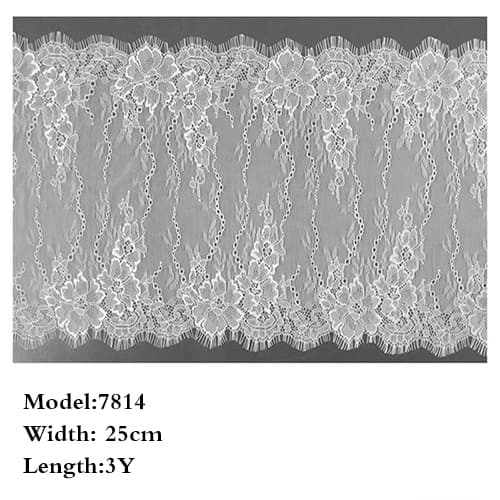
Before cutting, place the lace on a clean, flat surface and inspect both edges. Check whether the decorative eyelash fringe is evenly distributed and identify the actual structural edge of the lace.
Do not pull the lace tightly to make it appear straighter. Stretching can temporarily change the width and pattern alignment, particularly when the lace contains spandex or other elastic fibers.
If the material has visible wrinkles, gently flatten it according to the manufacturer's care recommendations rather than applying excessive heat.
The cutting line should be established before the scissors touch the lace. For garment production, the position should be determined according to the pattern and the desired placement of the decorative edge.
Use a suitable fabric marking tool when necessary and avoid marking directly across highly visible decorative areas unless the marking can be completely removed.
When the eyelash edge itself is intended to remain visible, avoid cutting through the decorative fringe unless the design specifically requires it.
Lay the lace flat: Place the Eyelash Lace on a clean, stable surface without stretching it.
Inspect the pattern: Identify the repeat, decorative edge, and intended seam allowance.
Mark the cutting line: Use the garment pattern or production measurement to establish the correct line.
Secure the material: Keep the lace stable without compressing or distorting the decorative edge.
Use sharp tools: Cut with sharp fabric scissors or a suitable rotary cutter.
Follow the pattern: Maintain a smooth cutting motion rather than making repeated small cuts.
Handle the edge carefully: Avoid pulling the eyelash fringe immediately after cutting.
Inspect the finished piece: Check the edge, dimensions, pattern alignment, and loose threads before sewing.
It depends on the design. In many applications, the decorative eyelash edge is intentionally preserved because it provides the distinctive visual character of the lace.
If the lace is being used as a trim, the eyelash edge may be positioned directly along the visible edge of a garment. Cutting through this section can remove the decorative effect and make the finished product look different from the original design.
When the pattern requires a section of the eyelash edge to be removed, the cutting line should be carefully planned to minimize damage to the remaining decorative threads.
Stretch Eyelash Lace requires additional care because the material can change dimensions when tension is applied. The most important principle is to avoid stretching the lace while measuring and cutting.
Lay the material naturally on the cutting table and allow it to return to its relaxed state before marking the pattern. When possible, use a stable cutting surface and avoid pulling one side of the lace while cutting the other.
For production environments, the cutting process should also account for the direction of stretch. This helps ensure that the finished garment receives the intended amount of elasticity.
Not every Eyelash Lace requires edge treatment because the decorative eyelash edge is intentionally unfinished-looking. However, the structural edge created by cutting may require additional handling depending on the lace construction and application.
Possible methods include careful stitching, suitable seam allowances, or other finishing techniques specified by the garment manufacturer. The appropriate method depends on whether the cut edge will remain visible or be enclosed inside a seam.
Do not apply adhesive, heat, or chemical treatments without first confirming that they are compatible with the lace material.
Using dull scissors: This can pull and distort delicate threads.
Stretching the lace: This can cause inaccurate measurements.
Cutting without checking the pattern: The decorative repeat may become misaligned.
Cutting directly through the decorative edge: This can remove the intended eyelash effect.
Handling the fringe excessively: Fine decorative threads can become tangled or distorted.
Ignoring fabric direction: Stretch and pattern direction can affect the final garment.
Skipping inspection: Small cutting defects can become more noticeable after sewing.
For commercial production, consistency is more important than simply cutting one piece correctly. Manufacturers can improve accuracy by standardizing cutting tools, patterns, material handling, and inspection procedures.
Before bulk production begins, it is useful to test the cutting method on a sample section. This allows the production team to confirm whether the selected tool produces a clean cut and whether the decorative eyelash edge remains intact.
For high-volume orders, automated textile cutting equipment may also be considered, particularly when multiple layers or large quantities need to be processed. The equipment settings should be tested against the specific lace construction before production.
After cutting, store the lace flat or roll it carefully according to the material and production requirements. Avoid compressing the eyelash fringe under heavy objects, as prolonged pressure can flatten or distort the decorative threads.
Keep finished pieces away from moisture, excessive heat, sharp objects, and rough surfaces. Proper storage is particularly important when the lace will not be sewn immediately after cutting.
Cutting Eyelash Lace without damaging its decorative edge requires careful preparation, sharp cutting tools, controlled material tension, and accurate pattern positioning. The key is to keep the lace relaxed during measurement and cutting while protecting the fine eyelash fringe from unnecessary pulling or compression.
For small projects, sharp fabric scissors and a stable cutting surface are usually sufficient. For commercial production, standardized patterns, cutting procedures, sample testing, and quality inspection can help maintain consistent results. When working with stretch Eyelash Lace, controlling tension becomes even more important because stretching during cutting can affect the final dimensions and pattern alignment.

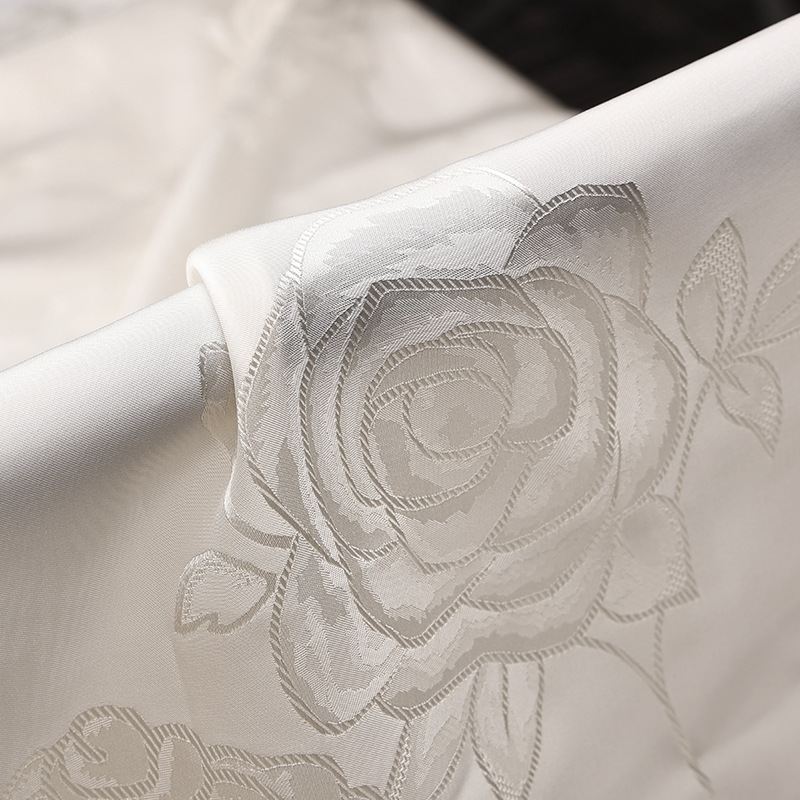
This fabric combines the smoothness and natural sheen of Mulberry Silk with the durability and versatility of Viscose, providing comfort and beauty for a variety of fashion applications.
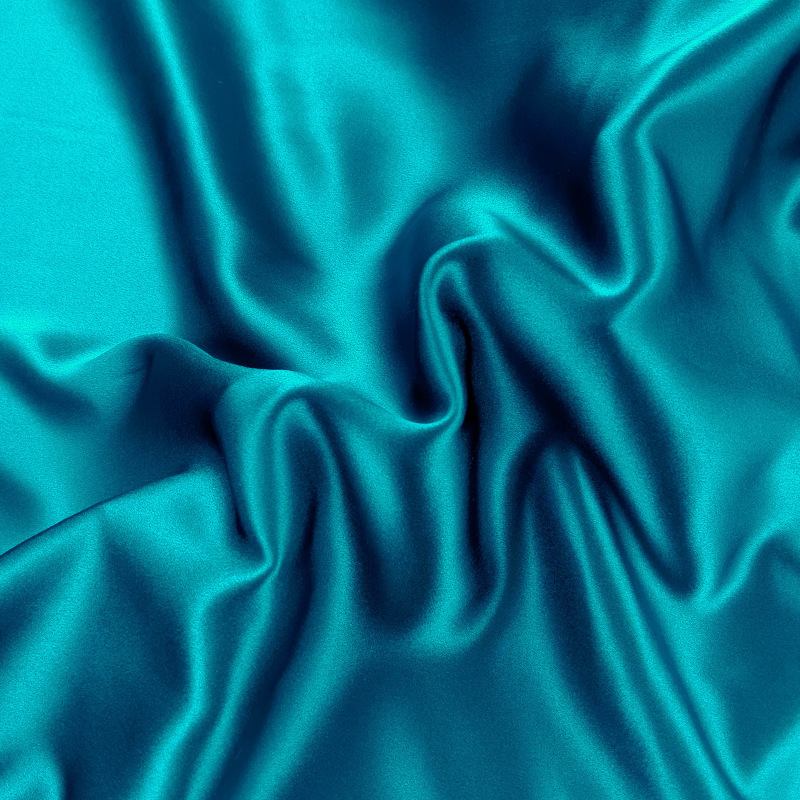
Used for all kinds of high-end silk bedding, such as silk four-piece sets, pillowcases, sheets, quilt covers, as well as silk scarves, summer pajamas, ladies' fashions and formal dresses, etc.
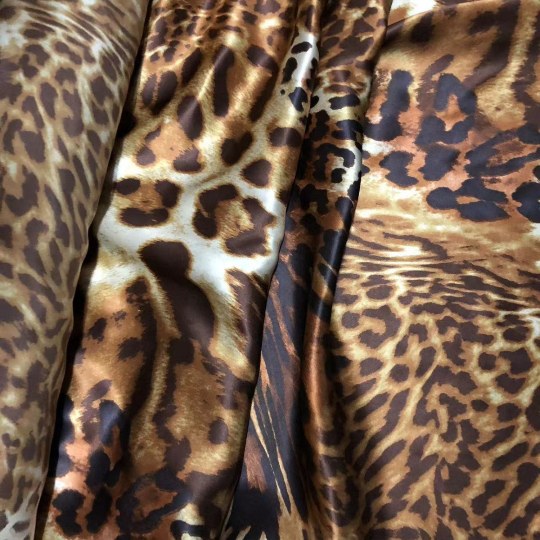
Leopard Jacquard Fabric is a luxurious and versatile textile characterized by its intricate woven patterns and elegant design.
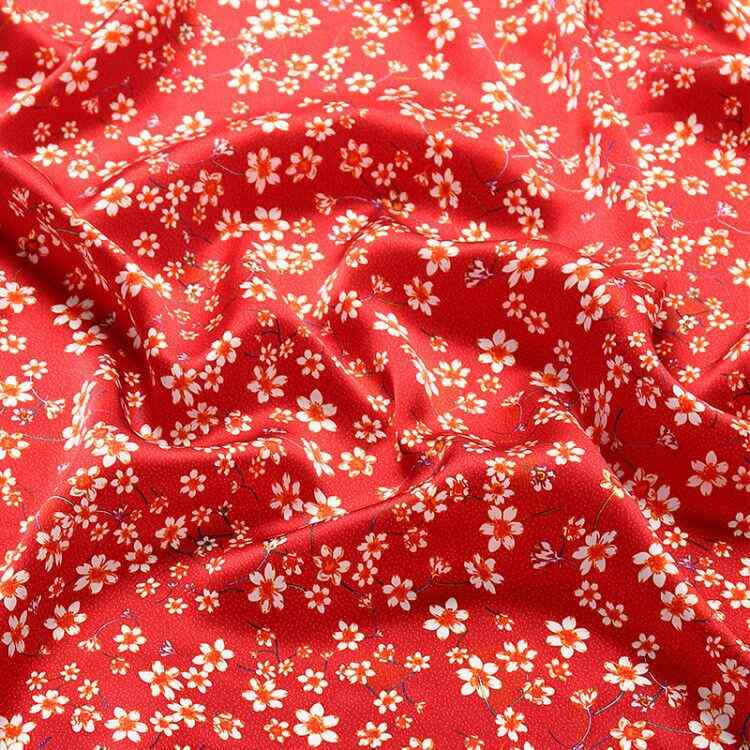
Floral Silk Fabric, crafted from Mulberry silk with a width of 140CM, a thickness of 16mm, and a weight of 68gsm, is ideal for creating elegant dresses, summer and spring outfits, luxurious sleepwear, and refined accessories like scarves and ties.
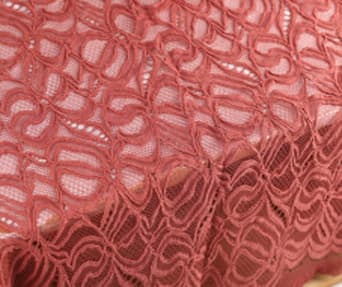
The best way to care for and wash Lace Fabric is to clean it gently using cold or lukewarm water and a mild detergent. Hand washing is recommended for delicate lace, while machine washing should only be done on a gentle cycle with the fabric placed inside
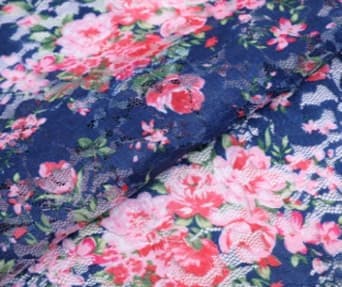
Lace Fabric can be made from a variety of materials, including cotton, polyester, nylon, rayon, silk, and spandex. Each material offers different characteristics such as softnes
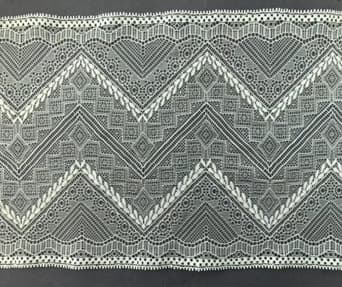
Corded lace is one of the most elegant and structurally rich types of lace used in fashion and textile design. It is widely applied in bridal gowns, evening dresses, lingerie, and decorative fabrics due to its raised outlines and three-dimensional texture. Unlike flat lace, corded lace is created by adding extra yarns or cords to emphasize floral or geometric patterns, making it more luxurious and visually striking.
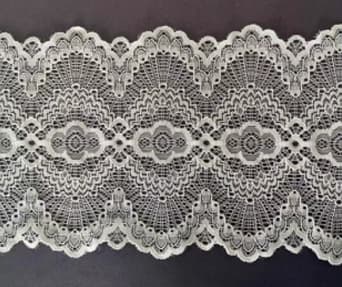
Corded lace is suitable for wedding dresses, evening gowns, blouses, skirts, lingerie, jackets, children's wear, and fashion accessories. Its raised embroidered patterns create a textured and elegant look that enhances both luxury and casual garments. Whether used as white lace or black corded lace fabric, it remains a versatile material widely used in modern fashion design.
Whatsapp: +86-137-1297-3009
Contact: Sophie Liao
Mailbox: sophie@chuanchencrafts.com
Add:Room 304, No.11, Jiaoyu Road, ZhangCun, Dongcheng Street, Dongguan City- 523112, China.

Wechat customer service
Copyright © 2026 Dongguan Chuanchen Craft Products Co., Ltd All rights reserved.