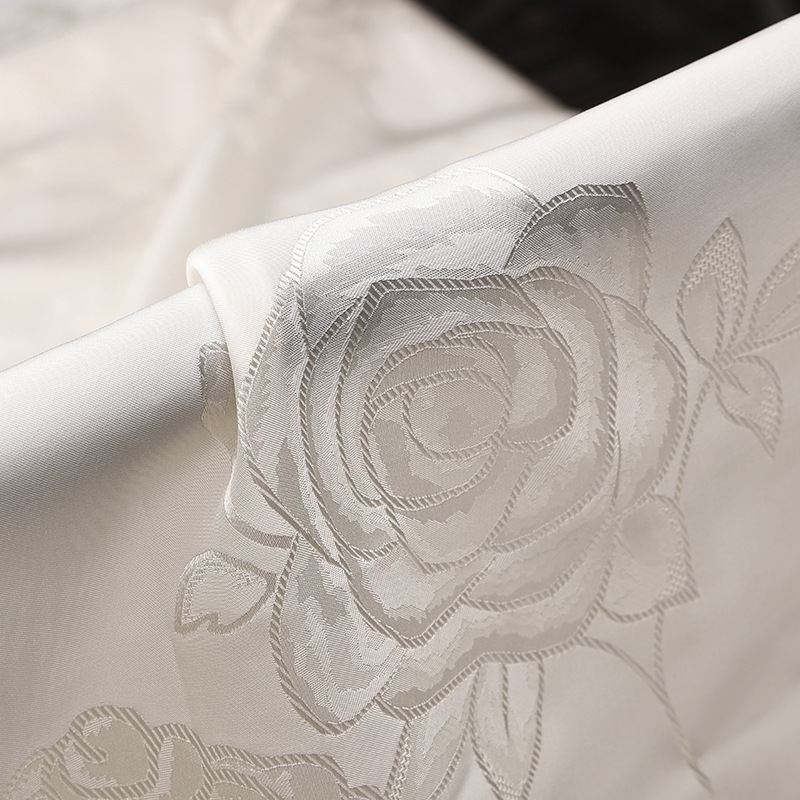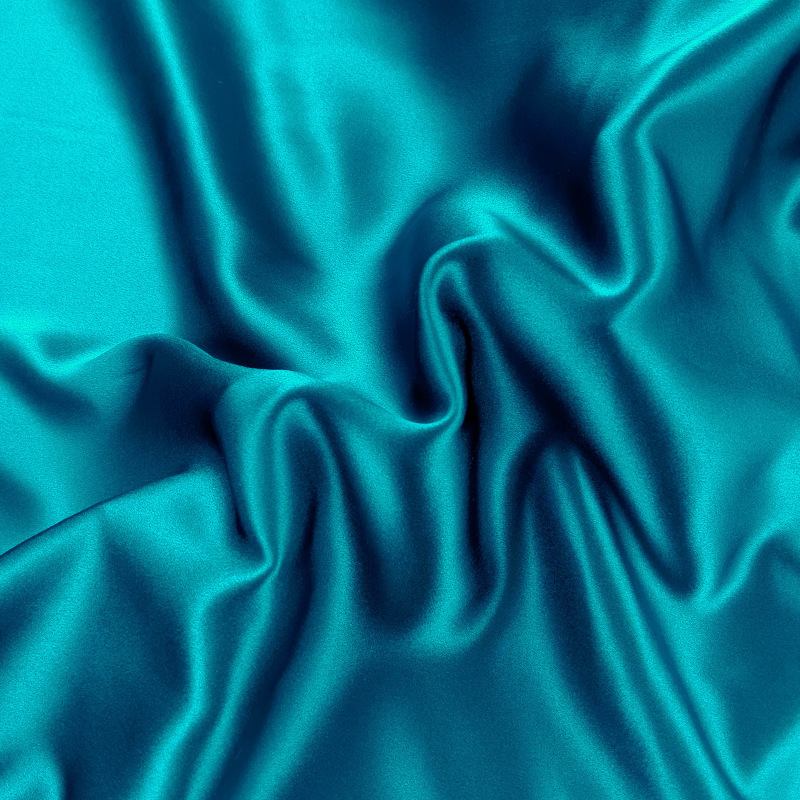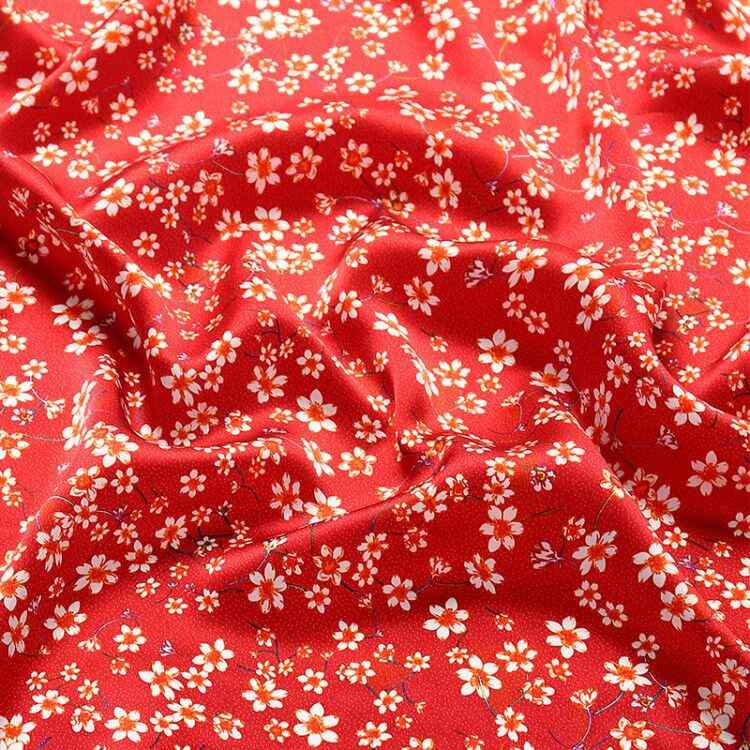

Silk fabric manufacturing transforms silkworm cocoons into finished textiles through cocoon preparation, raw silk reeling, yarn formation, fabric construction, dyeing, and finishing. Each stage affects the fabric's strength, luster, softness, color consistency, and drape. For overseas importers, wholesalers, and textile manufacturers, understanding these processes helps evaluate material quality, production capabilities, and supplier consistency.
From Silkworm Cocoons to Raw Silk
Silk production begins with sericulture, in which silkworms produce cocoons containing continuous protein filaments. The quality of the cocoons establishes the starting point for the entire manufacturing process. Differences in cocoon size, filament length, cleanliness, and defects can affect yarn uniformity and production efficiency.
Before reeling, cocoons are sorted and treated with heat to prepare them for filament extraction. They are then placed in warm water to soften sericin, the natural protein coating that binds the silk filaments together. This treatment makes it easier to locate and unwind the filament ends without excessive breakage.
During raw silk processing, filaments from several cocoons are reeled together to form a continuous thread. The number of filaments combined and the reeling tension influence yarn size, evenness, and strength. Excessive tension can cause filament breakage, while inconsistent filament feeding may produce uneven yarn thickness.
Quality control at this stage focuses on filament uniformity, yarn cleanliness, tensile strength, elongation, and visible defects. Poor-quality raw silk can create weaving interruptions, uneven fabric surfaces, and irregular dye absorption later in production.
Yarn Preparation Determines Fabric Performance
Raw silk is not always ready for direct weaving. Depending on the required fabric construction, manufacturers may wind, double, twist, or steam-set the yarn. These operations improve handling characteristics and establish the yarn structure needed for the intended textile.
Twisting changes yarn cohesion, firmness, and surface character. Higher twist can produce a more compact yarn and contribute to the characteristic texture of crepe fabrics, while lower-twist yarns may be preferred for other fabric constructions. The correct specification depends on the desired drape, texture, and mechanical performance.
Warp preparation requires particular attention because warp yarns experience repeated tension and abrasion during weaving. Uneven winding, inconsistent tension, or weak yarn sections can cause frequent breaks and reduce loom efficiency. Manufacturers therefore inspect yarn evenness and strength and control winding tension before the yarn enters fabric production.
How Weaving Creates Different Silk Fabrics
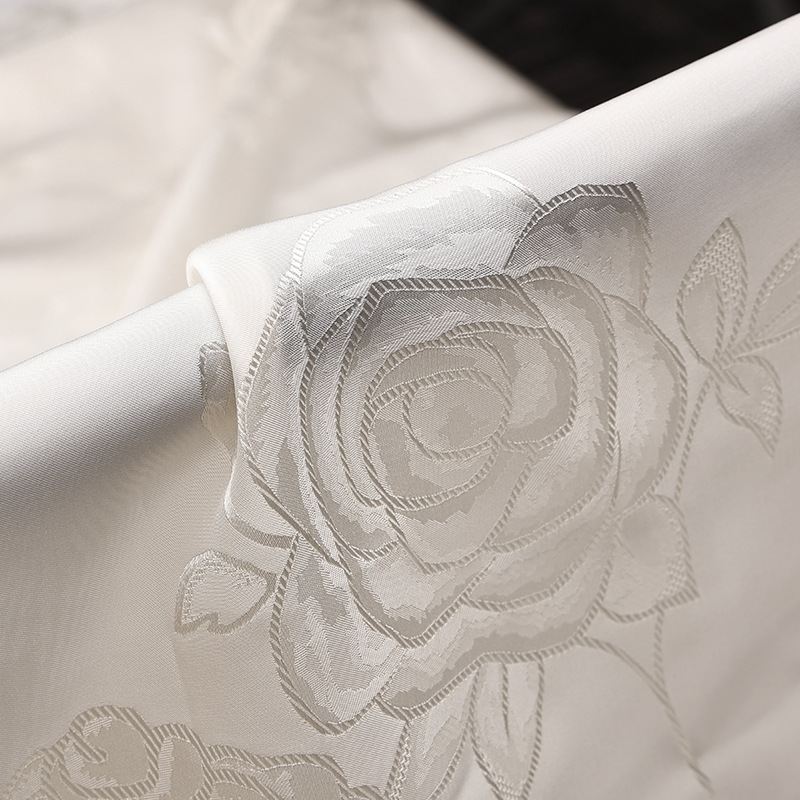
During silk textile manufacturing, prepared yarns are converted into fabric through weaving or knitting. In woven silk, warp yarns run lengthwise while weft yarns cross them. The interlacing pattern determines much of the fabric's appearance, structure, durability, and flexibility.
Plain weave creates a balanced structure commonly used for lightweight silk fabrics. Satin weave uses longer yarn floats to produce a smoother surface and greater visual luster, while twill weave creates diagonal lines and a distinctive texture. Crepe effects can be achieved through appropriately twisted yarns and suitable fabric construction.
Fabric quality depends on yarn uniformity, warp and weft density, loom tension, machine settings, and the condition of the weaving equipment. Excessive tension can damage delicate filaments, while inconsistent yarn feeding can create streaks, uneven density, or fabric distortion.
During production, inspectors check for broken threads, slubs, holes, weaving bars, uneven density, and width deviations. Early detection matters because structural defects may remain visible even after dyeing and finishing.
Degumming, Dyeing, and Color Control
Raw silk contains sericin, which contributes stiffness and affects the surface feel of the yarn. Degumming removes much of this coating through a controlled washing treatment. The process improves softness and allows the silk's characteristic luster to become more apparent.
Temperature, treatment time, water quality, chemical concentration, and agitation must be carefully controlled. Insufficient degumming can leave uneven stiffness and cause inconsistent dye uptake. Excessive treatment can weaken the silk fibroin, reducing tensile strength and shortening the fabric's useful life.
Bleaching may be used when a lighter or more uniform base color is required. Because silk is sensitive to harsh chemical treatment, the bleaching conditions must be selected to remove unwanted coloration without causing excessive fiber damage.
Manufacturers can dye silk yarn before weaving or dye the completed fabric. Yarn dyeing is suitable when the design requires colored yarns or woven patterns. Piece dyeing provides flexibility for producing solid-color fabrics and adjusting shades after fabric construction.
Color consistency depends on dye selection, bath temperature, pH, liquor circulation, treatment time, and the fabric's pretreatment. Laboratory dye trials and shade comparisons help reduce batch variation. Finished fabric should be checked for shade uniformity, staining, and colorfastness appropriate to its intended use.
Finishing Transforms Fabric into a Market-Ready Textile
Finishing determines the final hand feel, appearance, dimensional stability, and handling characteristics of silk fabric. Depending on the specification, treatments may include washing, drying, steaming, softening, heat-controlled setting where suitable, or mechanical surface finishing.
Incorrect drying tension can distort fabric width or change its drape. Excessive heat or unsuitable chemical treatments may affect color, strength, and surface luster. Finishing parameters must therefore match the silk construction and the intended end use.
Some products receive additional treatments to improve crease behavior or dimensional stability. These treatments should be evaluated for their effects on softness, strength, appearance, and care requirements rather than selected solely for a short-term visual improvement.
After finishing, the fabric is relaxed and inspected under suitable lighting. Width, weight, surface appearance, shade, and dimensional changes are checked against the agreed product specification before packing.
Quality Inspection from Raw Material to Finished Fabric
Reliable silk fabric production requires quality control at multiple stages rather than a single inspection at the end. Raw silk testing helps identify uneven yarn size, poor cleanliness, and low strength before weaving. In-process inspection detects broken ends, weaving defects, and inconsistent fabric density while corrective action is still possible.
Finished-textile inspection typically covers fabric width, weight per unit area, visual defects, shade variation, and dimensional stability. Depending on the customer's requirements, additional tests may include tensile strength, seam-related performance, colorfastness to washing or rubbing, and pH testing for applicable textile specifications.
Inspection methods and acceptance limits should be agreed upon before production. Buyers may specify sampling procedures, defect classification, measurement methods, and reporting requirements. Consistent documentation helps compare production batches and investigate quality complaints.
What B2B Buyers Should Confirm with a Silk fabric manufacturer
When sourcing silk fabric internationally, buyers should confirm the fiber composition, fabric construction, yarn specifications, width, weight, color requirements, finishing treatments, and permitted tolerances. These details help ensure that samples and bulk production meet the same expectations.
Ask suppliers how they control raw silk quality, monitor weaving defects, maintain dye-lot consistency, and inspect finished rolls. For customized orders, confirm sample approval procedures, production lead times, minimum order quantities, packaging requirements, and the availability of test reports where needed.
A capable manufacturer should be able to explain how each processing stage affects the final textile and how quality deviations are detected. Clear specifications and documented inspection procedures help importers and wholesalers reduce risks associated with inconsistent fabric quality.
Silk fabric manufacturing is a connected process in which raw material quality, reeling, yarn preparation, weaving, degumming, dyeing, and finishing all influence the final result. Careful control of tension, chemical treatment, temperature, and fabric construction helps maintain the strength, luster, softness, and dimensional stability expected from silk textiles.
For B2B buyers, understanding the silk fabric production process makes it easier to assess supplier capabilities, define product specifications, and maintain consistent quality across repeat orders.