Fabric shrinkage is a major quality consideration in Home Textile production because dimensional changes can affect bedding fit, curtain length, cushion covers, upholstery appearance, and the overall usability of finished products. Cotton sheets may become smaller after laundering, knitted fabrics may lose width, and curtains may develop uneven hems if dimensional stability is poorly controlled. For overseas buyers, understanding how manufacturers manage shrinkage helps prevent customer complaints, reduce production waste, and establish reliable specifications for repeat orders.
Effective shrinkage control begins with understanding the fiber and fabric structure. It then requires suitable pretreatment, controlled mechanical and thermal finishing, standardized testing, and verification under realistic care conditions. A professional Home Textile manufacturer does not rely on a single finishing operation to eliminate shrinkage; instead, dimensional stability is managed throughout the production process.
Fabric shrinkage occurs when a textile becomes shorter or narrower after exposure to moisture, heat, mechanical action, or a combination of these conditions. The underlying mechanism depends on fiber properties, yarn structure, fabric construction, and previous processing. Understanding these differences is essential because two fabrics with similar appearances may respond very differently to washing and drying.
Cotton and other cellulosic fibers absorb moisture and can swell during washing. As the fibers, yarns, and fabric structure relax, internal stresses created during spinning, weaving, knitting, and finishing may be released. This can allow yarns to move into a more relaxed configuration, reducing the fabric's original dimensions. Cotton bedding and table linen are particularly sensitive to the combined effects of moisture, agitation, and drying conditions.
Polyester generally absorbs less moisture than cotton and often offers better dimensional stability, but it is not completely immune to shrinkage. Excessive heat or insufficient thermal stabilization can change its dimensions. Blended fabrics combine the behavior of their constituent fibers, meaning that shrinkage performance cannot be predicted from fiber composition alone.
Fabric construction also matters. Woven fabrics and knitted fabrics distribute yarn tension differently. Knitted materials may experience substantial relaxation shrinkage because their loops can rearrange when tension is released. In woven fabrics, warp and weft density, yarn crimp, and finishing tension affect the final dimensional response. A home textile factory must therefore identify the dominant shrinkage mechanism before choosing a corrective process.
Shrinkage control begins before the fabric reaches the finishing department. During spinning, yarns may retain stresses associated with drafting and twisting. Weaving and knitting introduce additional tensions as yarns are pulled through production equipment. If the fabric is stretched or held under excessive tension, it may appear dimensionally stable while still containing stresses that will be released during wet processing or laundering.
In woven fabrics, warp tension is particularly important because the warp yarns are held under tension during weaving. The degree of yarn crimp, fabric density, and the balance between warp and weft influence how the fabric relaxes later. If a fabric is manufactured with inconsistent tension across its width, it may shrink unevenly, creating distortion that is difficult to correct through final finishing alone.
Knitted fabrics require different controls. Loop length, stitch density, yarn tension, and machine settings all influence dimensional behavior. Longer loops may contribute to greater structural flexibility, while differences in knitting tension can produce uneven relaxation. Before final finishing, some knitted fabrics benefit from controlled relaxation or wet processing that allows the structure to stabilize under defined conditions.
For B2B production, construction specifications should therefore include more than fiber composition and fabric weight. Yarn count, warp and weft density or knitting parameters, finished width, and the intended dimensional stability requirement should be established early. A home textile manufacturer can then select process settings that support the required performance instead of trying to correct structural instability at the end.
Pretreatment removes substances that interfere with subsequent processing and can also initiate fabric relaxation. Cotton Fabrics may undergo desizing, scouring, and bleaching, depending on their intended finish. During wet processing, fibers swell and yarns can rearrange, allowing part of the residual tension to be released before the material reaches the final finishing stage.
Although pretreatment can improve consistency, uncontrolled processing can create additional dimensional changes. Variations in temperature, treatment time, chemical concentration, fabric tension, and machine loading may produce different results between batches. If fabric is stretched during washing or transported under excessive tension, it may contract later when the tension is released or when the fabric is washed again.
Relaxation is particularly relevant for knitted home textile fabrics. Allowing the material to rest or undergo suitable wet relaxation can help reduce changes that would otherwise occur after the fabric has been converted into finished products. However, relaxation conditions must be selected for the actual fiber and construction; a process suitable for cotton jersey may not be appropriate for a polyester woven curtain fabric.
Manufacturers should measure fabric dimensions before and after critical wet-processing stages to identify where shrinkage occurs. This process-level monitoring helps distinguish normal relaxation from defects caused by inconsistent operation. It also allows the production team to adjust equipment settings before the fabric proceeds to dyeing or final finishing.
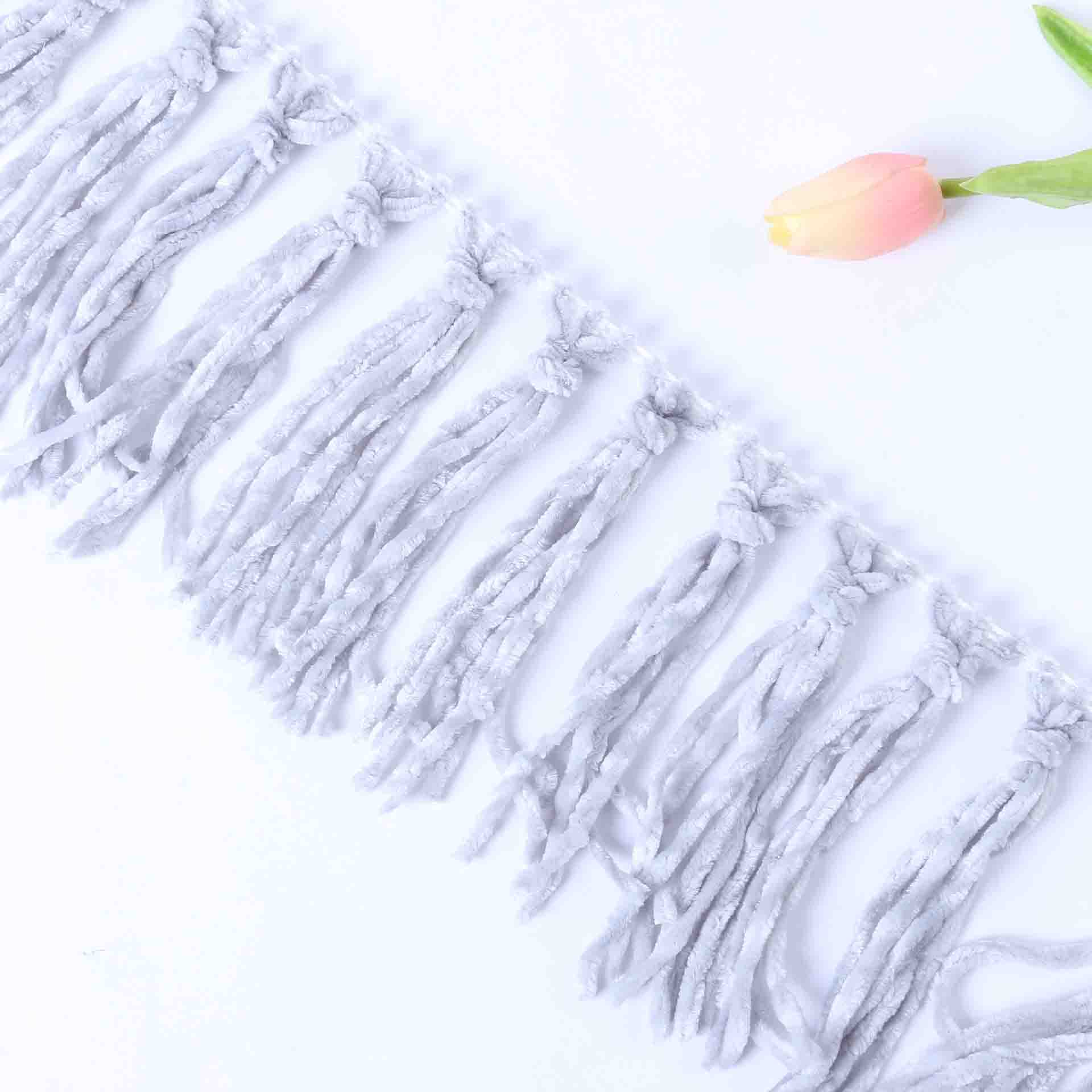
Mechanical finishing can stabilize fabric dimensions by reducing the amount of extension retained from earlier processing. One important technique is compacting, which is commonly used for cotton knitted fabrics and selected woven materials. During compaction, the fabric is mechanically compressed in the lengthwise direction under controlled conditions. This reduces the distance between structural elements and helps limit further contraction during laundering.
Sanforization is a controlled compressive shrinkage process commonly associated with woven cotton fabrics. It deliberately reduces the fabric's potential for further lengthwise shrinkage before the material is supplied for garment or textile-product manufacture. The process does not eliminate every possible dimensional change, and its effectiveness depends on the fabric construction, machinery settings, and subsequent care conditions.
Stenter finishing is used to control fabric width and apply selected finishing treatments. The fabric passes through a heated chamber while its width and processing conditions are controlled. However, stretching fabric to achieve a target width without adequately stabilizing its structure can create residual tension. If the fabric is subsequently washed or dried under different conditions, it may contract and fail to meet the buyer's dimensional requirements.
Mechanical finishing should therefore be selected according to the dominant shrinkage direction and fabric construction. Lengthwise compaction may not resolve excessive width shrinkage, while a width-setting operation alone may not control lengthwise relaxation. A reliable home textile supplier should understand these distinctions and confirm the effect of finishing through testing rather than relying only on machine settings.
Heat setting is an important dimensional stabilization technique for many polyester and other thermoplastic synthetic fabrics. Controlled heating allows the polymer structure to adjust to a more stable configuration under defined tension and dimensional conditions. When performed correctly, heat setting reduces the likelihood of later dimensional changes caused by heat exposure during care or use.
Temperature, dwell time, fabric tension, moisture conditions, and cooling behavior all affect the result. Insufficient heat setting may leave the fabric vulnerable to subsequent shrinkage, while excessive temperature can cause discoloration, damage to sensitive fibers, changes in hand feel, or other unwanted effects. The appropriate conditions depend on the fiber blend, fabric thickness, construction, and any dyeing or coating treatments already applied.
Heat setting should not be treated as a universal solution for all home textile materials. Cotton does not respond to thermal stabilization in the same way as polyester, and cotton-rich blends may require a combination of relaxation, mechanical compaction, and other suitable finishing methods. For fabrics containing elastane or specialized functional finishes, additional care is needed to avoid compromising stretch recovery or other performance characteristics.
After heat setting, dimensional stability should be checked using a test method that reflects the intended product's care conditions. This is especially important for curtains, cushion covers, and decorative fabrics that may be exposed to heat during laundering, tumble drying, or professional cleaning.
Dimensional stability testing determines how much a fabric changes in length and width after a defined treatment. A laboratory typically marks or measures a specified test area, subjects the specimen to the selected washing and drying procedure, and measures the dimensions again after the required conditioning period. The result is expressed as a percentage change relative to the original measurement.
The basic calculation is:
Dimensional change (%) = [(Final dimension - Original dimension) / Original dimension] × 100
A negative result indicates shrinkage, while a positive result indicates growth. For example, if a fabric length decreases from 100 cm to 97 cm, the lengthwise dimensional change is -3%. The same calculation should be performed separately for length and width because the two directions may behave differently.
Test conditions are just as important as the calculation. Washing temperature, detergent, agitation, number of cycles, drying method, and specimen conditioning can influence the measured result. A fabric tested under gentle washing conditions may perform differently under a hot wash and tumble-dry routine. Buyers should specify a recognized method, such as the applicable edition of ISO 6330 for domestic washing and drying procedures, together with the relevant dimensional-change measurement method, such as ISO 5077.
For home textile products intended for frequent laundering, testing after multiple wash cycles may provide a more useful picture of long-term stability than a single cycle. Buyers should also distinguish between fabric testing and finished-product testing. Sewing, hemming, quilting, elastic components, and differences in panel construction can introduce additional dimensional behavior after the fabric has been converted into bedding or other household products.
Reliable shrinkage control requires defined acceptance limits and traceable production records. The factory should document the fabric's original dimensions, finishing parameters, test conditions, and final results. If a batch exceeds the agreed shrinkage limit, the production team should investigate whether the cause is related to raw material variation, fabric construction, pretreatment, finishing tension, or testing conditions.
Incoming yarn and greige fabric inspections can identify construction variations before they create inconsistent finishing results. In-process measurements help detect changes in width or length during wet processing and heat treatment. Final inspection should then confirm that the finished fabric meets the buyer's specifications for dimensional stability, weight, width, appearance, and any other required performance properties.
Buyers should agree on the test method and allowable shrinkage before mass production begins. Acceptance limits must reflect the intended application rather than a universal percentage. Bedding products, fitted sheets, curtains, and upholstery materials have different dimensional requirements, and some products may need to account for additional changes during manufacturing and installation.
A professional home textile manufacturer should also retain approved samples and link test reports to the relevant production batches. This improves consistency across repeat orders and supports root-cause analysis when a customer reports unexpected shrinkage. For overseas purchasing, clear documentation is particularly valuable because the buyer may not be able to inspect every production stage in person.
Before confirming an order, buyers should communicate the intended end use, fiber composition, fabric construction, care instructions, and dimensional stability requirements. These details allow the home textile manufacturers to recommend appropriate pretreatment and finishing processes. A sample that looks and feels correct before washing should not be considered sufficient evidence of dimensional stability.
Pre-production approval should include shrinkage results obtained under agreed test conditions. For high-volume or repeat orders, buyers may request testing from each production batch or according to a defined sampling plan. They should also confirm whether the reported values apply to greige fabric, finished fabric, or completed textile products, as these stages are not interchangeable.
It is equally important to evaluate the supplier's corrective-action process. If shrinkage exceeds the agreed limit, the supplier should be able to identify the cause, assess the affected quantity, and determine whether reprocessing is technically feasible. Additional compaction or finishing may help in some cases, but it cannot always correct structural distortion or damage already introduced during production.
Fabric shrinkage control in home textile production depends on managing fiber behavior, yarn tension, fabric construction, pretreatment, mechanical finishing, and thermal stabilization as an integrated process. No single technique can guarantee dimensional stability across every fiber type and fabric structure. Effective control combines suitable manufacturing conditions with standardized washing tests, clear acceptance limits, and traceable quality records.
For overseas B2B buyers, the most reliable approach is to define shrinkage requirements before production, verify them under realistic care conditions, and assess whether the supplier can reproduce the results consistently. A capable home textile supplier should provide not only a suitable finished fabric but also the technical evidence and process control needed to maintain dimensional stability throughout repeated orders.
```
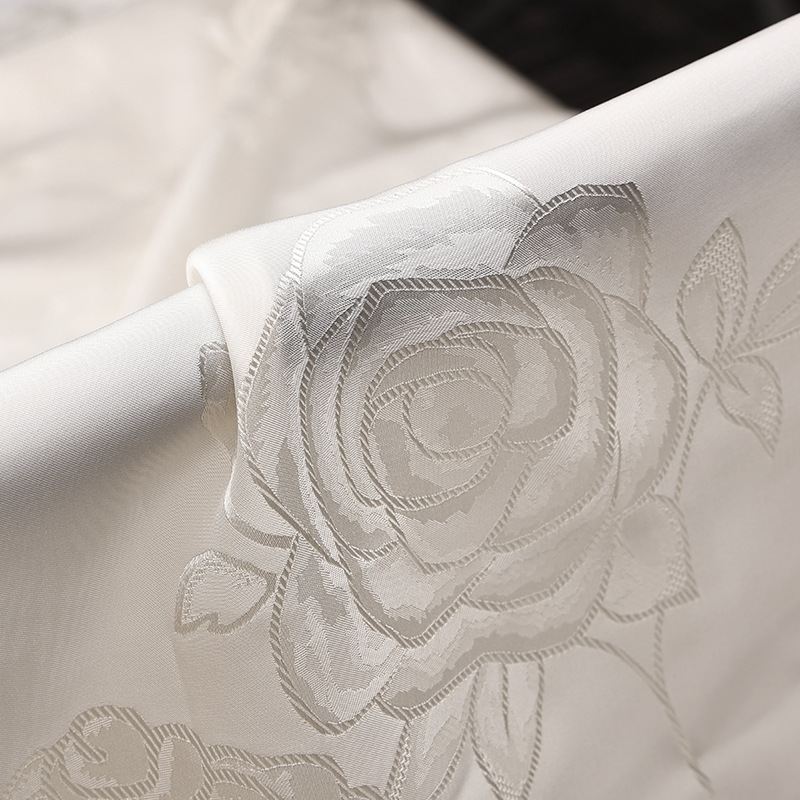
This fabric combines the smoothness and natural sheen of Mulberry Silk with the durability and versatility of Viscose, providing comfort and beauty for a variety of fashion applications.
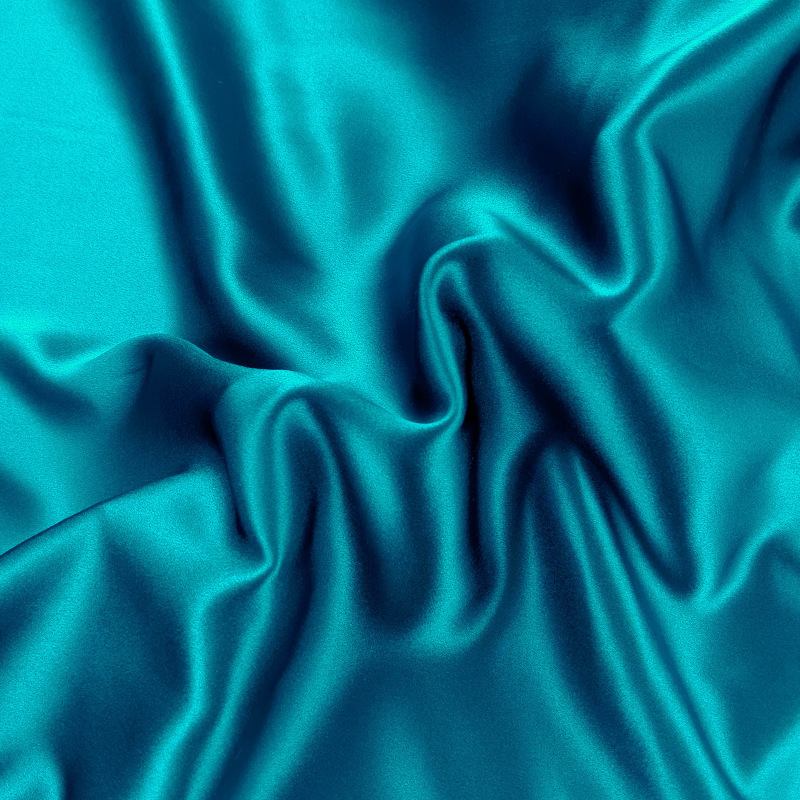
Used for all kinds of high-end silk bedding, such as silk four-piece sets, pillowcases, sheets, quilt covers, as well as silk scarves, summer pajamas, ladies' fashions and formal dresses, etc.
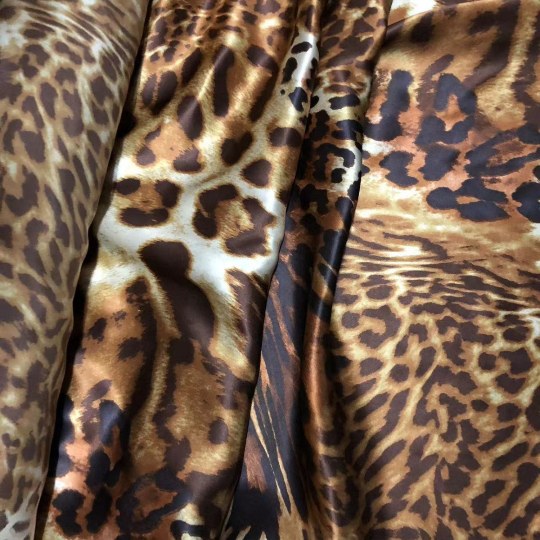
Leopard Jacquard Fabric is a luxurious and versatile textile characterized by its intricate woven patterns and elegant design.
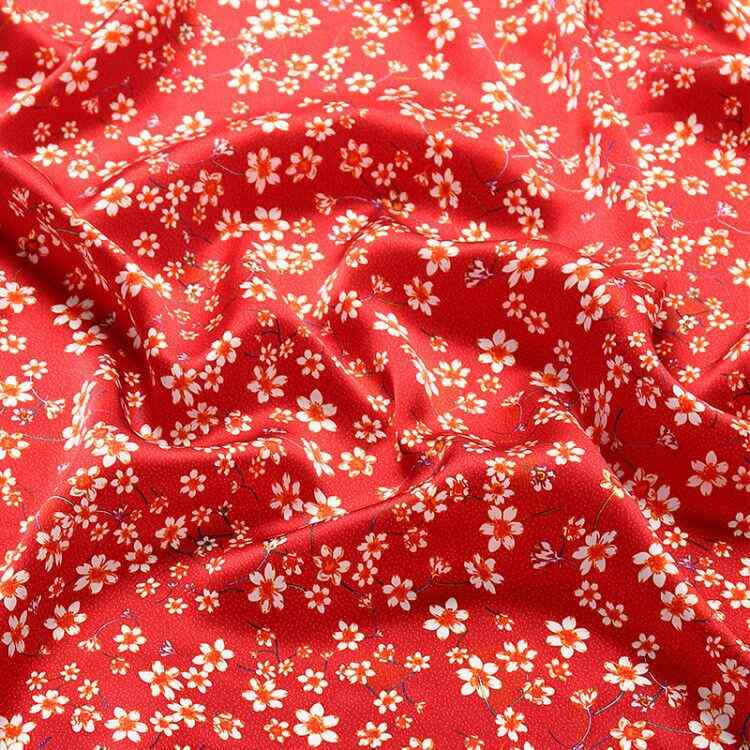
Floral Silk Fabric, crafted from Mulberry silk with a width of 140CM, a thickness of 16mm, and a weight of 68gsm, is ideal for creating elegant dresses, summer and spring outfits, luxurious sleepwear, and refined accessories like scarves and ties.
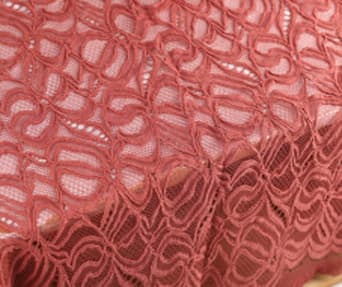
The best way to care for and wash Lace Fabric is to clean it gently using cold or lukewarm water and a mild detergent. Hand washing is recommended for delicate lace, while machine washing should only be done on a gentle cycle with the fabric placed inside
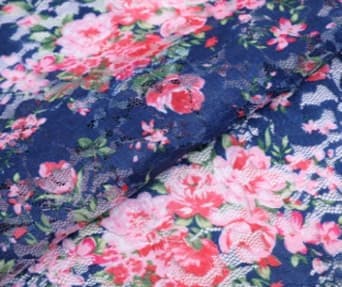
Lace Fabric can be made from a variety of materials, including cotton, polyester, nylon, rayon, silk, and spandex. Each material offers different characteristics such as softnes
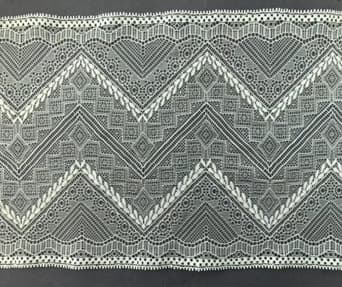
Corded lace is one of the most elegant and structurally rich types of lace used in fashion and textile design. It is widely applied in bridal gowns, evening dresses, lingerie, and decorative fabrics due to its raised outlines and three-dimensional texture. Unlike flat lace, corded lace is created by adding extra yarns or cords to emphasize floral or geometric patterns, making it more luxurious and visually striking.
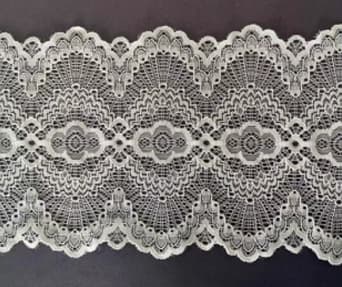
Corded lace is suitable for wedding dresses, evening gowns, blouses, skirts, lingerie, jackets, children's wear, and fashion accessories. Its raised embroidered patterns create a textured and elegant look that enhances both luxury and casual garments. Whether used as white lace or black corded lace fabric, it remains a versatile material widely used in modern fashion design.
Whatsapp: +86-137-1297-3009
Contact: Sophie Liao
Mailbox: sophie@chuanchencrafts.com
Add:Room 304, No.11, Jiaoyu Road, ZhangCun, Dongcheng Street, Dongguan City- 523112, China.

Wechat customer service
Copyright © 2026 Dongguan Chuanchen Craft Products Co., Ltd All rights reserved.