Uneven fringe formation during Eyelash Lace production is commonly caused by inconsistent yarn tension, unstable yarn feeding, incorrect knitting machine settings, differences in yarn properties, and improper finishing conditions. These factors can make the decorative fringes vary in length, density, direction, or spacing across the fabric.
Fringe consistency is an important quality requirement because the eyelash-like yarns create the characteristic appearance of this lace material. Whether the product is used as Eyelash Lace Trim, garment edging, or a decorative panel, irregular fringes can affect the finished appearance and increase material waste during cutting and sewing.
Yarn tension directly affects how decorative yarns are fed into the knitting structure and how much yarn is available to form each fringe. If the tension fluctuates during production, the yarn may be pulled too tightly in some sections and remain too loose in others.
Excessive tension can reduce the effective fringe length, while insufficient tension may create loose loops, irregular yarn positioning, or unstable fringe attachment.
For example, a production specification may require an average fringe length of 10 mm. During inspection, measurements might show 9 mm in the center of the fabric and 12 mm near one edge. This 3 mm difference may indicate uneven yarn feeding or tension distribution. The production team should check the yarn delivery system and tension devices before changing the entire knitting pattern.
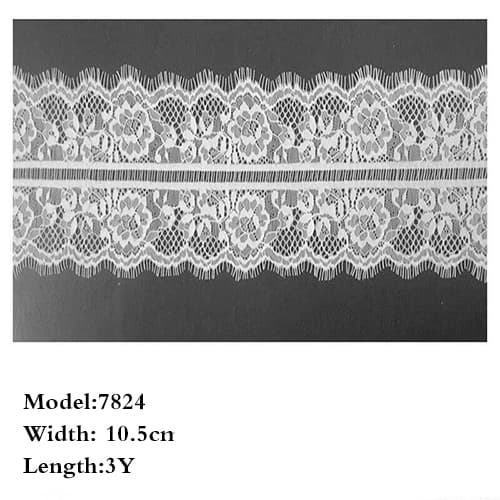
Uneven yarn feeding can cause some areas to receive more decorative yarn than others. This may result in dense fringe sections next to areas with noticeably fewer fibers.
Possible causes include inconsistent package unwinding, yarn entanglement, friction in the feeding path, or differences in package tension. These problems may become more visible during long production runs.
For Nylon Eyelash Lace and Polyester Eyelash Lace, the yarn feeding conditions should be adjusted according to the yarn's actual characteristics. Different yarn constructions may have different friction, elongation, and unwinding behavior.
Yes. Machine settings determine how the decorative yarn is incorporated into the ground structure. Incorrect stitch formation, guide bar positioning, loop length, or yarn delivery settings can create variations in fringe appearance.
If the machine is not correctly adjusted, the decorative yarn may not be distributed consistently across the fabric width. Mechanical wear can also contribute to uneven production, particularly when needles, guides, or feeding components no longer operate consistently.
For example, if a knitting machine produces a 150 cm wide Lace fabric but the fringe density gradually decreases toward one side, checking the yarn guides and feeding positions is more appropriate than immediately changing the yarn specification.
Regular machine cleaning, needle inspection, and maintenance help reduce the risk of repeated fringe defects.
Decorative fringe yarns must have consistent thickness, surface characteristics, and mechanical properties. Differences in yarn fineness or elongation can affect the way the yarn behaves during knitting.
If a yarn package contains sections with different thicknesses, the finished Eyelash Lace Textile may show visible variations in fringe volume. Yarn with inconsistent elongation may also respond differently to the same machine tension.
For example, when two yarn lots are used in the same production design, the second lot may produce slightly shorter fringes if its elongation or yarn tension behavior differs. Comparing yarn specifications and checking samples before switching lots can help identify this problem.
Manufacturers should pay attention to yarn count, filament structure, package quality, and lot-to-lot consistency when sourcing decorative yarns.
Finishing processes can affect fringe length, orientation, and overall fabric appearance. Heat setting, washing, drying, brushing, and mechanical handling may change the physical condition of the yarns.
For example, excessive mechanical tension during finishing may stretch the lace temporarily. After the fabric relaxes, different areas may contract by different amounts, creating an uneven appearance.
Heat-sensitive materials may also respond differently to temperature and processing time. This is particularly relevant when producing Stretch Eyelash Lace, where elastic yarns must retain suitable extension and recovery characteristics.
To control these variations, manufacturers should compare fringe dimensions before and after finishing rather than evaluating only the unfinished knitted fabric.
Fringe quality should be evaluated using a consistent sampling method. Measuring only one location may overlook defects that occur near the fabric edges or at different positions along the production roll.
A practical inspection method is to take measurements from the left, center, and right sections of the fabric, with additional checks along the production length.
For example, if the specified fringe length is 10 mm, a sample inspection might record the following measurements:
| Inspection position | Measured fringe length |
|---|---|
| Left side | 10 mm |
| Center | 9.5 mm |
| Right side | 10.5 mm |
These measurements show a maximum variation of 1 mm. Whether this is acceptable depends on the approved sample, product specification, and buyer's tolerance requirements. There is no single fringe-length tolerance suitable for every lace design.
For Scalloped Eyelash Lace, inspection should also include the shape and spacing of the decorative edge. Uneven fringe lengths may become particularly noticeable along curved or repeated scallop patterns.
Preventing uneven fringes requires control over the entire production process rather than relying on final inspection alone.
Check yarn tension: Monitor yarn delivery and tension devices before and during production.
Inspect yarn packages: Check for inconsistent unwinding, entanglement, and visible yarn defects.
Maintain knitting equipment: Inspect needles, guides, and feeding components regularly.
Standardize machine settings: Record approved settings for repeat production orders.
Control finishing conditions: Avoid unnecessary stretching, excessive heat, or aggressive mechanical handling.
Use in-process inspection: Measure fringe length and density at multiple positions instead of waiting until the roll is finished.
For example, a manufacturer producing 1,000 meters of Eyelash Lace Trim can introduce an inspection schedule at the beginning, middle, and end of the production run. Comparing fringe measurements at these stages helps identify whether a defect is continuous or develops gradually during production.
Yes. Uneven fringes can make garment edges appear inconsistent, particularly when the lace is used in visible decorative areas. They may also complicate cutting and sewing because operators need to align the lace pattern while maintaining a consistent finished edge.
For applications involving Eyelash Lace Edging or Eyelash Lace Embellishment, the fringe should maintain a consistent visual effect after the lace is attached to the garment. Loose or excessively long fibers may also require additional trimming, increasing production time and material handling.
Wide Eyelash Lace panels require particular attention because fringe variations across a larger fabric area may be more noticeable after garment assembly.
Uneven fringe formation during Eyelash Lace production is usually related to several interacting factors, including yarn tension, yarn feeding, knitting machine settings, yarn quality, and finishing conditions.
Manufacturers can improve fringe consistency by monitoring these variables throughout production and establishing clear inspection requirements for fringe length, density, and edge appearance.
For overseas garment brands and wholesale buyers, evaluating fringe uniformity in the finished sample is important before approving bulk orders. Consistent fringe formation helps maintain the decorative appearance of eyelash lace while reducing cutting difficulties, rework, and production waste.
```

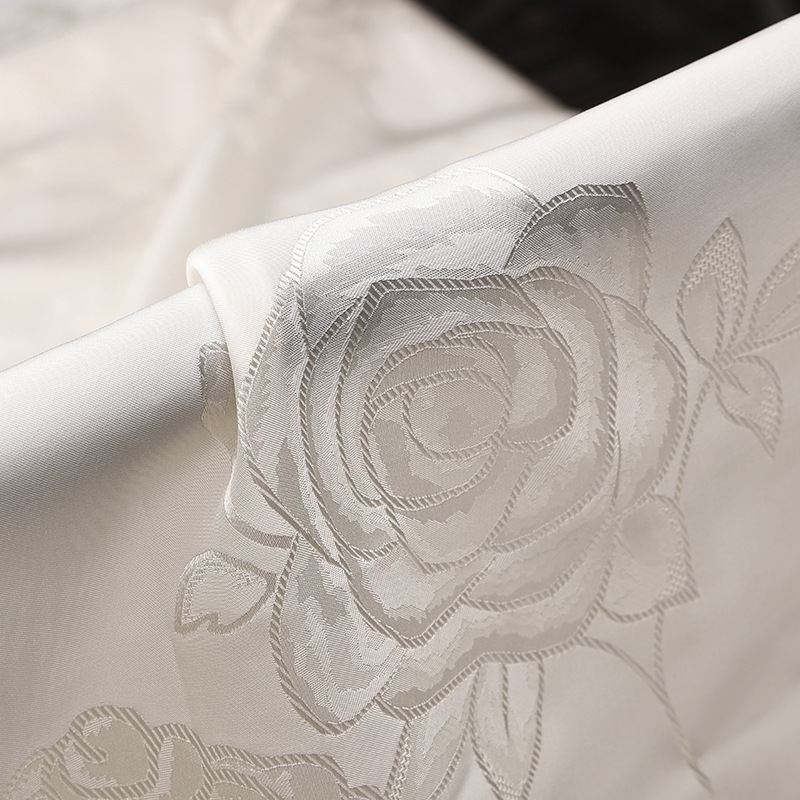
This fabric combines the smoothness and natural sheen of Mulberry Silk with the durability and versatility of Viscose, providing comfort and beauty for a variety of fashion applications.
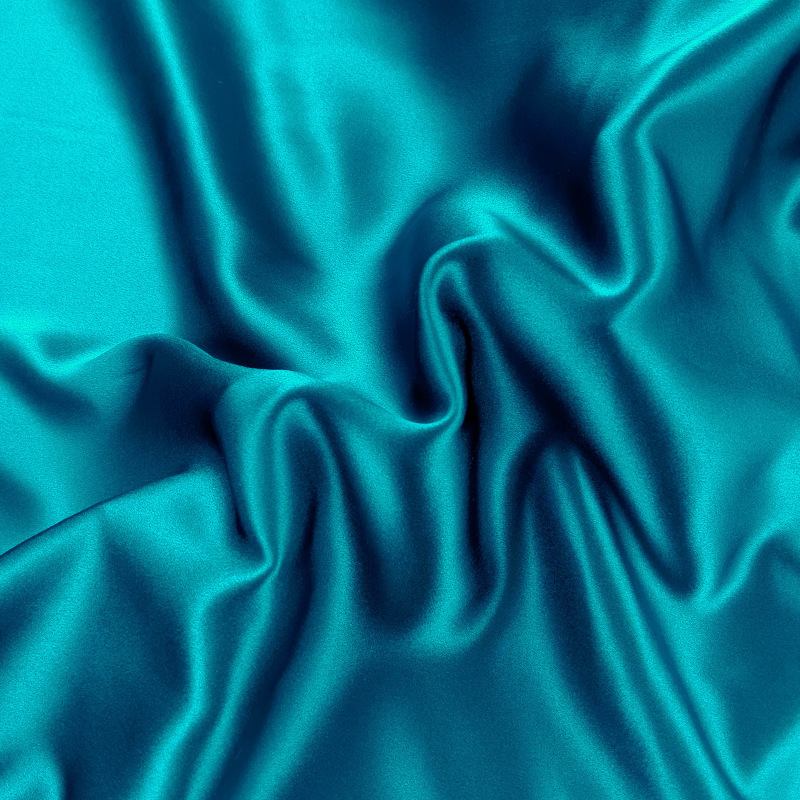
Used for all kinds of high-end silk bedding, such as silk four-piece sets, pillowcases, sheets, quilt covers, as well as silk scarves, summer pajamas, ladies' fashions and formal dresses, etc.
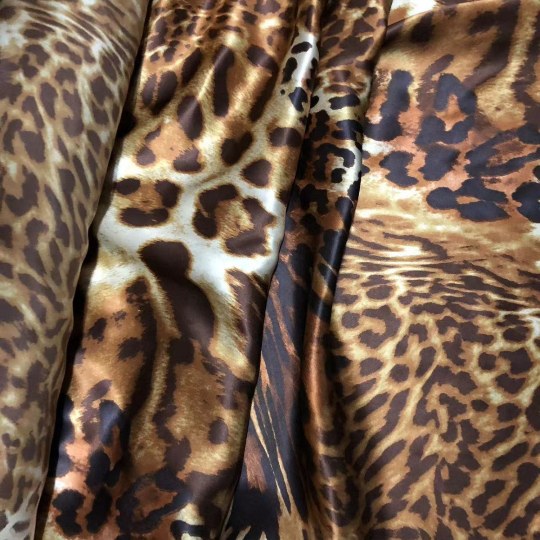
Leopard Jacquard Fabric is a luxurious and versatile textile characterized by its intricate woven patterns and elegant design.
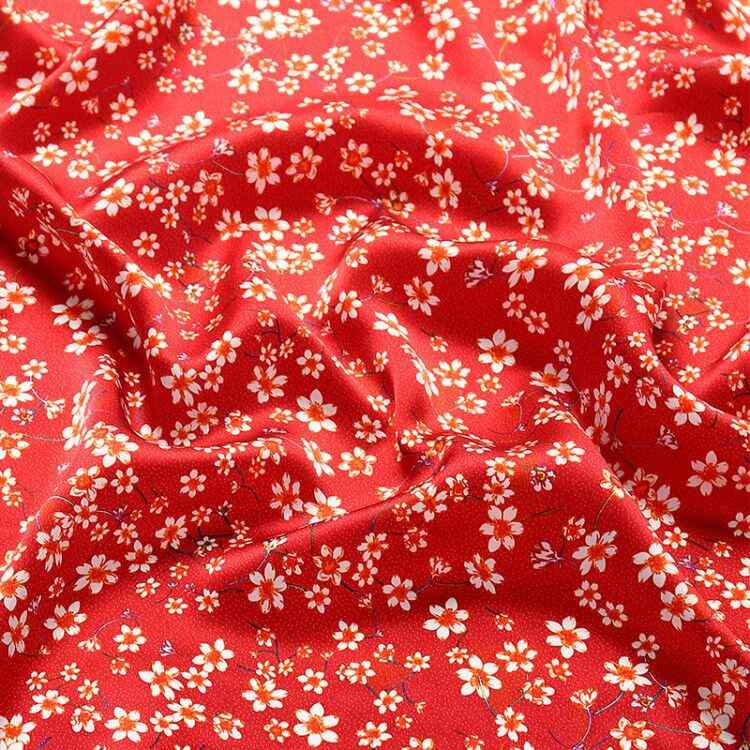
Floral Silk Fabric, crafted from Mulberry silk with a width of 140CM, a thickness of 16mm, and a weight of 68gsm, is ideal for creating elegant dresses, summer and spring outfits, luxurious sleepwear, and refined accessories like scarves and ties.
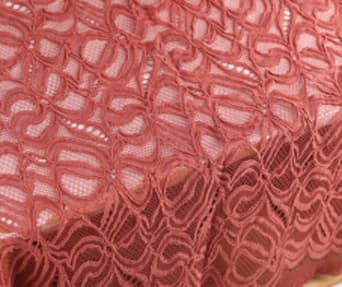
The best way to care for and wash Lace Fabric is to clean it gently using cold or lukewarm water and a mild detergent. Hand washing is recommended for delicate lace, while machine washing should only be done on a gentle cycle with the fabric placed inside
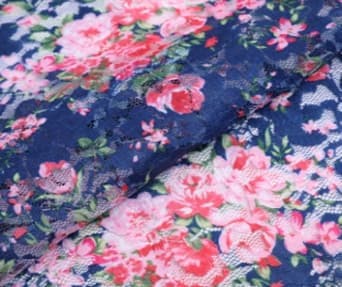
Lace Fabric can be made from a variety of materials, including cotton, polyester, nylon, rayon, silk, and spandex. Each material offers different characteristics such as softnes
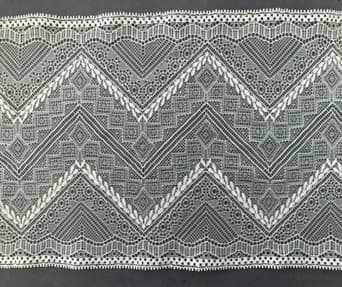
Corded lace is one of the most elegant and structurally rich types of lace used in fashion and textile design. It is widely applied in bridal gowns, evening dresses, lingerie, and decorative fabrics due to its raised outlines and three-dimensional texture. Unlike flat lace, corded lace is created by adding extra yarns or cords to emphasize floral or geometric patterns, making it more luxurious and visually striking.
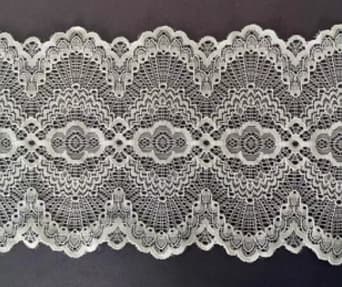
Corded lace is suitable for wedding dresses, evening gowns, blouses, skirts, lingerie, jackets, children's wear, and fashion accessories. Its raised embroidered patterns create a textured and elegant look that enhances both luxury and casual garments. Whether used as white lace or black corded lace fabric, it remains a versatile material widely used in modern fashion design.
Whatsapp: +86-137-1297-3009
Contact: Sophie Liao
Mailbox: sophie@chuanchencrafts.com
Add:Room 304, No.11, Jiaoyu Road, ZhangCun, Dongcheng Street, Dongguan City- 523112, China.

Wechat customer service
Copyright © 2026 Dongguan Chuanchen Craft Products Co., Ltd All rights reserved.