Dyeing temperature has a direct influence on the color consistency of Eyelash Lace because it affects dye absorption, dye migration, fiber swelling, and the interaction between the dye and the textile material. If the temperature rises too quickly, remains uneven, or exceeds the suitable processing range, the finished lace may develop shade variations, uneven color distribution, or differences between production batches.
Temperature control is especially important for Nylon Eyelash Lace and Polyester Eyelash Lace because these fibers have different dyeing characteristics. Nylon is commonly dyed with acid dyes, while polyester is generally dyed with disperse dyes under suitable high-temperature conditions. Using the same temperature program for both materials may result in poor color development or inconsistent dyeing performance.
Dyeing temperature influences how quickly dye molecules move through the dye bath and interact with the fibers. When the temperature increases, dye diffusion generally becomes faster. However, the appropriate temperature depends on fiber composition, dye chemistry, fabric construction, and dyeing equipment.
If the temperature is too low, dye absorption may be insufficient or uneven, leaving the lace lighter than the approved color sample. If the temperature is increased too quickly, different areas may absorb dye at different rates, particularly when the fabric is not circulating or exposed to the dye bath evenly.
For delicate Eyelash Lace fabric, temperature control also needs to consider the decorative fringe structure. Excessive thermal or mechanical stress may affect the shape and appearance of the fringes during dyeing and subsequent drying.
Nylon is commonly dyed using acid dyes. Its dyeing behavior is influenced by temperature, bath pH, dye selection, and the rate at which the temperature increases.
Many conventional nylon dyeing processes operate near the boiling point of water under atmospheric conditions, often using a controlled temperature rise toward approximately 95–100°C. This is a general process reference rather than a universal recipe, because the suitable conditions vary with nylon type, dye chemistry, and equipment.
If the dye bath heats too quickly, the surface of the lace may absorb dye faster than other areas, potentially creating uneven shades. A controlled heating curve gives the dye more opportunity to distribute evenly through the material.
For example, when dyeing a batch of Nylon Eyelash Lace in a dark navy shade, a manufacturer may observe darker areas near the fabric edges. The production team should check dye circulation, bath pH, loading conditions, and heating speed rather than assuming that the dye concentration alone is responsible.
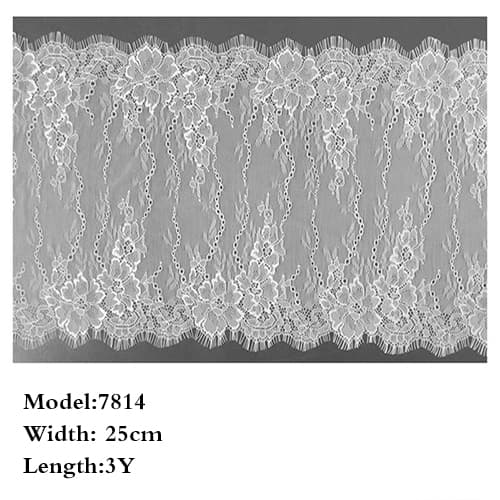
Polyester has a relatively compact fiber structure and is commonly dyed with disperse dyes. Compared with conventional atmospheric nylon dyeing, polyester dyeing generally requires higher temperatures or alternative dyeing methods to achieve adequate dye diffusion.
High-temperature polyester dyeing commonly uses temperatures around 120–130°C in suitable pressurized equipment. The exact temperature and holding time depend on the polyester grade, disperse dye selection, shade depth, and machine conditions.
If the temperature is insufficient, dye penetration and color development may be inadequate. Excessive or unsuitable thermal treatment may also affect the fabric's dimensional stability, particularly when the lace contains elastic yarns or other heat-sensitive components.
For example, a polyester lace sample intended to match a deep burgundy reference may appear lighter after an unsuitable dyeing cycle. Before increasing the dye concentration, the manufacturer should review the temperature profile, holding time, dye dispersion, and bath circulation.
Temperature is only one variable in the dyeing process. Two batches processed at the same temperature may still develop different shades because of differences in yarn composition, pretreatment, dye concentration, pH, water quality, or fabric weight.
For instance, two rolls of Polyester Eyelash Lace may have slightly different yarn specifications or previous heat-setting conditions. Even if both rolls enter the same dye bath, their dye uptake may not be identical.
Mixed-fiber constructions create an additional challenge. If a lace product combines nylon, polyester, and elastic yarns, each component may respond differently to the selected dyeing system. Manufacturers should confirm fiber composition before developing the dyeing recipe.
Uneven color distribution may result from several production problems working together.
Unstable heating: Rapid or inconsistent temperature changes may cause different dye absorption rates.
Poor dye circulation: Uneven liquor flow can create darker and lighter areas.
Incorrect bath pH: Changes in pH can influence dye exhaustion and fiber-dye interactions.
Improper dye dispersion: Poorly dissolved or dispersed dyes may create visible spots and uneven shades.
Incorrect loading: Excessive fabric loading can restrict circulation and increase the risk of uneven dyeing.
Inconsistent pretreatment: Residual oils, knitting lubricants, and finishing agents may interfere with dye absorption.
For example, a 500-meter lace production batch may show a noticeably darker shade in the middle section of the roll. If the temperature record is consistent, the dyeing team should also examine fabric circulation, loading density, and pretreatment quality before changing the dye formulation.
Batch consistency starts with a repeatable dyeing procedure and a properly approved laboratory sample. Manufacturers should record the key process conditions and compare finished fabric against the approved reference.
Important control points include:
Fiber composition and yarn lot identification.
Dye type, concentration, and formulation.
Dye bath pH and water quality.
Heating rate, maximum temperature, and holding time.
Fabric loading and liquor circulation.
Washing, rinsing, and drying conditions.
Color difference can be evaluated using a spectrophotometer and the CIEDE2000 color difference method, commonly expressed as ΔE00. For example, a buyer and manufacturer might agree on an internal acceptance target of ΔE00 ≤ 1.0 for a particular color. This is an example of a project-specific tolerance, not a universal requirement for all lace fabrics.
Checking multiple positions across the roll can also help identify whether color variation is limited to the edges or occurs throughout the fabric.
Yes. Thermal treatment can influence the dimensional behavior of the fibers and elastic components used in the lace construction.
For Stretch Eyelash Lace, unsuitable temperatures may affect elastic yarn recovery or cause the fabric to relax unevenly. This can result in changes to the original width, fringe arrangement, and pattern shape.
For example, a lace sample measuring 100 cm in width before dyeing may measure 98 cm after processing. This represents a 2% width reduction. The manufacturer should determine whether the change comes from relaxation, thermal shrinkage, or finishing tension before deciding whether to adjust the knitting or dyeing process.
Color appearance should be evaluated together with the physical quality of the lace. A visually correct color sample does not necessarily guarantee consistent bulk production.
Buyers should confirm the approved color standard, acceptable color difference, fiber composition, colorfastness requirements, and dimensional stability. They should also check whether the decorative fringe retains its intended appearance after dyeing and washing.
For Eyelash Lace Trim, Eyelash Lace Edging, and Eyelash Lace Embellishment, color consistency is particularly important because these products are often placed next to other garment materials. A small shade difference may become noticeable when lace is sewn onto a contrasting fabric.
Dyeing temperature plays an important role in determining the color consistency of Eyelash Lace. It influences dye diffusion, absorption, shade development, and the stability of the finished textile.
Because nylon and polyester have different dyeing requirements, manufacturers should develop suitable temperature programs according to the actual fiber composition and dye system. Controlling heating speed, bath conditions, circulation, and finishing parameters can help reduce uneven shades and improve batch consistency.
For overseas buyers and garment manufacturers, approving a laboratory sample and establishing clear color tolerance requirements before bulk production are practical steps toward obtaining consistent Eyelash Lace Fabric across different orders.
```

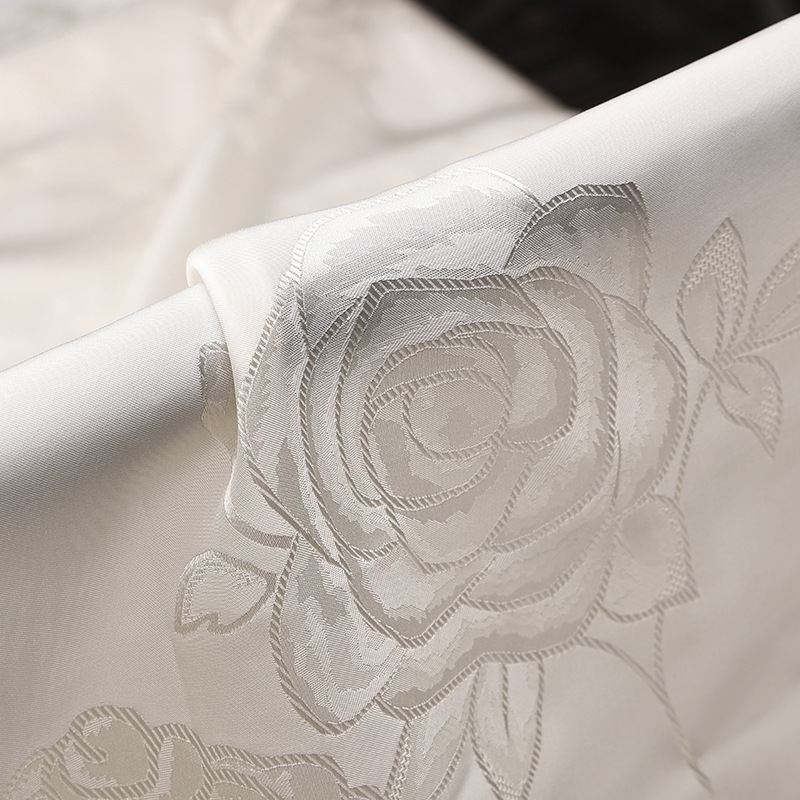
This fabric combines the smoothness and natural sheen of Mulberry Silk with the durability and versatility of Viscose, providing comfort and beauty for a variety of fashion applications.
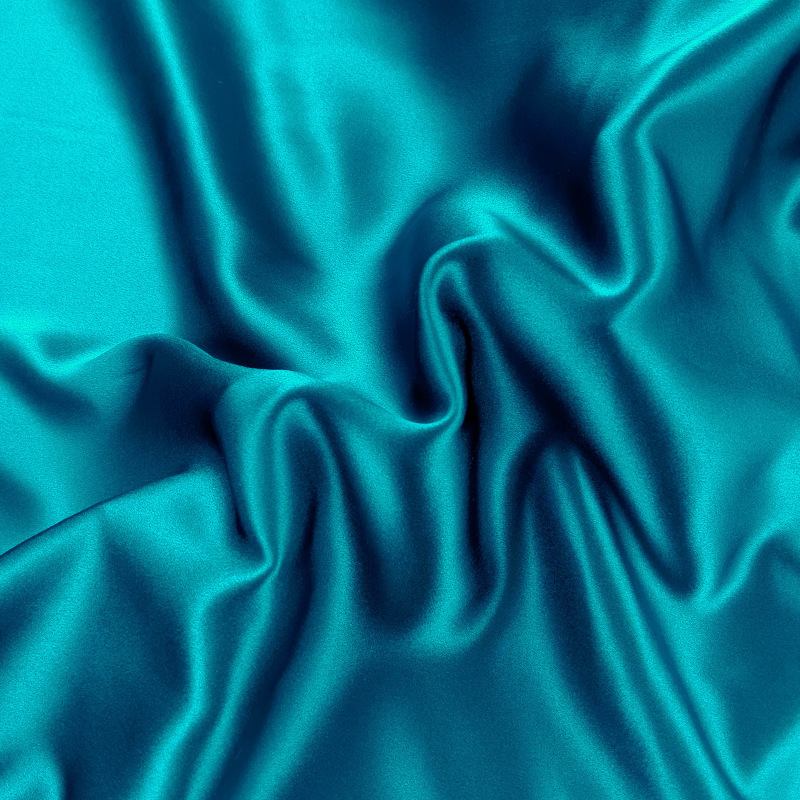
Used for all kinds of high-end silk bedding, such as silk four-piece sets, pillowcases, sheets, quilt covers, as well as silk scarves, summer pajamas, ladies' fashions and formal dresses, etc.
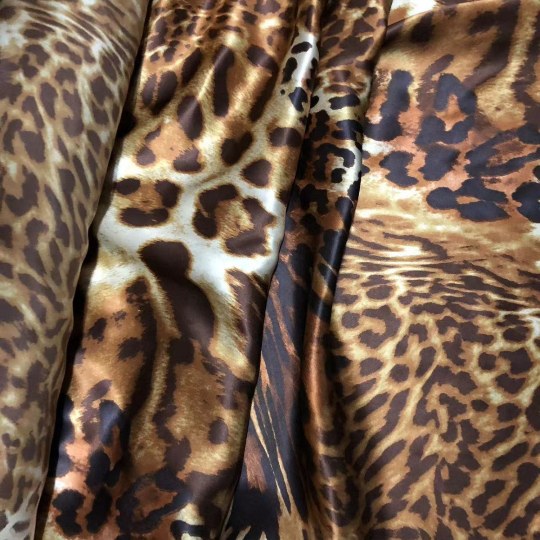
Leopard Jacquard Fabric is a luxurious and versatile textile characterized by its intricate woven patterns and elegant design.
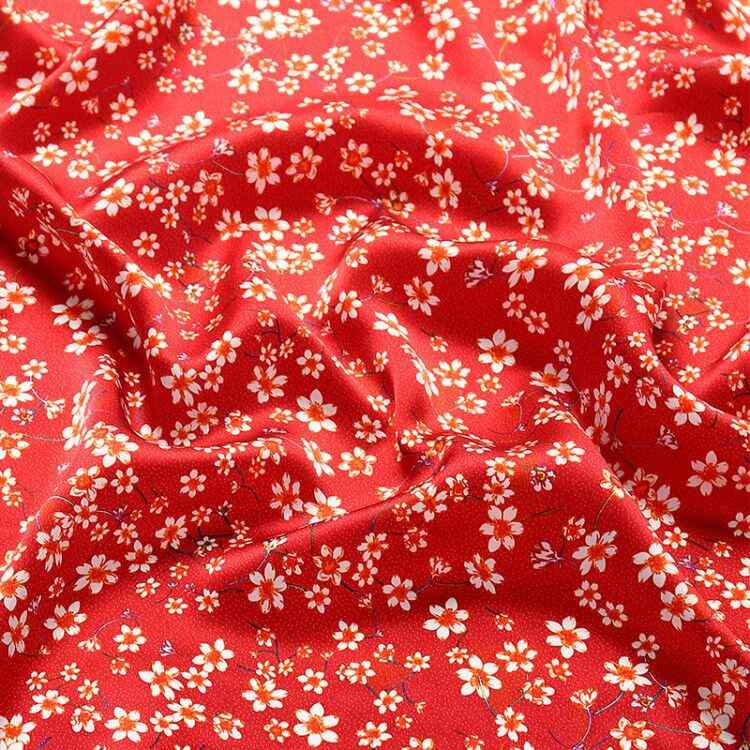
Floral Silk Fabric, crafted from Mulberry silk with a width of 140CM, a thickness of 16mm, and a weight of 68gsm, is ideal for creating elegant dresses, summer and spring outfits, luxurious sleepwear, and refined accessories like scarves and ties.
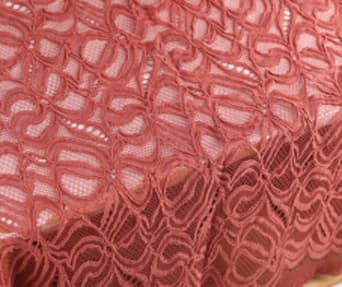
The best way to care for and wash Lace Fabric is to clean it gently using cold or lukewarm water and a mild detergent. Hand washing is recommended for delicate lace, while machine washing should only be done on a gentle cycle with the fabric placed inside
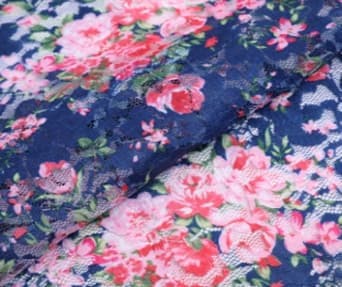
Lace Fabric can be made from a variety of materials, including cotton, polyester, nylon, rayon, silk, and spandex. Each material offers different characteristics such as softnes
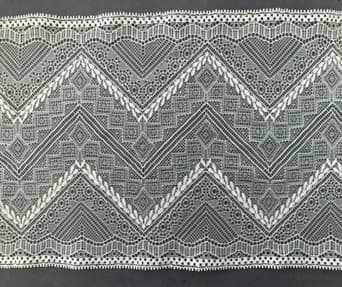
Corded lace is one of the most elegant and structurally rich types of lace used in fashion and textile design. It is widely applied in bridal gowns, evening dresses, lingerie, and decorative fabrics due to its raised outlines and three-dimensional texture. Unlike flat lace, corded lace is created by adding extra yarns or cords to emphasize floral or geometric patterns, making it more luxurious and visually striking.
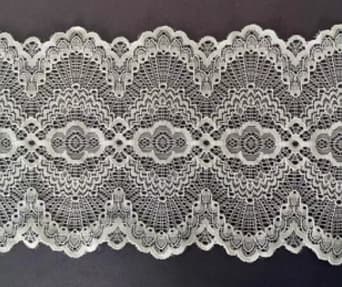
Corded lace is suitable for wedding dresses, evening gowns, blouses, skirts, lingerie, jackets, children's wear, and fashion accessories. Its raised embroidered patterns create a textured and elegant look that enhances both luxury and casual garments. Whether used as white lace or black corded lace fabric, it remains a versatile material widely used in modern fashion design.
Whatsapp: +86-137-1297-3009
Contact: Sophie Liao
Mailbox: sophie@chuanchencrafts.com
Add:Room 304, No.11, Jiaoyu Road, ZhangCun, Dongcheng Street, Dongguan City- 523112, China.

Wechat customer service
Copyright © 2026 Dongguan Chuanchen Craft Products Co., Ltd All rights reserved.