
Yes, corded lace can often be ironed, but the correct method depends on its fiber content, embroidery structure, and care instructions. Unlike ordinary flat fabrics, corded lace features raised decorative outlines that can lose their shape or become flattened under excessive heat and pressure. Whether you are caring for a wedding dress, a formal gown, or decorative Lace fabric, using gentle heat and suitable pressing techniques helps preserve the material's texture and appearance.
Before ironing corded lace fabric, identify the material composition and check the manufacturer's care label. Some designs tolerate low-temperature ironing, while others require steaming or professional care. Understanding how heat affects corded Embroidery Lace can help prevent damage and keep the decorative details looking their best.
1. Why Does Corded Lace Need Special Ironing Care?
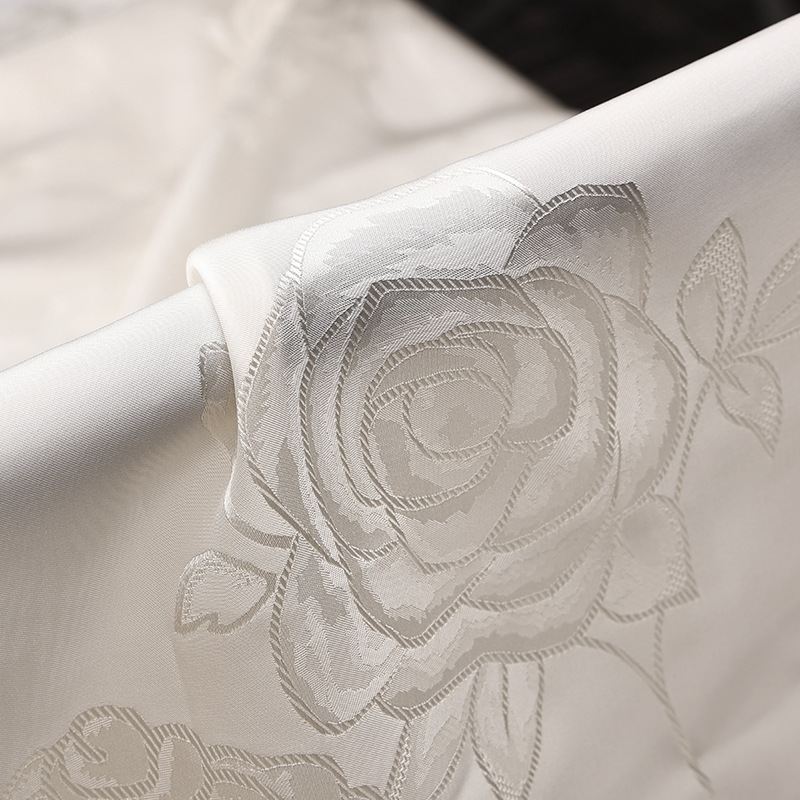
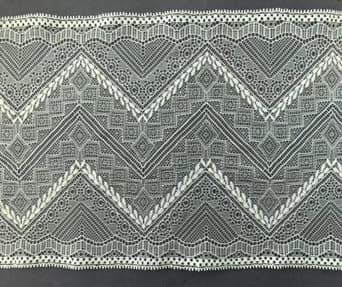
Corded lace is characterized by raised decorative cords incorporated into embroidered patterns. These cords create a three-dimensional appearance that distinguishes the material from flatter lace designs. Depending on the construction, the fabric may include a mesh background, embroidered floral motifs, and decorative threads made from different fibers.
The raised structure makes ironing more complicated than pressing ordinary fabric. Direct pressure can flatten the decorative outlines, while excessive heat may damage synthetic fibers or alter the appearance of delicate embroidery. Fine mesh backgrounds can also stretch, wrinkle, or become distorted when handled incorrectly.
Raised corded lace requires particular attention because its dimensional details are part of the design. Pressing directly on these areas may reduce their height and make the floral patterns look less defined.
Before choosing an ironing method, consider these factors:
Fiber composition: Polyester, cotton, nylon, and other fibers respond differently to heat.
Embroidery structure: Thick cords and dense stitching may require more protection than lightweight designs.
Mesh construction: Delicate or stretchy backgrounds can become distorted under pressure.
Garment design: A lace dress, bridal veil, and decorative trim may require different handling techniques.
2. Check the Care Label Before Ironing
The safest first step is to check the care label or ask the fabric manufacturer for specific instructions. The label may indicate whether ironing is permitted and provide a recommended temperature setting.
If the care instructions prohibit ironing, do not apply a hot iron directly to the fabric. If the label is missing, identify the fiber content when possible and test a suitable low-temperature method on an inconspicuous area or a spare fabric sample.
Remember that the decorative cords and the mesh background may not have identical heat resistance. A corded Lace Fabric made with synthetic fibers may be especially sensitive to high temperatures. Even when the base material tolerates heat, the raised embroidery may still require additional protection.
When the composition is unknown or the garment is valuable, such as an intricate wedding dress, professional garment care is generally the safer choice.
3. Prepare Corded Lace for Ironing
Proper preparation helps reduce the risk of snagging, stretching, and flattening the raised embroidery. Begin by placing the lace on a clean, flat surface and checking it for loose threads, damaged cords, or delicate decorative details.
Use the following preparation steps:
Read the care instructions and confirm that ironing is allowed.
Remove jewelry or accessories that could catch on the mesh.
Clean the ironing surface and ensure the iron's soleplate is free from residue.
Prepare a clean, smooth pressing cloth to separate the iron from the lace.
Set up a soft, clean pressing surface that supports the fabric without crushing its raised details.
Test the chosen temperature and technique on a fabric sample before treating the entire garment.
Do not pull the lace tight to remove wrinkles. Stretching the mesh can change the spacing between embroidered motifs and create uneven edges. Instead, arrange the fabric naturally and allow it to rest flat before pressing.
4. Use a Low-Temperature Ironing Method
If the care label permits ironing, start with the lowest suitable temperature setting. Avoid assuming that all corded lace materials can tolerate the same amount of heat.
Place a clean pressing cloth between the iron and the lace. This barrier helps reduce direct contact and protects the delicate surface from the hot soleplate. Whenever practical, press from the reverse side rather than directly on the decorative face.
Move the iron gently and avoid dragging it across the fabric. Use light, brief contact instead of prolonged pressure. The purpose is to relax the wrinkles, not flatten the embroidered cords.
For particularly textured corded floral lace, position the material over a soft pressing surface that accommodates the raised motifs. This can help prevent the decorative outlines from being compressed against a hard ironing board.
If the fabric begins to change texture, shine, shrink, or feel unusually stiff, stop immediately. Allow it to cool and reassess the care method before continuing.
5. Can You Use Steam on Corded Lace?
Steam may help relax wrinkles in some corded lace garments, but it is not automatically safe for every fabric. Heat-sensitive fibers, adhesives, and certain decorative finishes can react poorly to steam or moisture.
First, check the care label to determine whether steaming is permitted. If it is, test the method on a hidden area or spare sample. Keep the steamer at the distance recommended by its manufacturer and avoid saturating the lace.
When treating a hanging garment, support its weight so that the damp fabric does not stretch under gravity. Allow the lace to dry completely before storing it or placing it inside a garment bag.
Do not assume that a handheld steamer is safer than an iron in every situation. Some delicate corded embroidery lace may require professional treatment, particularly when it contains glued embellishments, beads, sequins, or mixed materials.
6. How to Remove Wrinkles Without Flattening Raised Details
The main challenge when ironing corded lace is smoothing the background while preserving the raised texture. A few simple practices can help achieve this balance.
Press from the reverse: This reduces direct contact with the decorative surface when the fabric construction allows it.
Use a pressing cloth: A clean protective layer helps prevent scorching and direct friction.
Apply minimal pressure: Let gentle heat do the work instead of pressing down firmly.
Work in small sections: Treat one area at a time so that you can monitor the fabric's response.
Support the embroidery: Use a suitable soft pressing surface to avoid crushing raised motifs.
Allow the fabric to cool: Leave the lace undisturbed before moving or hanging it.
For a bridal gown or other structured garment, avoid pressing directly across seams, darts, or heavily embroidered areas without checking how the layers underneath may react.
7. Common Ironing Mistakes to Avoid
Incorrect ironing techniques can permanently alter corded lace. The following mistakes are particularly important to avoid.
Using excessive heat
High temperatures may melt or distort some synthetic fibers, weaken delicate threads, and damage the mesh. Always follow the care label and begin with a conservative setting.
Pressing directly on raised embroidery
Heavy pressure can flatten the cords that give corded lace its distinctive appearance. Use a protective cloth and an appropriate pressing surface.
Dragging the iron across the fabric
Dragging can snag the lace or distort the embroidered pattern. Lift and reposition the iron gently when moving between sections.
Using steam without testing
Moisture may affect certain fibers, finishes, or adhesives. Confirm that steaming is suitable before applying it to the entire garment.
Storing the lace while damp
Moisture trapped in folded fabric can encourage odors and may affect delicate materials. Allow the lace to dry fully before storage.
8. How to Store Corded Lace After Ironing
Once the fabric has cooled and dried, store it in a way that protects the raised embroidery from crushing and snagging.
For loose fabric, use a clean storage area and avoid placing heavy objects on top of the lace. If folding is necessary, use soft tissue suitable for delicate textiles to reduce sharp creases. For wedding dresses and other structured garments, follow the manufacturer's recommended hanging or preservation method.
Keep corded lace away from rough surfaces, sharp accessories, and objects that could catch on the mesh. Periodically check stored garments for pressure marks, loose threads, and other signs of damage.
Frequently Asked Questions
Can corded lace be ironed directly?
Direct ironing is generally not recommended because heat and pressure can flatten the raised cords or damage delicate fibers. If ironing is permitted, use a protective pressing cloth and a suitable low-temperature setting.
Can I iron corded lace with a regular household iron?
Yes, if the care instructions allow it and the iron can be set to an appropriate temperature. Test the method on a spare sample and avoid pressing directly on prominent embroidery.
Can corded floral lace be steamed instead of ironed?
Sometimes. Steaming may relax wrinkles without direct soleplate contact, but its suitability depends on the fibers, finishes, and garment construction. Check the care label before steaming.
How do I remove deep wrinkles from corded lace?
Start with the gentlest method permitted by the care instructions. Avoid increasing heat or pressure simply because a wrinkle remains. For valuable garments or stubborn creases, consult a professional cleaner experienced with delicate lace.
Conclusion
Corded lace can often be ironed when the fabric's care instructions permit it, but the process requires gentle handling. Check the fiber content, test the method first, use suitable low heat and a pressing cloth, and avoid flattening the raised embroidery. When the material is particularly delicate or the garment is valuable, professional care can help preserve its texture, structure, and appearance.