Home Textile fabrics go through a series of carefully controlled manufacturing processes before they become curtains, bedding, pillowcases, upholstery covers, tablecloths, and other household products. From fiber selection and yarn production to weaving, dyeing, finishing, and final inspection, every stage influences fabric softness, durability, appearance, dimensional stability, and suitability for its intended application. For overseas buyers, understanding how Home Textile fabrics are manufactured helps evaluate suppliers, compare product specifications, and maintain consistent quality across bulk orders.
Fiber selection establishes the fundamental performance characteristics of a home textile fabric. Cotton is widely used for bedding and other products requiring softness and breathability, while polyester offers good dimensional stability, abrasion resistance, and color retention. Linen provides a distinctive texture and natural appearance, whereas viscose can deliver a smooth hand feel and attractive drape. Blended fibers combine selected properties to balance comfort, durability, appearance, and production cost.
A professional home textile manufacturer evaluates more than the fiber name when developing a fabric. Fiber length, fineness, strength, moisture content, and uniformity all affect subsequent processing. For example, variations in cotton fiber length can influence yarn strength and surface hairiness. Excessive impurities or inconsistent fiber characteristics may lead to uneven dye absorption, visible defects, and inconsistent fabric appearance.
Fiber composition also affects the fabric's intended end use. Bedding fabrics require comfortable skin contact and reliable laundering performance, while curtains may prioritize light control, drape, colorfastness, and resistance to fading. Upholstery materials often require greater abrasion resistance and dimensional stability. Buyers should therefore confirm the fiber composition, intended application, and relevant performance requirements before approving a bulk production specification.
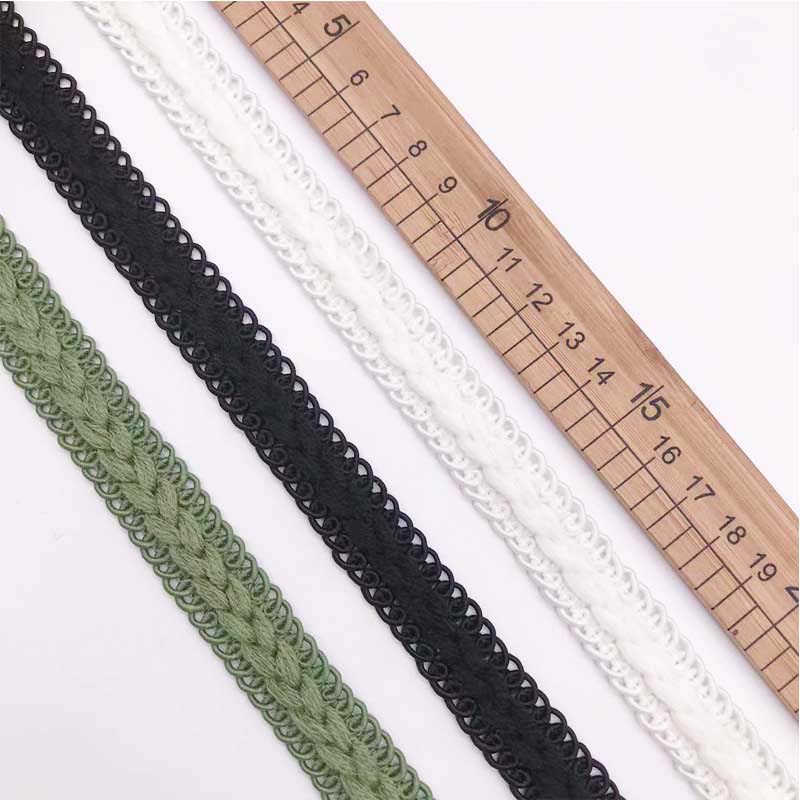
After fiber selection, textile mills prepare the raw material for spinning. For staple fibers such as cotton and polyester, opening and blending separate compressed fiber masses and distribute the fibers more evenly. Cleaning removes dust, seed fragments, and other impurities, while blending helps maintain a consistent composition throughout the production batch. Inadequate cleaning or uneven blending can create weak points, shade variation, and differences in fabric texture.
Carding then separates and aligns the fibers into a relatively uniform web, which is consolidated into a sliver. Depending on the required yarn quality, combing may be introduced to remove shorter fibers and additional impurities. Combed yarn generally offers improved uniformity and a smoother surface, making it suitable for premium bedding and other home textile products where appearance and tactile quality are important.
During drawing and spinning, the fibers are further aligned and twisted into yarn. Yarn count, twist level, strength, and evenness influence the finished fabric's thickness, softness, durability, and surface appearance. Higher twist can improve yarn cohesion and strength but may also produce a firmer hand feel. Excessive yarn irregularity can create streaks, weak areas, and uneven dye uptake.
Quality control at this stage commonly includes yarn count verification, tensile strength testing, evenness analysis, and checks for excessive hairiness or thick and thin places. A home textile factory that maintains stable spinning conditions can reduce downstream weaving defects and improve consistency between production lots.
Yarn is converted into fabric primarily through weaving or knitting. Woven fabrics are formed by interlacing warp yarns running lengthwise with weft yarns running across the width. Plain, twill, and satin constructions create different combinations of stability, surface texture, drape, and appearance. Plain weave provides a relatively balanced and stable structure, while satin weave creates a smoother surface through longer yarn floats. Twill can offer a distinctive diagonal texture and useful durability characteristics.
Before weaving, warp yarns are arranged and prepared through processes such as warping and, where required, sizing. Sizing applies a protective coating that reduces friction and yarn breakage during weaving. Incorrect sizing concentration or poor removal during later processing can affect fabric handle, absorbency, and dyeing performance. During weaving, loom speed, yarn tension, warp density, and weft insertion must remain within suitable operating ranges. Excessive tension or inconsistent yarn feeding may cause broken ends, missing picks, fabric distortion, or uneven density.
Knitted fabrics are formed by interlooping yarns rather than interlacing perpendicular yarn systems. Their loop structure generally provides greater stretch and flexibility, making them suitable for fitted sheets, blankets, cushion covers, and selected upholstery applications. However, loop formation also creates specific challenges involving dimensional stability, spirality, and shrinkage.
At this stage, inspection focuses on fabric width, construction density, surface defects, and structural consistency. Greige fabric, which has not yet undergone full finishing, should be checked for holes, broken yarns, uneven construction, and other defects before expensive dyeing or finishing operations begin.
Greige fabric often contains natural waxes, oils, sizing agents, and processing residues that interfere with wet processing. Pretreatment prepares the material for uniform dyeing and finishing. Depending on the fiber composition, this may involve desizing, scouring, bleaching, or other cleaning operations. Cotton Fabrics, for example, commonly require effective scouring to remove natural impurities and improve absorbency.
If pretreatment is uneven, some areas may absorb dye more readily than others, producing patchy coloration or visible streaks. Excessive chemical concentration, unsuitable temperature, or prolonged treatment can also damage fibers and reduce strength. Polyester and blended fabrics may require different preparation conditions because their chemical and thermal properties differ from those of cotton.
Dyeing methods depend on the material, color requirements, order volume, and production equipment. Batch dyeing allows controlled treatment of defined fabric quantities, while continuous dyeing can support high-volume production. Printing is used when the design requires patterns, multiple colors, or localized decoration. In each case, dye concentration, liquor ratio, temperature, pH, processing time, and washing conditions can affect shade consistency and colorfastness.
A reliable home textile supplier should be able to explain how color standards are established and how production shades are compared with approved samples. Instrumental color measurement, such as spectrophotometer testing, helps assess color differences objectively. Additional tests may evaluate washing, rubbing, and light fastness according to the product's intended use and applicable customer requirements.
Finishing transforms dyed or printed fabric into a material with the required appearance, hand feel, width, and performance. Mechanical processes such as brushing, calendaring, compacting, and raising can change surface texture, smoothness, thickness, or dimensional stability. Chemical finishes may provide wrinkle resistance, softness, water repellency, or other properties when technically appropriate for the fiber and end use.
Heat setting is particularly important for many synthetic fabrics and blends because controlled thermal treatment helps stabilize the structure. Cotton fabrics may undergo resin finishing or other treatments when crease resistance is required, although the selected chemistry must be compatible with the required strength, absorbency, and skin-contact performance. Finishing conditions that are too aggressive can reduce tensile strength, alter the hand feel, or create unwanted surface changes.
Fabric width, weight, and dimensional stability should be monitored throughout finishing rather than checked only at the end. Overstretching fabric during drying or stenter processing can create excessive residual tension, increasing the risk of shrinkage after washing. Inconsistent finishing temperatures or moisture levels may also produce differences between the center and edges of the fabric.
For buyers sourcing finished home textile materials, the approved specification should define acceptable weight, width, color, hand feel, shrinkage, and functional performance. This makes it easier for a home textile manufacturer to translate a sample approval into repeatable bulk production.
Final inspection should verify that the fabric meets the agreed specification and performs reliably under its expected conditions of use. Visual inspection identifies weaving defects, stains, holes, uneven coloration, and finishing marks. Fabric weight and width measurements confirm that the delivered material matches the purchase requirements, while dimensional stability testing evaluates changes after washing or other specified treatments.
Mechanical tests may include tensile strength, tear strength, and abrasion resistance, depending on whether the material is intended for bedding, curtains, decorative fabrics, or upholstery. Colorfastness testing evaluates resistance to washing, rubbing, and light exposure. For products that will contact skin, buyers may also require chemical compliance documentation or testing under relevant market regulations and customer standards.
Test methods and acceptance limits should be agreed upon before production because requirements vary by product category, destination market, and intended use. A laboratory result is meaningful only when the test method, sample preparation, and acceptance criteria are clearly defined. Buyers should also distinguish between fabric-level testing and finished-product testing, as cutting, sewing, laundering, and garment or bedding construction can introduce additional variables.
Supplier evaluation should consider process control, traceability, production capacity, and communication as well as quoted price. Buyers can request technical specifications, material declarations, approved shade samples, inspection records, and reports for relevant performance tests. It is also useful to establish how the supplier manages nonconforming materials, replacement production, and changes in raw material sources.
A capable home textile factory should maintain traceability from incoming fiber or yarn through greige fabric, dyeing batches, finishing, and final inspection. This information helps identify the source of a defect and determine whether corrective action is required across other production lots. For repeat orders, retaining approved reference samples and recording critical process parameters can reduce unwanted differences in color, texture, and dimensions.
Working with experienced home textile manufacturers is particularly valuable when products involve custom colors, special finishes, blended fibers, or demanding dimensional requirements. Rather than assessing quality from a single sample, overseas buyers should evaluate whether the supplier can reproduce the approved specifications consistently at commercial production scale.

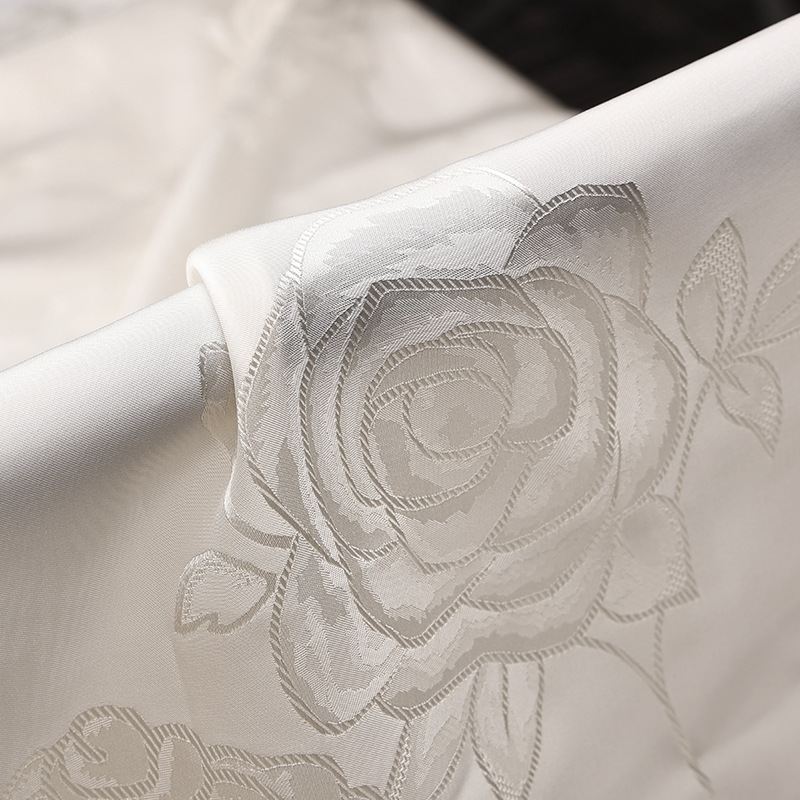
This fabric combines the smoothness and natural sheen of Mulberry Silk with the durability and versatility of Viscose, providing comfort and beauty for a variety of fashion applications.
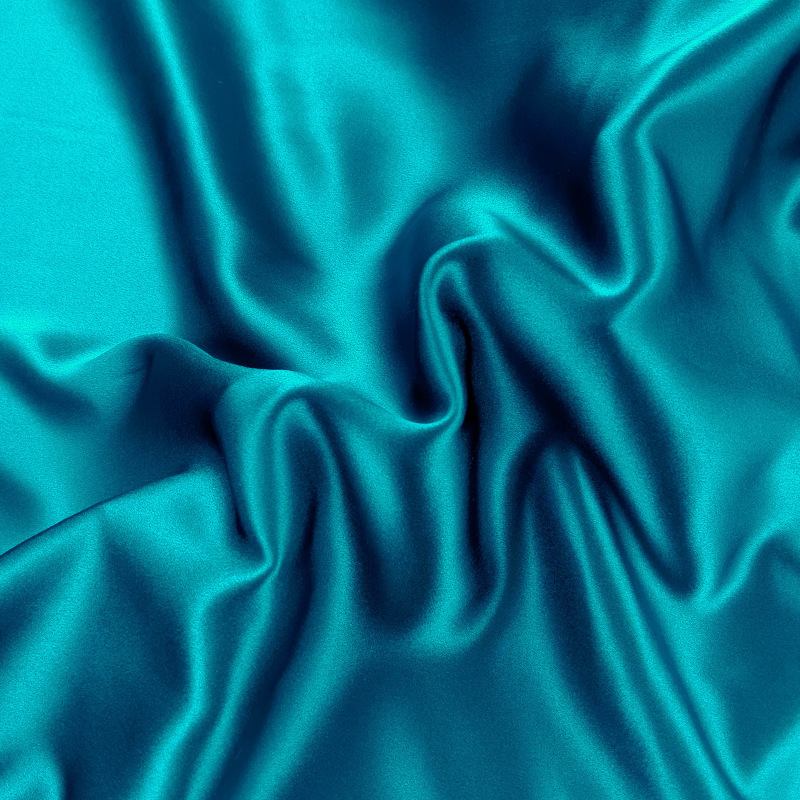
Used for all kinds of high-end silk bedding, such as silk four-piece sets, pillowcases, sheets, quilt covers, as well as silk scarves, summer pajamas, ladies' fashions and formal dresses, etc.
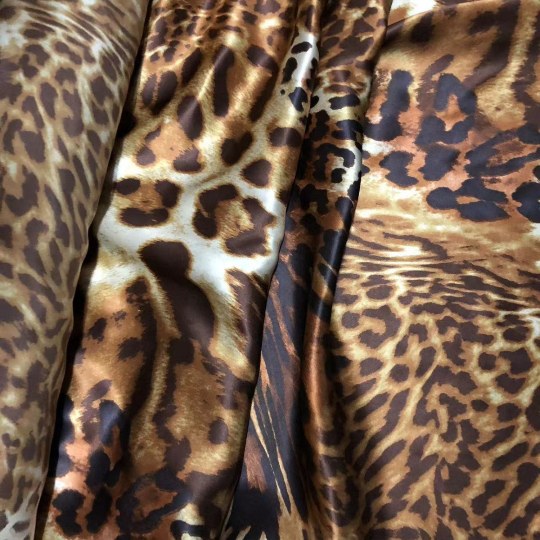
Leopard Jacquard Fabric is a luxurious and versatile textile characterized by its intricate woven patterns and elegant design.
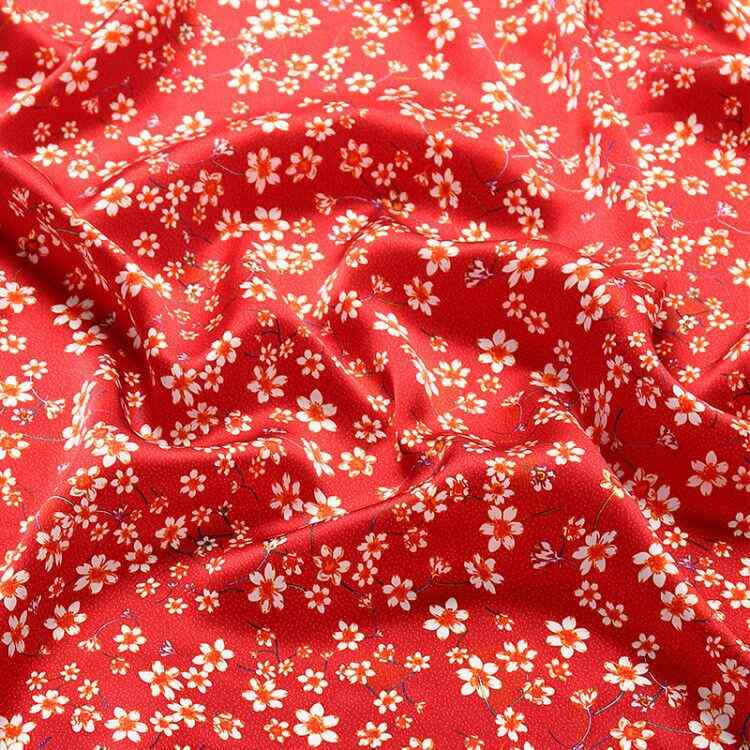
Floral Silk Fabric, crafted from Mulberry silk with a width of 140CM, a thickness of 16mm, and a weight of 68gsm, is ideal for creating elegant dresses, summer and spring outfits, luxurious sleepwear, and refined accessories like scarves and ties.
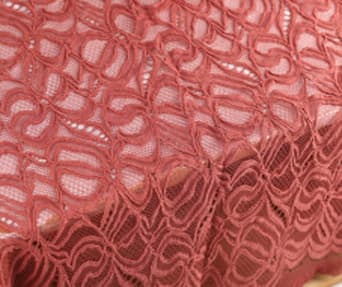
The best way to care for and wash Lace Fabric is to clean it gently using cold or lukewarm water and a mild detergent. Hand washing is recommended for delicate lace, while machine washing should only be done on a gentle cycle with the fabric placed inside
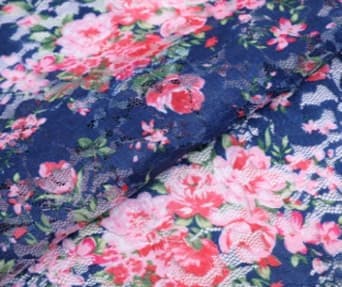
Lace Fabric can be made from a variety of materials, including cotton, polyester, nylon, rayon, silk, and spandex. Each material offers different characteristics such as softnes
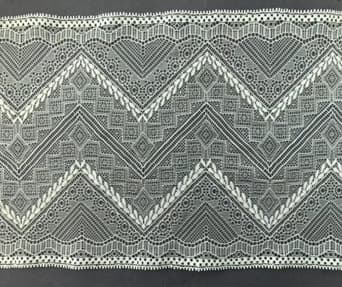
Corded lace is one of the most elegant and structurally rich types of lace used in fashion and textile design. It is widely applied in bridal gowns, evening dresses, lingerie, and decorative fabrics due to its raised outlines and three-dimensional texture. Unlike flat lace, corded lace is created by adding extra yarns or cords to emphasize floral or geometric patterns, making it more luxurious and visually striking.
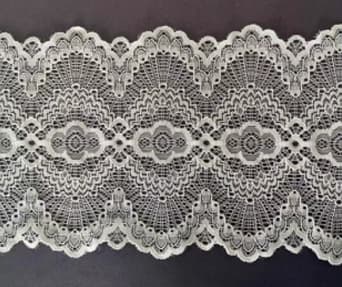
Corded lace is suitable for wedding dresses, evening gowns, blouses, skirts, lingerie, jackets, children's wear, and fashion accessories. Its raised embroidered patterns create a textured and elegant look that enhances both luxury and casual garments. Whether used as white lace or black corded lace fabric, it remains a versatile material widely used in modern fashion design.
Whatsapp: +86-137-1297-3009
Contact: Sophie Liao
Mailbox: sophie@chuanchencrafts.com
Add:Room 304, No.11, Jiaoyu Road, ZhangCun, Dongcheng Street, Dongguan City- 523112, China.

Wechat customer service
Copyright © 2026 Dongguan Chuanchen Craft Products Co., Ltd All rights reserved.